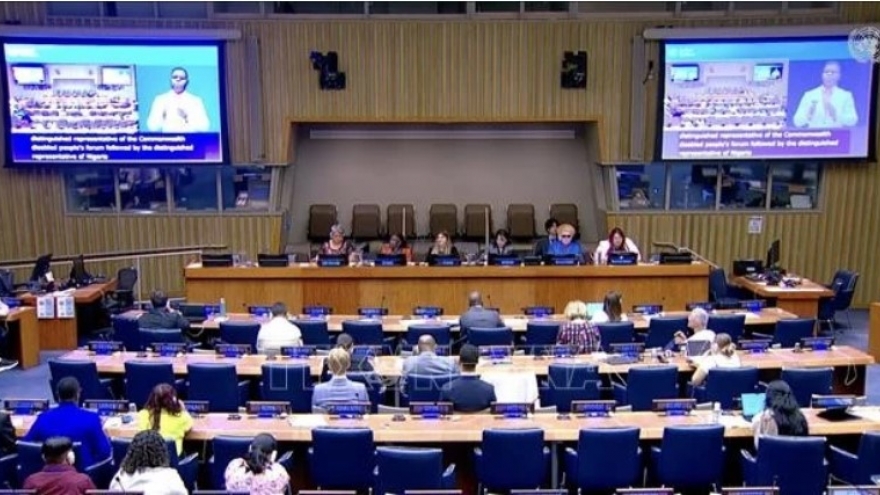
Party chief calls for disability policies centred on social inclusion, equality

VOV.VN - Policies for people with disabilities should shift from a healthcare-centred approach to a social-inclusion model, aiming to empower these people, expand opportunities, and reduce inequality, reflecting the Party and State’s commitment to human rights for all citizens, said Party General Secretarary.
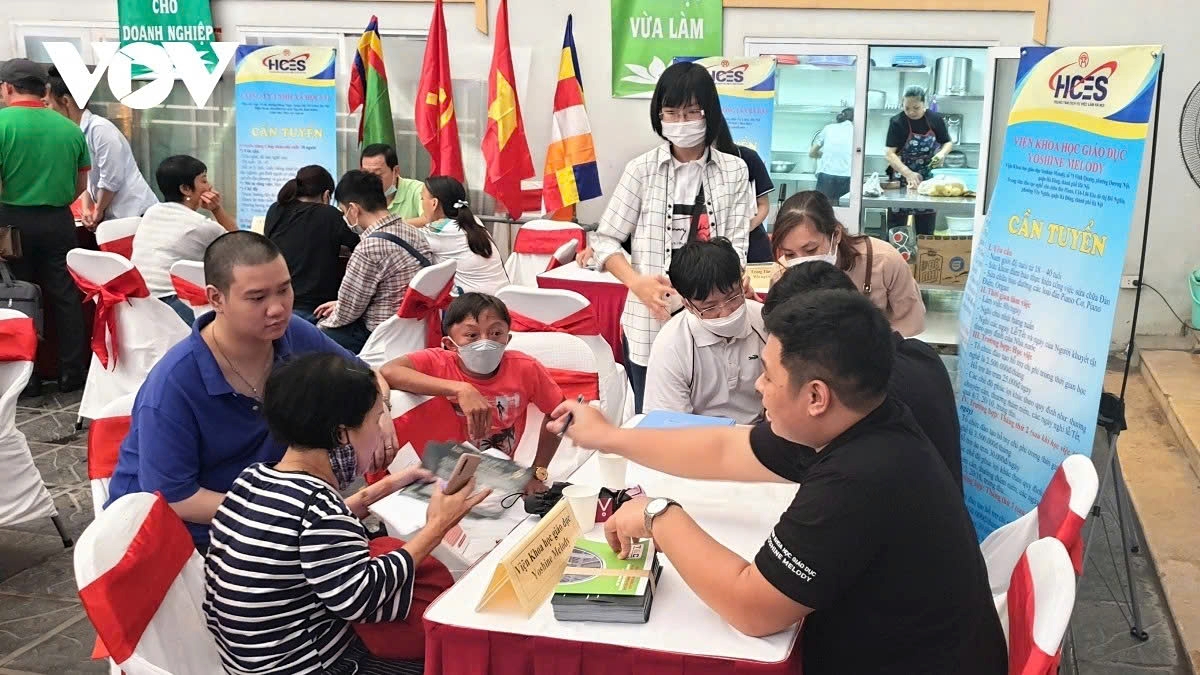
The conclusions were made following the December 3, 2025 meeting between the Party chief and representatives from the Government Party Committee and central ministries and agencies to review the implementation of policies for people with disabilities.
After receiving reports from the Ministry of Health and the Vietnam National Alliance for People with Disabilities, and input from other relevant agencies, To Lam issued comprehensive directives to enhance rights, living standards, and opportunities for social inclusion of people with disabilities.
The General Secretary stressed that people with disabilities are an inseparable part of the community and should be guaranteed opportunities to live, learn, work, and participate in society like all other citizens. Caring for people with disabilities is not only a moral and political responsibility but also a measure of a civilised society, a requirement for sustainable development, and an expression of the socialist regime’s humanistic values and the Party and State’s commitment to human rights.
He highlighted the importance of comprehensive measures to prevent new cases of disability, ranging from maternal and child health care, traffic and labour safety, disease prevention, environmental management, food safety, to safety in schools, residential areas, and workplaces. Early prevention reduces the burden on families and society while improving population quality and human resources.
Regarding policy, the Party leader directed a shift from health care to social-inclusion. This includes developing inclusive education, vocational training, preferential hiring policies, and expanding access to transport infrastructure, public facilities, and online public services. He also suggested promoting assistive technologies, alert systems, sign language translation software, and adaptive devices to enhance social participation, alongside livelihood support, housing, legal aid, and stable employment.
The General Secretary underscored that eliminating stereotypes, reducing inequality, and raising social awareness are essential. He specifically highlighted the needs of women and children with disabilities, the most vulnerable groups, and stressed that all future infrastructure, services, and policies must consider the needs of people with disabilities from the design stage with practical implementation timelines to ensure full social inclusion and improved quality of life.
The top leader also called on the private sector, social organisations, and communities to engage in supporting people with disabilities, from creating jobs and vocational training to promoting accessible products and services, ensuring that every person with a disability has the opportunity to participate and contribute to society.
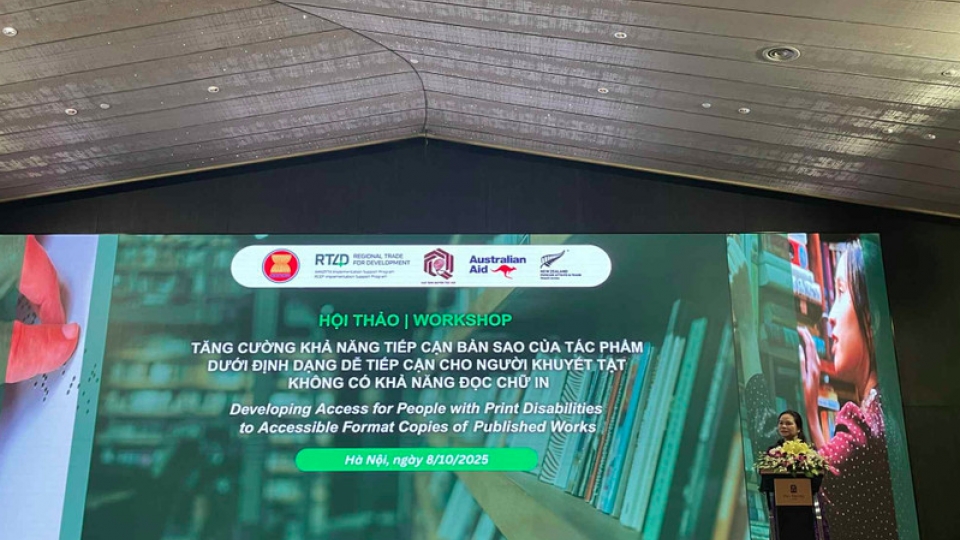
Workshop seeks to promote accessible formats for people with print disabilities
A workshop on improving access to accessible format copies of published works for people with print disabilities was held in Hanoi on October 8.