Party chief stresses grassroots officials’ role in effective policy implementation

VOV.VN - Party General Secretary To Lam chaired a working session with the Party Central Committee’s Organisation Commission in Hanoi on March 5 to discuss solutions to improve the quality of grassroots officials.
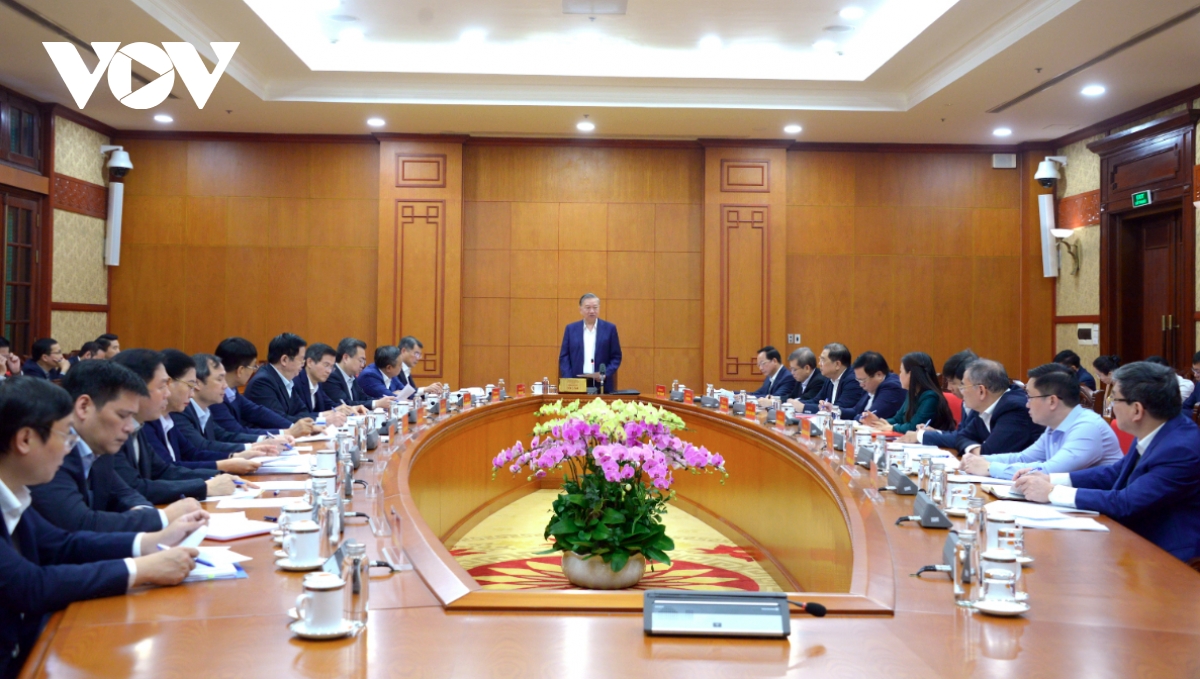
Speaking at the meeting, General Secretary To Lam emphasised that grassroots officials and the quality of their performance play a decisive role in ensuring policies are implemented accurately and effectively.
He noted that Vietnam is entering a new stage of development while accelerating decentralisation and delegation of authority to local levels. In this context, improving the quality and capacity of grassroots officials is crucial to the country’s overall development process.
The Party chief held that the entire political system must urgently implement comprehensive measures to enhance policy execution. This includes standardising grassroots officials to meet new governance requirements and building a comprehensive competency framework focusing on political integrity, public service performance, and professional development capacity.
Party committees at all levels must treat the improvement of the quality of grassroots officials as a key breakthrough to strengthen the leadership capacity and governing effectiveness of Party organisations, as well as the efficiency of local state administration, he requested.
He asked relevant authorities to develop competency frameworks for grassroots officials, review existing personnel, identify capacity gaps, and design training programmes accordingly. Pilot programmes should be implemented in various areas, including urban, rural, mountainous, border, and island regions, to refine evaluation criteria and training models before broader nationwide application.
Following the merger and restructuring of administrative units across Vietnam in summer 2025, grassroots officials have been facing a number of significant challenges.
The consolidation of localities has led to changes in organisational structures, resulting in overlapping responsibilities in some areas and either surplus or shortages of personnel in certain positions. At the same time, the workload for many grassroots officials has increased as the newly merged administrative units now cover larger territories and serve bigger populations.
In addition, some officials have had to adapt to new working environments, including longer commuting distances or adjustments to their professional responsibilities. These transitional changes may affect the efficiency of public service delivery during the restructuring period.
Experts say that addressing these challenges will require further reviews of job positions based on actual capacity, along with improved training and capacity-building programmes for grassroots officials in public administration and governance.
They also recommend accelerating the application of digital technologies and administrative reforms to help reduce workloads while improving the efficiency and quality of public services provided to citizens.
No further mergers of provincial, commune-level units planned: official
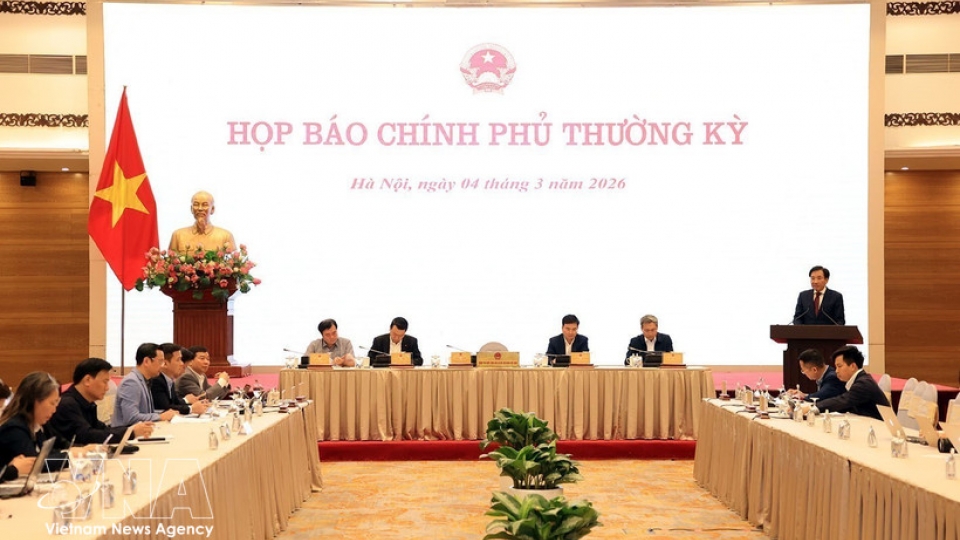
No plans are in place for further rearrangement or merger of provinces, cities or commune-level administrative units, an official from the Ministry of Home Affairs (MoHA) confirmed at the Government’s regular press briefing on March 4.