New challenges in safeguarding Party ideology in Vietnam’s digital era

VOV.VN - As Vietnam is entering a new phase of development, often referred to as the “era of national rise”, efforts to safeguard the ideological foundation of the Communist Party of Vietnam are facing new requirements in terms of awareness, implementation methods, and adaptability to the digital environment.
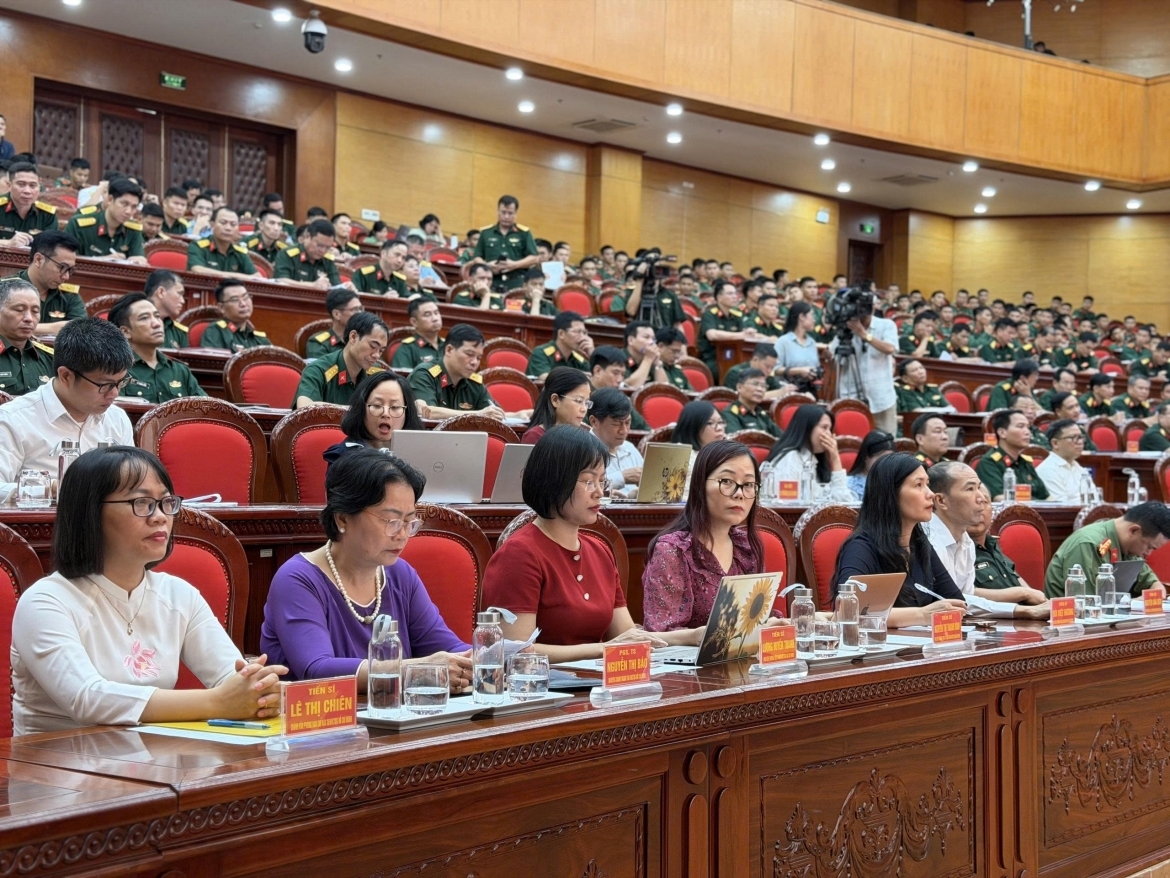
This was emphasised by delegates at a seminar titled “New Theoretical and Practical Issues in the Era of National Rise and Orientations for Safeguarding the Party’s Ideological Foundation and Countering Wrong and Hostile Views”, co-organised on May 25 by the Steering Committee 35 in coordination with the Ho Chi Minh National Academy of Politics and the Political Officer Training School.
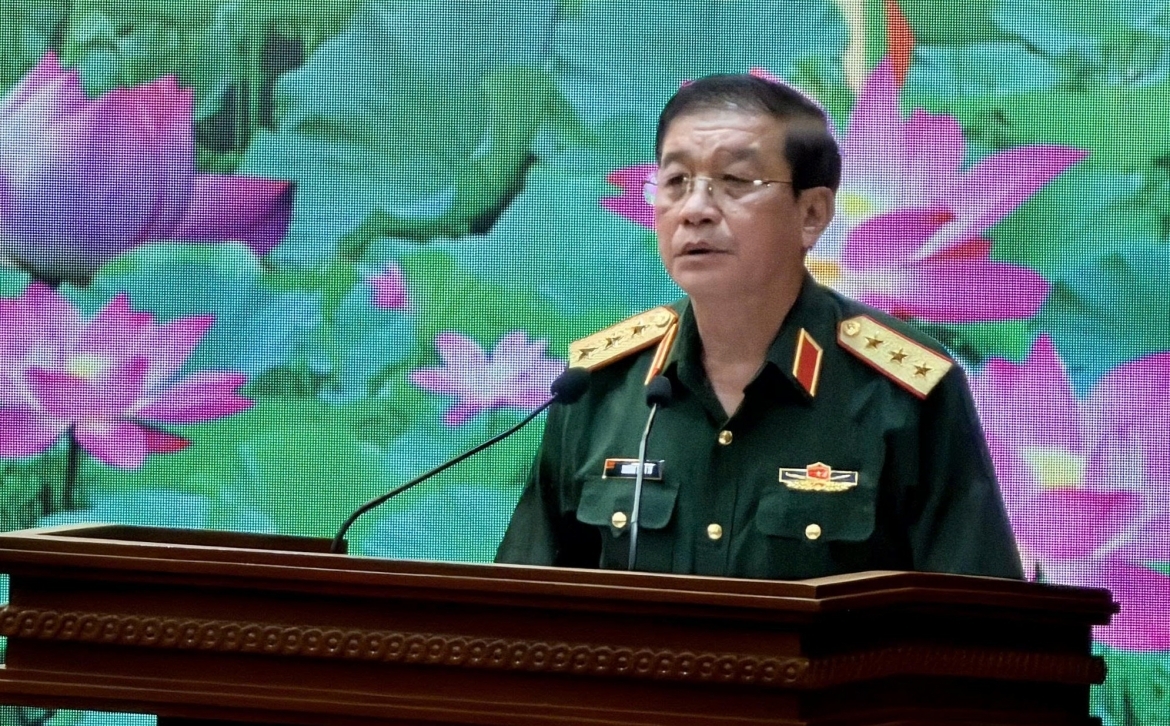
Speaking at the seminar, Lieutenant General Truong Thien To, deputy chief of the General Department of Politics of the Vietnam People’s Army, noted that Vietnam is entering a new development era that not only requires strengthening its global position but also proactively defining its role in an increasingly complex and shifting global order. According to him, the “era of national rise” is not solely about economic growth, but also encompasses cultural development, political resilience, and steadfast protection of core national values.
However, alongside significant opportunities, the development process also presents numerous new challenges for ideological and theoretical work. The rapid advancement of science and technology, innovation, digital transformation, and the dual impacts of cyberspace are profoundly reshaping the information environment and social life. Internal development issues, combined with complex global fluctuations, require a systematic, scientific, and context-adapted approach to safeguarding the Party’s ideological foundation.
Lieut. Gen. To also warned that hostile, reactionary, and opportunistic forces continue to intensify “peaceful evolution” strategies, exploiting sensitive social issues and development challenges to distort and deny the Party’s ideological foundation. Notably, such activities are no longer limited to direct confrontation but are increasingly shifting toward “soft infiltration” and “deep penetration” through social media and cyberspace, aiming to distort information, incite skepticism, foster internal division, and gradually promote “self-evolution” and “self-transformation.”
In this new era of development, safeguarding the Party’s ideological foundation is not merely a routine task but a matter of vital importance to political stability, Party strength, and the country’s sustainable development, he stressed.
At the seminar, delegates also clarified the theoretical and practical foundations that define Vietnam’s entry into the “era of national rise.” Many emphasised that this stage of development is guided by the principle of the “four steadfast commitments,” promoting the combined strength of national unity and the strength of the times; taking science and technology, innovation, and digital transformation as key drivers; and placing people at the center, as both the subject and objective of development.
Presentations also analysed opportunities and challenges facing Vietnam amid strategic competition among major powers, global economic volatility, non-traditional security issues, and rapid technological advancement. Accordingly, many proposed linking the task of safeguarding the Party’s ideological foundation with Party building and rectification efforts, strengthening public trust, and improving institutions, policies, and legal frameworks to meet development requirements in the new period.
Concluding the seminar, Assoc. Prof. Dr. Le Hai Binh, Permanent Vice President of the Ho Chi Minh National Academy of Politics, called for further enhancing awareness of the roles and responsibilities of relevant forces in countering wrongful and hostile viewpoints. He also urged stronger socialisation efforts, wider dissemination of seminar research outputs through media and journalism, and the integration of findings into political theory training programs across academies, schools, and armed forces.
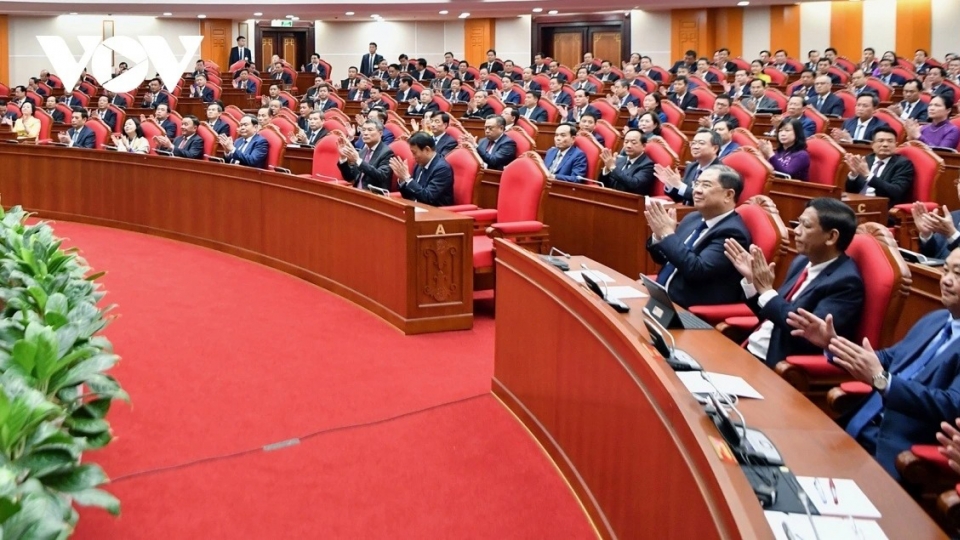
Ideological reform linked to anti-corruption push in new governance drive
VOV.VN - Vietnam is stepping up efforts to reform its ideological work in tandem with strengthening anti-corruption and waste prevention measures, as part of a broader push to improve governance efficiency and public trust.