HCM City unveils 12 key milestones marking transformative year in 2025

1. Boundary expansion and two-tier local government model
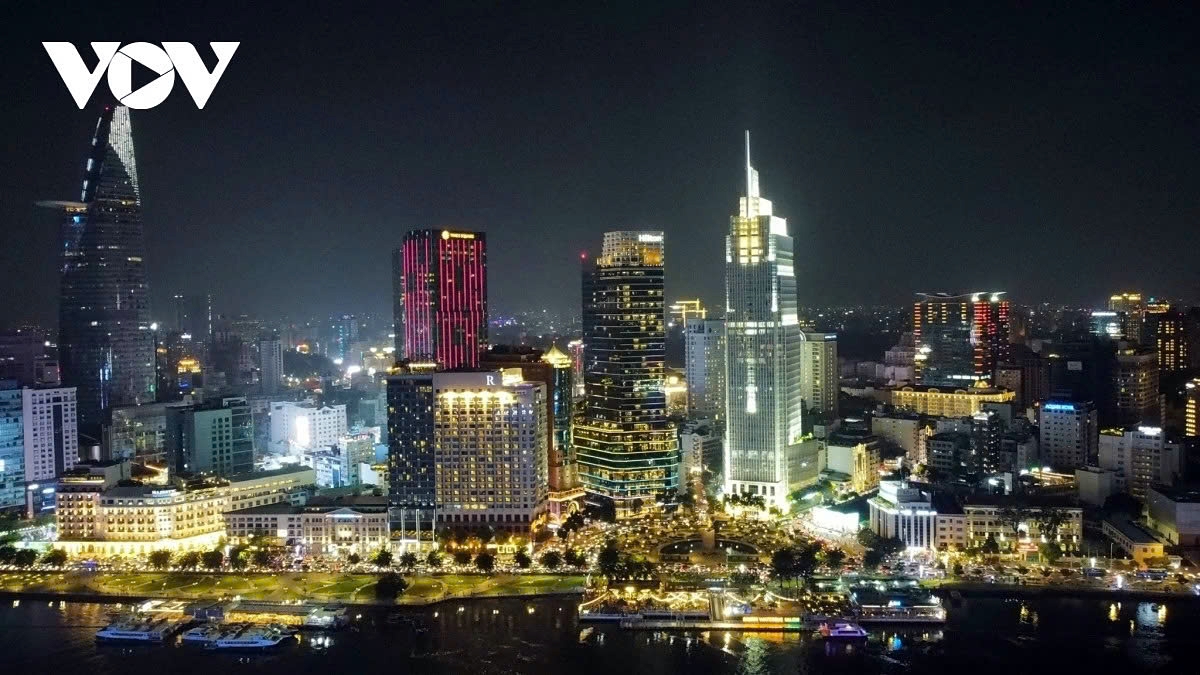
From July 1, 2025, Ho Chi Minh City officially merged with Binh Duong and Ba Ria–Vung Tau provinces and began implementing a two-tier local government model, marking a significant step in reshaping development space, urban governance and regional connectivity.
Following the merger, the expanded city covers more than 6,772 square kilometres and has a population exceeding 14 million. Authorities said the new structure is designed around a development framework of “three zones, one special administrative area, three corridors and five pillars”.
Under the plan, Binh Duong is positioned as a high-tech industrial hub, while Ba Ria–Vung Tau is designated as a centre for the marine economy, logistics and coastal tourism. The former core area of Ho Chi Minh City will function as a central urban hub for services, finance and high technology, while Con Dao is planned as a special zone for sustainable and green island tourism.
City officials said the reorganisation of development space, combined with reforms to the local governance model, is a strategic move aimed at laying the foundation for Ho Chi Minh City to become a modern metropolis with a stronger regional and global profile.
2. 50 years of Southern Liberation and National Reunification
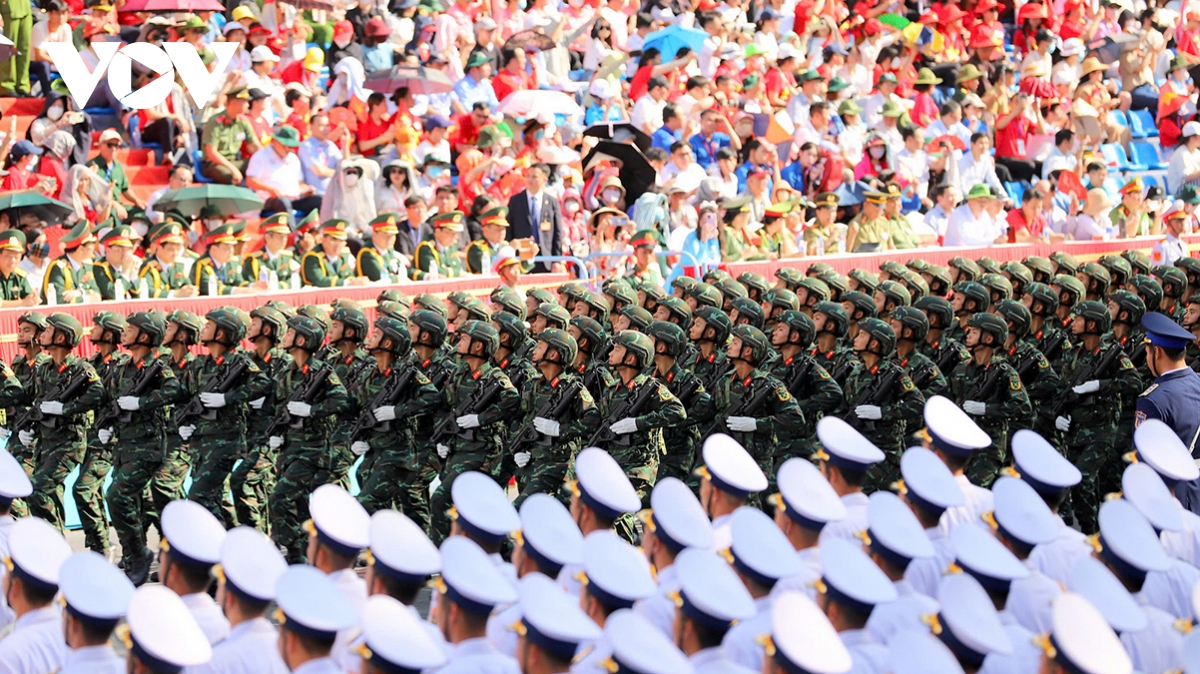
In 2025, Ho Chi Minh City and Vietnam marked the 50th anniversary of the Liberation of the South and National Reunification (April 30, 1975 – April 30, 2025) with nationwide commemorative events organised by central authorities and the city government.
The celebrations featured a wide range of cultural, artistic and sporting activities held across central Ho Chi Minh City. A military parade and mass march on April 30 served as the centrepiece, drawing large public participation and forming the largest national celebration held in the city since 1975.
Authorities said the event was notable not only for its scale but also for its success in organisation, security and public safety, while generating strong public sentiment of pride, unity and aspirations for development.
3. First Party Congress for 2025–2030 term after administrative merger
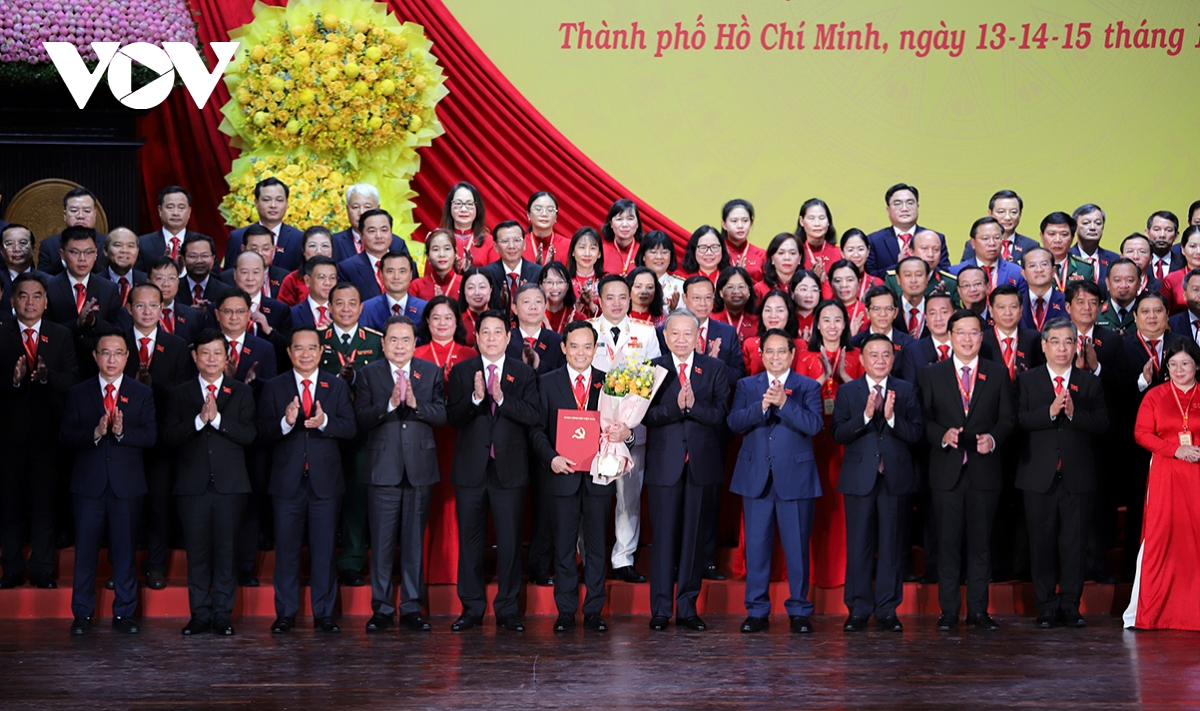
Ho Chi Minh City held its first Party Congress for the 2025–2030 term from October 13 to 15, marking a milestone event following the city’s recent administrative merger, expansion of development space and implementation of a two-tier local government model.
The congress approved 30 key development targets for the 2025–2030 period, including average annual GRDP growth of 10–11%, GRDP per capita of between US$14,000 - 15,000, and the digital economy accounting for 30–40% of total GRDP. Targets were also set for healthcare, education, social housing and social welfare.
Delegates also endorsed three breakthrough programmes focusing on institutional and policy reform, infrastructure development and human resource development, which city leaders said would form the foundation for Ho Chi Minh City’s rapid and sustainable growth in the new development phase.
4. New Resolution to spur Ho Chi Minh City growth
Ho Chi Minh City has moved swiftly to implement the National Assembly’s Resolution 260, which replaces Resolution 98, a decisive institutional boost for the city’s development in the next phase.
The resolution marks a shift from a pilot-based approach to one that grants broader autonomy and greater accountability, providing what officials have called an enhanced legal corridor for growth.
Under the framework, Ho Chi Minh City is authorised to develop a free trade zone featuring a “one-stop, on-site” administrative mechanism, alongside an international financial centre integrated with a regulatory sandbox for fintech activities.
The resolution also addresses long-standing infrastructure bottlenecks through a transit-oriented development (TOD) model, allowing the city to retain 100% of revenue from land funds surrounding metro stations and the Ring Road 3 project for reinvestment.
5. Social welfare initiatives benefitting locals
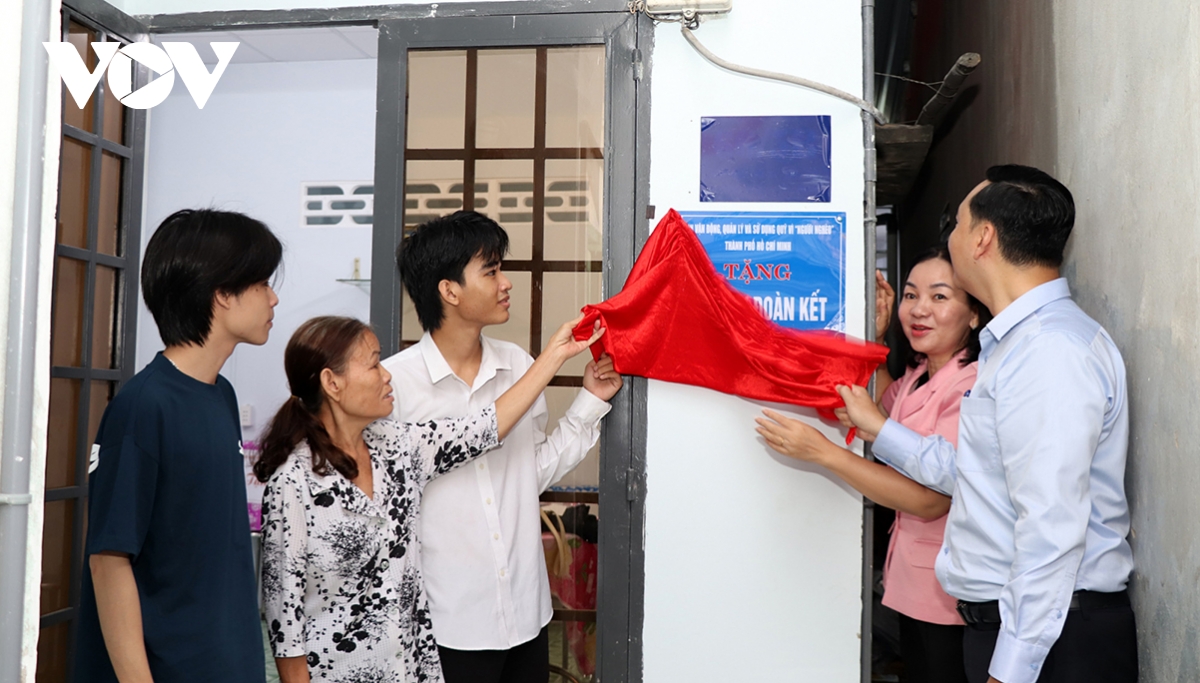
Ho Chi Minh City has continued to promote national unity and social solidarity through a wide range of social welfare initiatives, underscoring the city’s long-standing spirit of compassion and shared responsibility.
A series of programmes mobilised more than VND84 billion to support livelihoods and delivered 367,036 Lunar New Year gift packages worth over VND265 billion to residents across the city.
Authorities also reported the construction and repair of 899 “great unity” houses and the establishment of 1,680 community-based residential areas focused on solidarity, mutual support and self-governance, strengthening cohesion at the grassroots level.
A major milestone was reached on Sept. 1, 2025, when the national power grid was extended to Con Dao Special Zone ahead of schedule, providing stable electricity supply for around 12,000 residents.
6. Strong economic growth
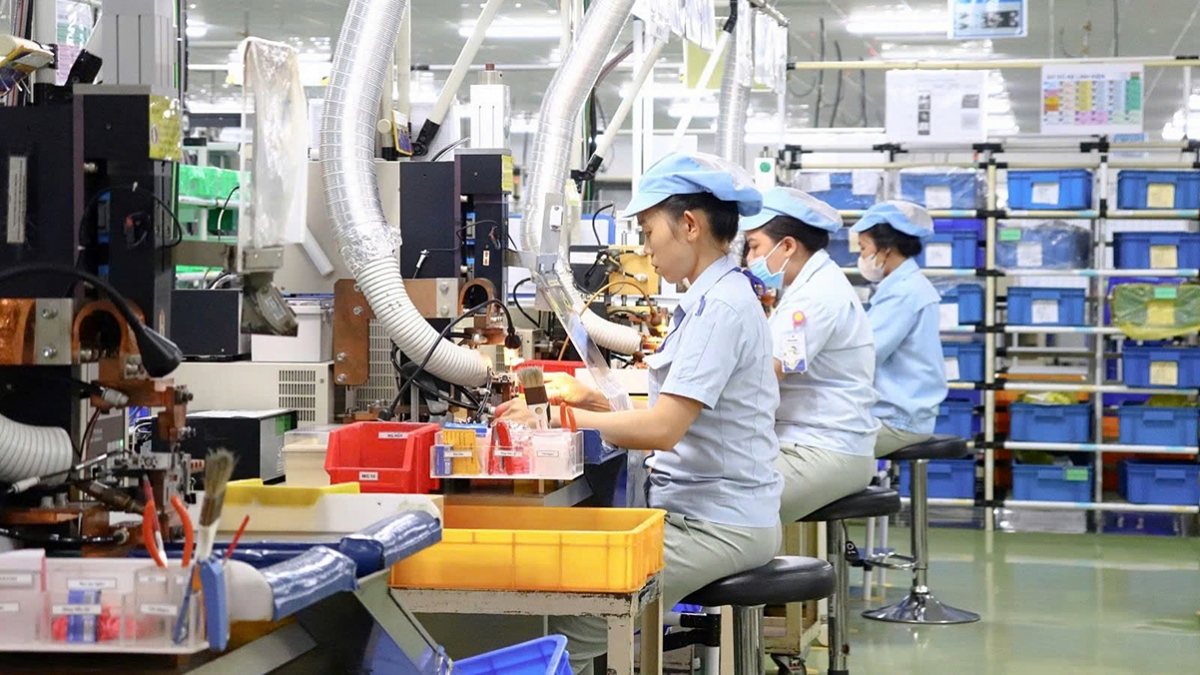
Ho Chi Minh City posted robust economic growth in 2025, reinforcing its position as Vietnam’s leading economic hub, according to official data released by local authorities.
The city recorded a GRDP growth rate of 8.3%, with total economic output estimated at VND3.03 quadrillion, accounting for approximately 23.5% of the national GDP. GRDP per capita reached about VND220 million, around 1.7 times the national average.
State budget revenue totalled VND746.4 trillion, exceeding the annual target by 9.3% and contributing roughly one third of the country’s total budget revenue, underscoring the city’s fiscal significance.
Economic momentum was further reflected in the establishment of nearly 60,000 new businesses and foreign direct investment inflows of about US$8.9 billion. The International Financial Centre was established under a “one centre, two destinations” model, along with the launch of its executive authority in the city.
Tourism emerged as a key growth driver, generating an estimated VND260 trillion in revenue, while a strong rebound in industrial production helped lay a solid foundation for the city’s ambition to achieve GRDP growth of over 10% in 2026.
7. Major infrastructure projects underway
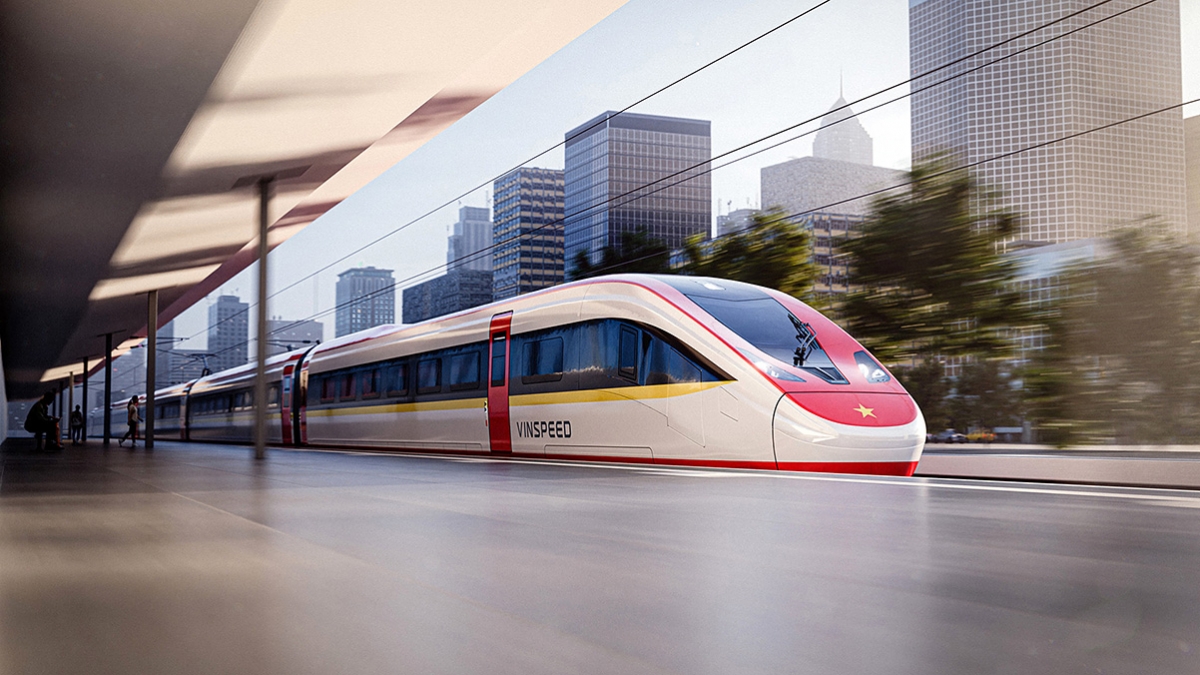
Ho Chi Minh City marked a major milestone in infrastructure development in 2025 by breaking ground on the Ben Thanh–Can Gio high-speed railway, Vietnam’s first high-speed rail project with direct private sector investment. The project, invested by Vinspeed, represents a concrete implementation of the Politburo’s Resolution 68-NQ/TW on promoting private sector participation in strategic infrastructure.
Notably, all administrative procedures for the railway project were completed within just two months, compared with the usual two-year timeline, highlighting the city’s push for administrative reform and its commitment to reducing delays that hinder investment opportunities.
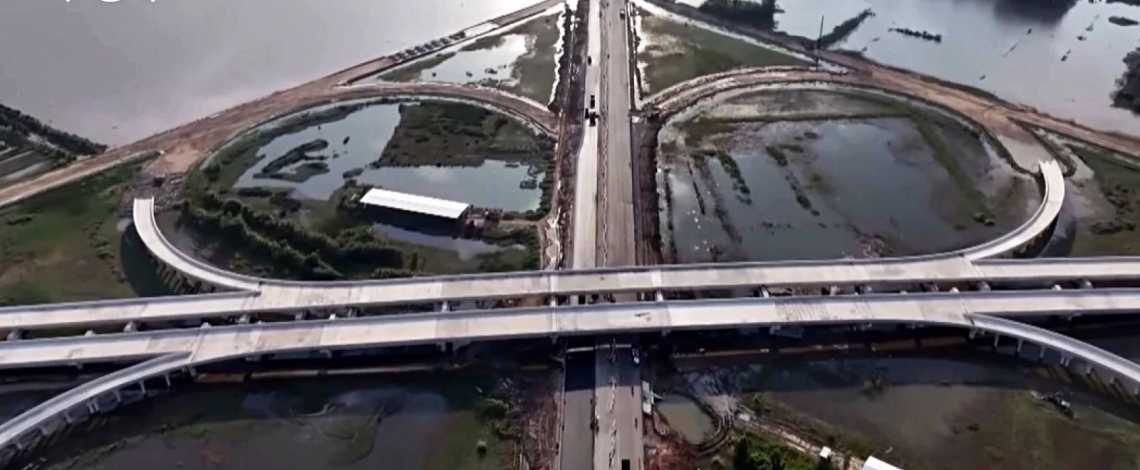
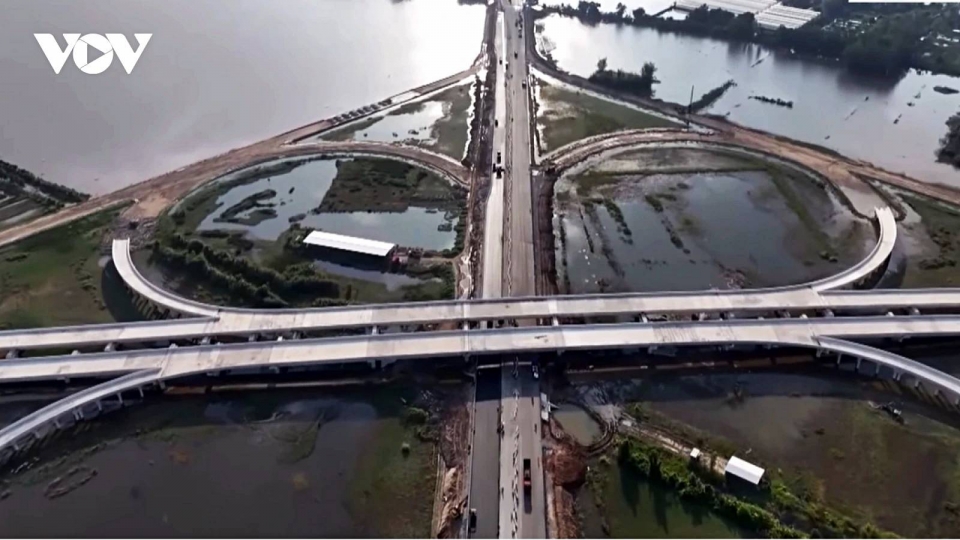
Alongside the rail project, the city has simultaneously advanced a series of major infrastructure initiatives, including the Can Gio sea reclamation urban area, the Ho Chi Minh City–Moc Bai expressway, Metro Line No.2, and Section 3 of Ring Road No.2.
Preparatory work is also progressing rapidly for a new wave of large-scale projects scheduled to commence in early 2026, such as Phu My 2 Bridge, Can Gio Bridge, the Rach Chiec Sports Complex, the Can Gio–Vung Tau sea-crossing road, expanded metro lines, and the full completion of Ring Road No.3.
8. Tourism rebounding as spearhead economic sector
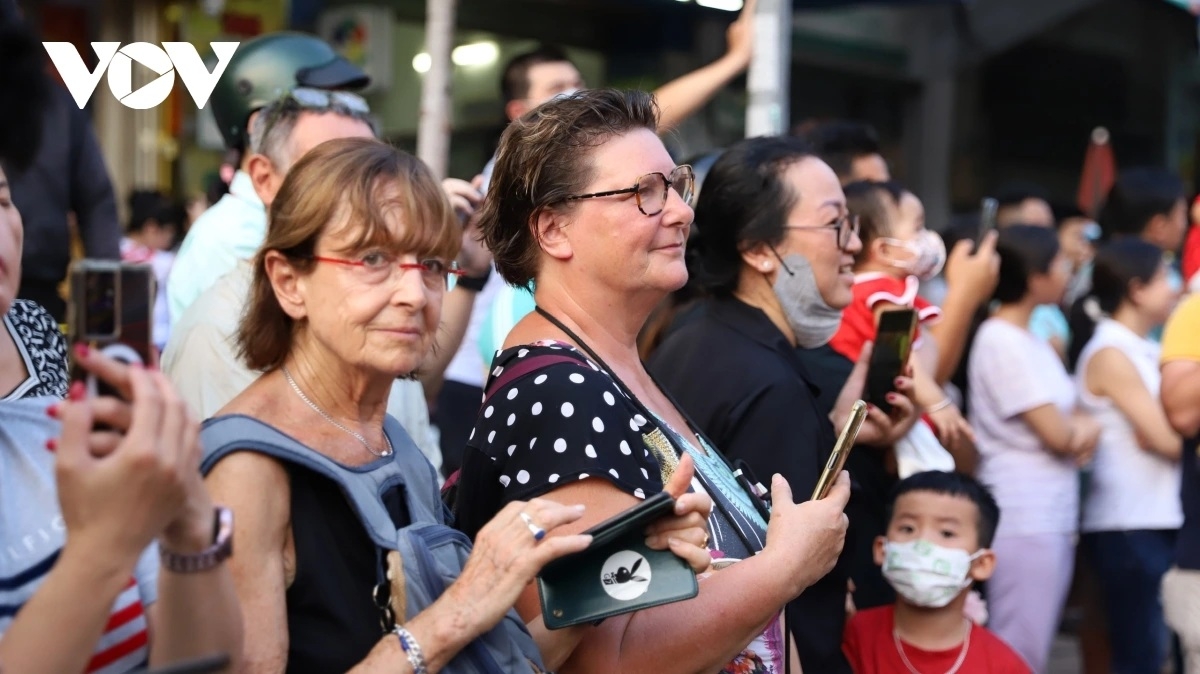
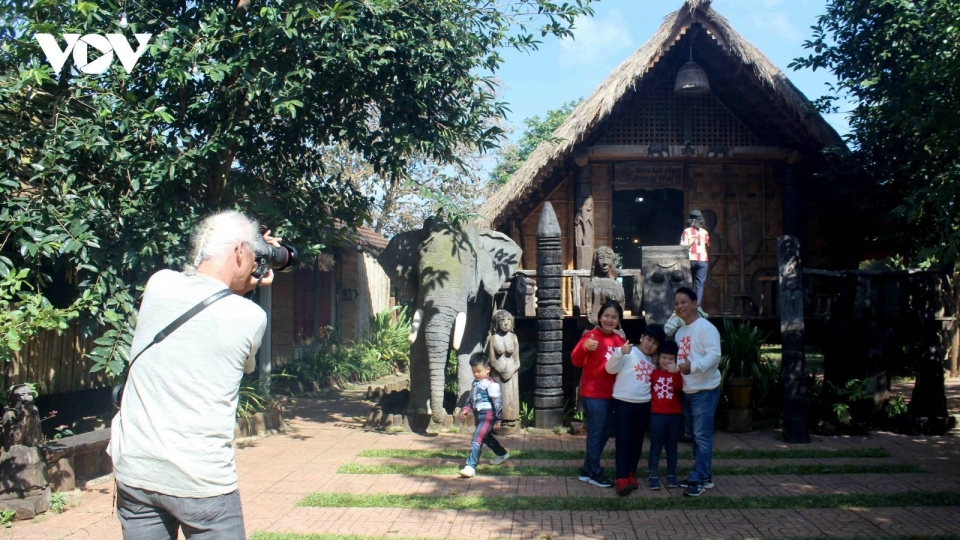
The local tourism sector recorded a strong rebound and broad-based growth in 2025, reinforcing the city’s position as one of Southeast Asia’s leading travel and events destinations.
International arrivals rose sharply to 8.5 million visitors in 2025, up from 6.1 million a year earlier, generating tourism revenue of approximately VND260 trillion (US$10.2 billion). The figure accounted for more than one-third of Vietnam’s total tourism revenue, according to city authorities.
Tourism has also emerged as a key fiscal pillar, contributing nearly one-third of the city’s state budget revenue, underscoring the sector’s role as a core driver of the service-based economy.
The city pioneered an “event-within-an-event” model through its International Economic and Tourism Week, integrating major platforms such as the International Travel Expo Ho Chi Minh City (ITE HCMC), the 12th TPO General Assembly, the Supply Chain Connectivity Exhibition and the Export Forum.
ITE HCMC continued to receive international recognition as “Asia’s Leading MICE Trade Show,” while awards from the World Travel Awards further strengthened Ho Chi Minh City’s image as a dynamic, innovative and highly competitive regional hub for tourism and international events.
9. Sci-tech, innovation, digital transformation accelerated
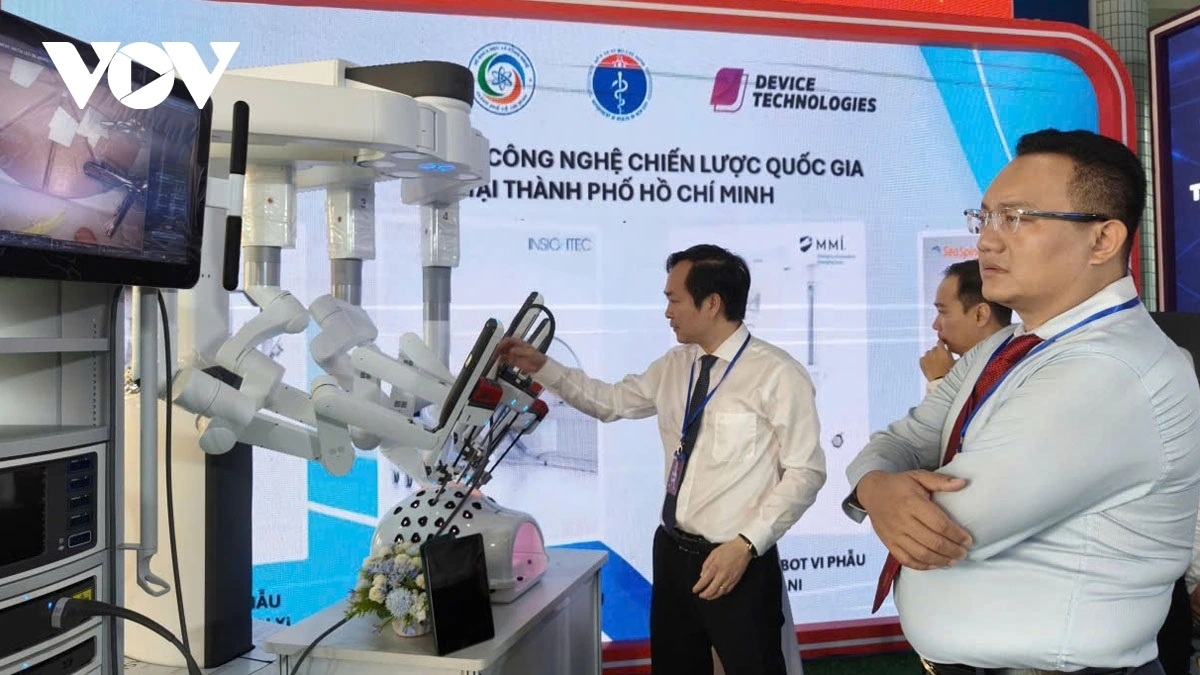
Ho Chi Minh City marked a strategic shift in 2025 as science, technology and innovation emerged as the city’s primary growth drivers, contributing an estimated 59% to overall GRDP growth.
The city’s startup ecosystem consolidated its position as Vietnam’s national hub, accounting for more than 50% of startups nationwide and reaching a total valuation of US$5.2 billion. The city ranked third in Southeast Asia and 110th among the world’s 1,000 most dynamic startup ecosystems.
Global tech giants such as NVIDIA, Qualcomm and Siemens have selected the city as a location for research and development centres, underscoring its growing appeal as a regional innovation hub.
In health care, digital transformation accelerated with 99% of hospitals adopting electronic medical records, while 2.9 million electronic health records were integrated into Vietnam’s national digital identity platform (VNeID). Artificial intelligence applications are now being deployed in medical imaging diagnostics at major tertiary hospitals.
Education has also undergone rapid digitalisation, with the widespread rollout of “digital schools” and “borderless classrooms.” These models have enabled international connectivity while extending access to students in remote and mountainous provinces such as Lao Cai and Dien Bien.
The deployment of smart robots and self-service kiosks at public administrative service centres further reflects the city’s progress toward building a modern, citizen-centric digital government.
10. Southeast Asia’s first UNESCO Creative City of Cinema
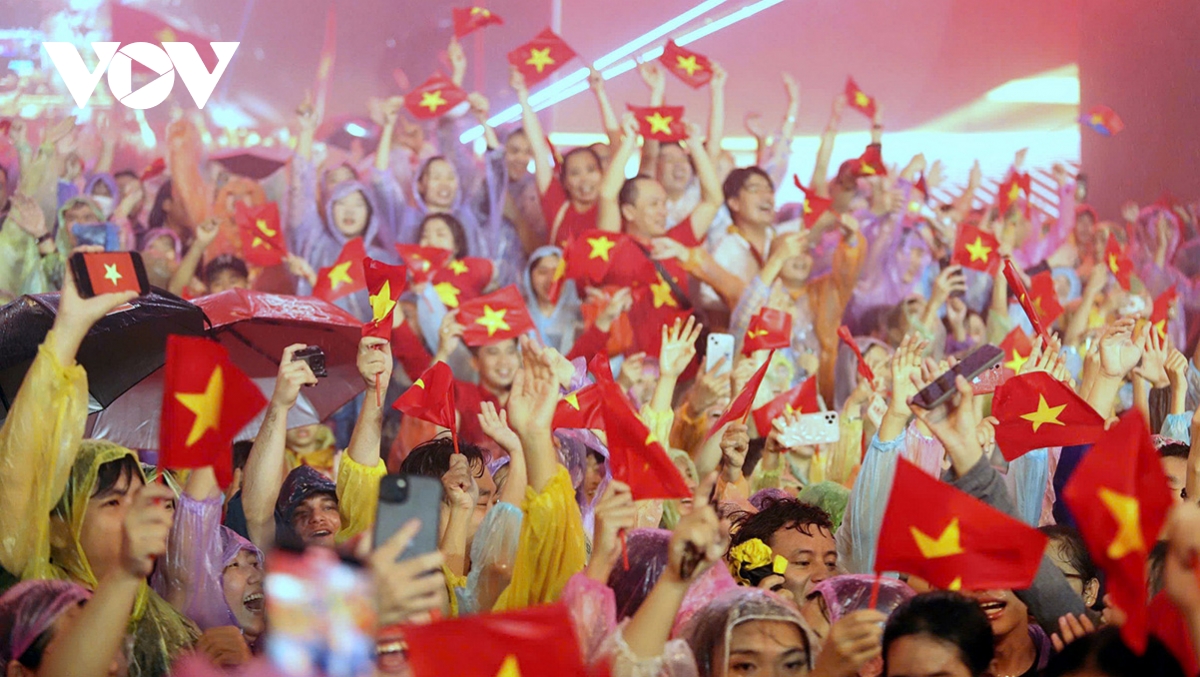
Ho Chi Minh City marked a major cultural milestone in 2025 after being officially recognised by UNESCO as a Creative City of Cinema, becoming the first city in Southeast Asia to join the UNESCO Creative Cities Network in this field.
The designation reflects the city’s growing film industry, which currently includes 935 film-related enterprises and more than 9,000 workers. To strengthen its position as a regional production hub, the city launched the Ho Chi Minh City Film Production Destination Guide, aimed at attracting international film crews and supporting the development of cultural industries.
Vietnamese cinema also recorded a commercial and artistic breakthrough, with 11 domestic films surpassing the VND100-billion revenue mark, while 50 outstanding cinematic works produced over the past 50 years were officially honoured.
Cultural influence extended beyond cinema. Local media organisations commemorated the 100th anniversary of Vietnam’s Revolutionary Press, reaffirming their role in social dialogue, public accountability and the promotion of humanistic values.
Sports and mass participation events further amplified the city’s soft power. Ho Chi Minh City set a Guinness World Record for the largest student Vovinam performance, topped the national high school sports championships, and successfully hosted an international marathon attracting more than 23,000 runners.
11. National defence and security maintained
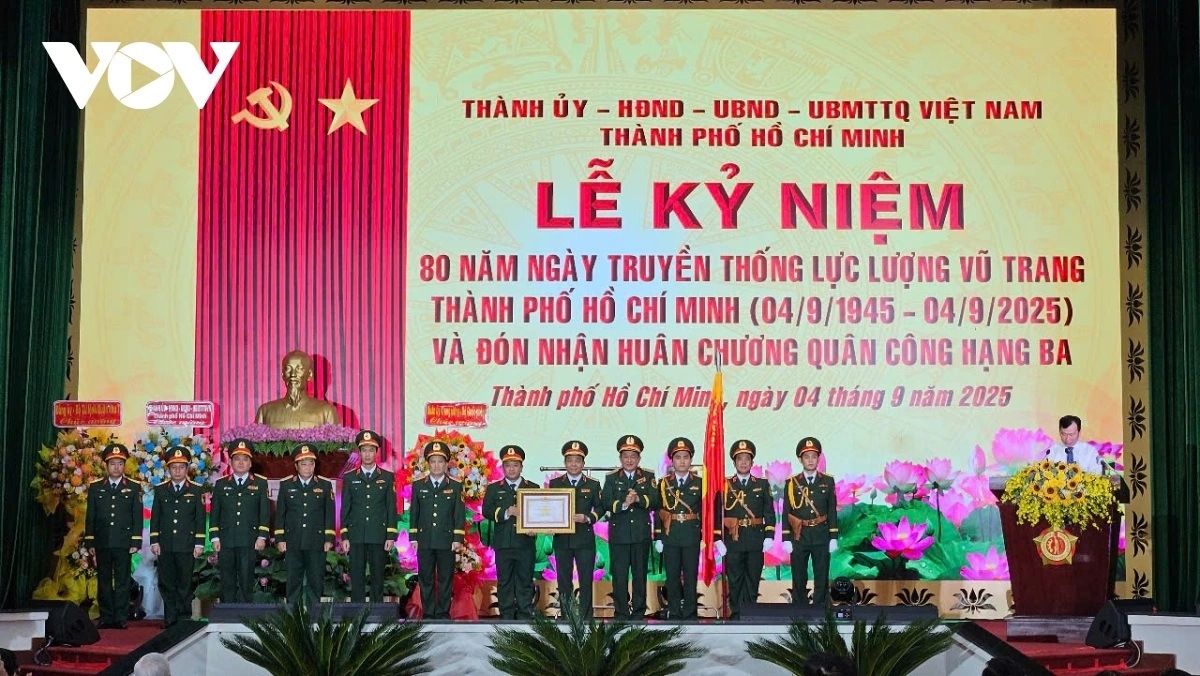
Ho Chi Minh City maintained firm national defence and public security in 2025, with its armed forces and public security units recording major achievements and receiving some of the country’s highest state honours.
The city’s Armed Forces, the Department of Internal Security and the Special Criminal Police Unit were awarded the title Hero of the People’s Armed Forces by the President of Vietnam, recognising their outstanding contributions to national security and social order.
The city also led the country in military recruitment, fulfilling 100% of its conscription targets with nearly 5,000 citizens enlisting, a figure assessed as the highest in overall quality nationwide.
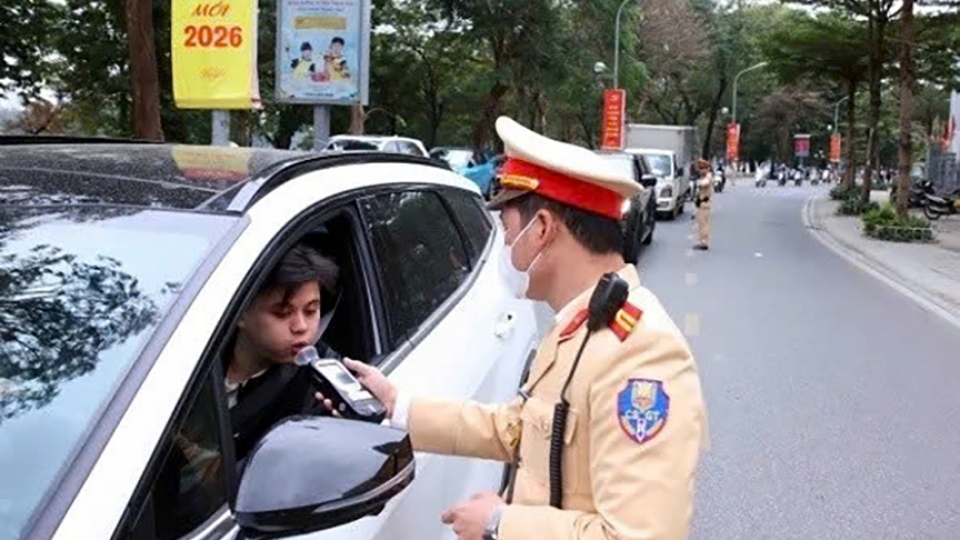
In crime prevention and law enforcement, the city reported a sharp decline in public order-related crimes, down more than 24% year on year. Property-related offences recorded an even steeper decrease of over 29%, reflecting the impact of intensive crime suppression campaigns under the principle of “no forbidden zones, no exceptions”.
The city’s armed forces played a central role in organisational restructuring towards a “lean, efficient and strong” model, while ensuring absolute security for major political and diplomatic events. Notably, they safeguarded the military parade and mass march commemorating the 50th anniversary of the Liberation of the South and National Reunification.
12. Global diplomacy expansion
Guided by Vietnam’s Politburo Resolution No. 59, Ho Chi Minh City recorded notable progress across political, economic, cultural and people-to-people diplomacy. More than 70 international-scale events were successfully organised, including the United Nations Day of Vesak 2025 and the ICF Global Summit, underscoring the city’s growing role as a regional hub for dialogue and cooperation.
The city also hosted 11 visiting heads of state and conducted over 500 high-level diplomatic meetings, reflecting strong international confidence in the city as a reliable and proactive partner.
On the economic front, the city signed six strategic cooperation agreements focusing on green growth, technology and finance, while expanding its network of sister-city partnerships to 87 localities worldwide.
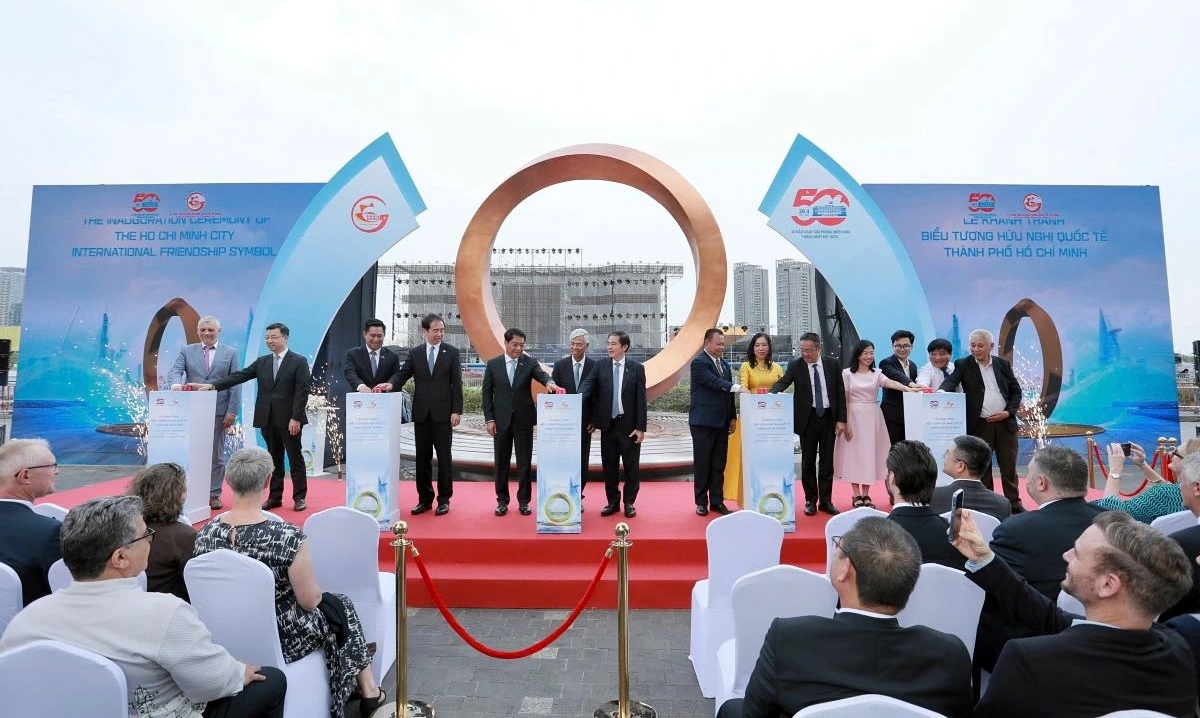
Cultural diplomacy and people-to-people exchanges further reinforced the city’s international image. Key highlights included the inauguration of the International Friendship Symbol at Bach Dang Wharf Park and Vietnamese cultural promotion programmes held in Busan, the Republic of Korea.
Bình luận của bạn đang được xem xét
Hộp thư thoại sẽ đóng sau 4s