Public investment - key driver for Vietnam’s double-digit growth ambitions

VOV.VN - Public investment is increasingly viewed as a critical lever for Vietnam’s ambition to achieve double-digit economic growth in the coming period, but experts warn that persistent bottlenecks must be removed for it to become an effective growth driver.
With less than a month remaining until the January 30, 2026 deadline for ministries, agencies and localities to complete disbursement of public investment funds under new regulations, progress remains behind schedule.
As of December 18, 2025, disbursed public investment capital reached more than VND603.6 trillion (US$24.6 billion), equivalent to 66.1% of the annual plan. To meet the target of 95–100% disbursement, the economy would need to absorb an additional VND400 trillion in the remaining weeks, a task analysts describe as highly challenging.
The figures suggest that long-standing obstacles to public investment disbursement have yet to be fully addressed.
Persistent bottlenecks
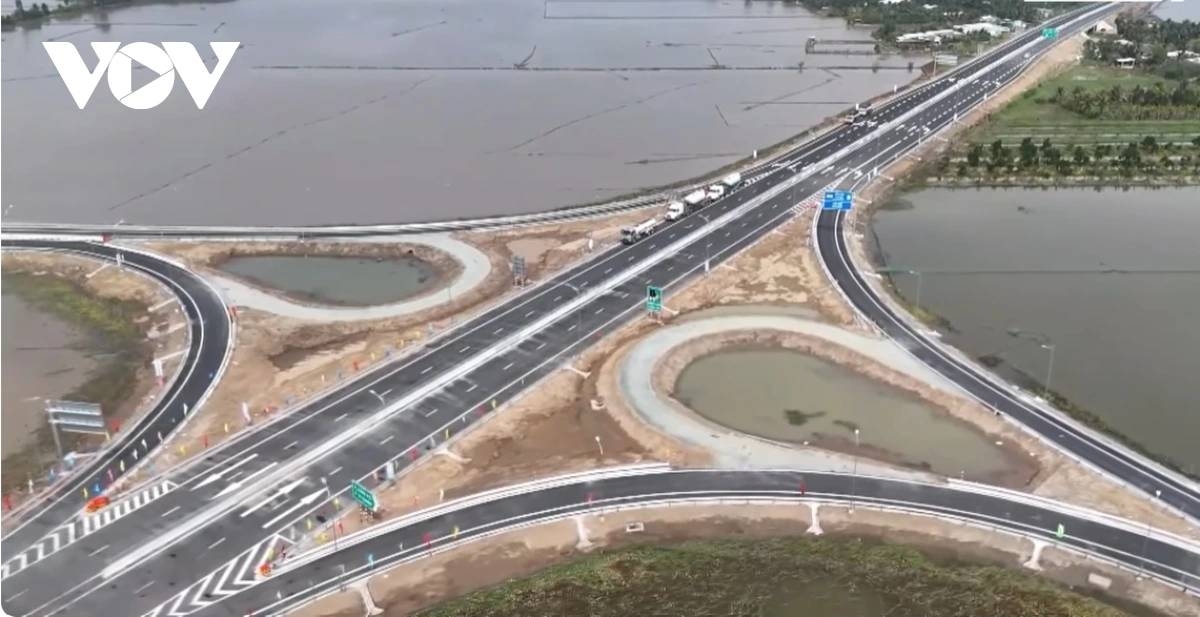
Experts identify three core constraints weighing on public investment, namely institutional and regulatory hurdles, delays in land clearance, and weaknesses in implementation at the local level.
Land clearance is particularly problematic, with difficulties in land valuation, compensation negotiations with residents, and complex administrative procedures slowing site handovers and disrupting construction schedules.
However, according to Pham Viet Thuan, director of the Ho Chi Minh City Institute of Resource Economics and Environment, the most immediate constraint affecting project completion is surging construction material prices.
“Most public investment contracts are lump-sum or have fixed unit prices. This has created a large gap between market prices and state-regulated prices,” Thuan says, noting that at times sand prices in the market have nearly doubled official benchmarks.
“As a result, contractors are under severe financial strain and unable to continue work.”
Can Van Luc, member of the Prime Minister’s Policy Advisory Group, points out that delays are not solely due to subjective factors such as unrealistic planning or risk aversion among some authorities. Instead, he describes shortages of construction materials as the biggest “choke point” constraining public investment.
Several major national projects, he says, are facing acute shortages of sand, stone and fill materials.
“Demand is extremely urgent, but supply is constrained by licensing procedures and overlapping legal regulations,” states the economist. “While enterprises have sufficient extraction capacity, the legal framework has failed to respond quickly to market fluctuations, pushing material prices higher.”
If left unresolved, he warns, the bottleneck would directly affect the goal of full public investment disbursement in 2026 and raise capital and opportunity costs for contractors, suppliers and public-private partners.
Addressing the root causes
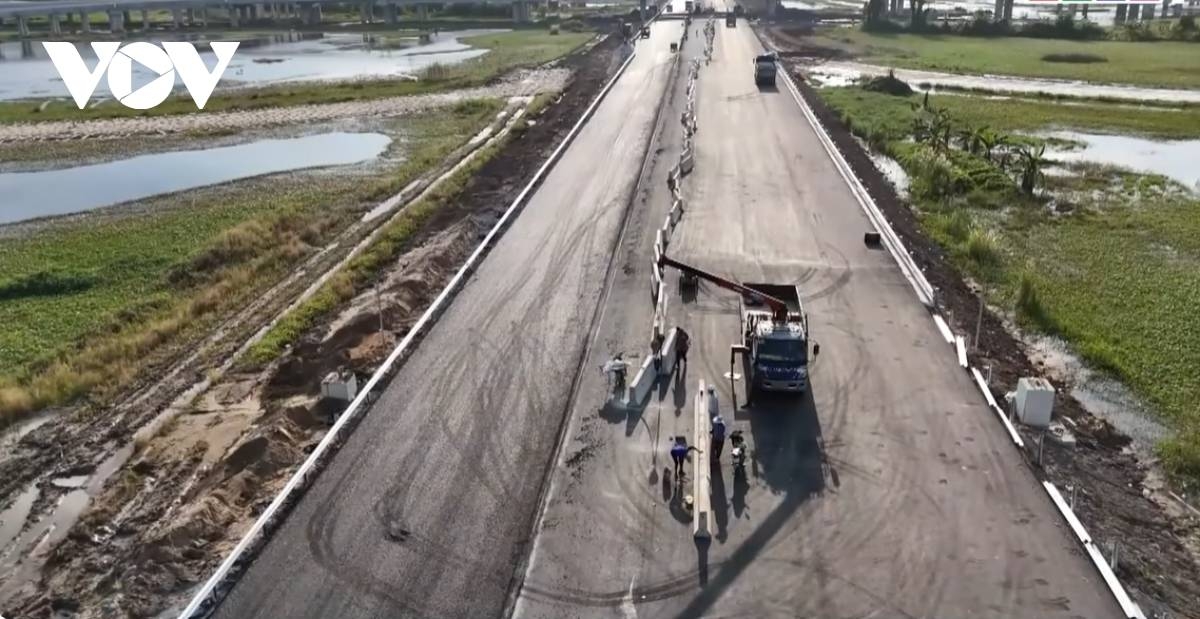
The recurring scarcity and price spikes of basic construction materials such as sand, gravel and fill soil, particularly toward the end of the year, have raised concerns about possible hoarding and speculative practices.
Thuan says authorities should reassess management mechanisms to ensure construction materials are supplied in line with their essential nature.
“When local governments are granted authority over mineral and construction material resources, there must be strict oversight of extraction volumes, output flows and end-use,” he says. “This is essential to prevent shortages or oversupply, ensure efficient and sustainable resource use, and protect the environment.”
Tran Ngoc Liem, head of the Vietnam Chamber of Commerce and Industry (VCCI) in Ho Chi Minh City, holds that solving material shortages requires more proactive and forward-looking planning.
“Waiting until projects are underway to search for material supply is no longer viable,” Liem says. “Private enterprises should be allowed to prepare long-term supply sources, rather than being limited to fragmented, project-by-project extraction.”
He adds that many companies have withdrawn from projects due to material prices rising far above state-set unit prices, underscoring the need for more flexible pricing mechanisms aligned with market realities.
“Unit pricing must allow for risk-sharing and balanced benefits between the state and contractors,” says Liem.
Growth implications
With major public investment projects entering their final stages and time running short, accelerating disbursement is seen as a crucial lever to support economic growth, boost infrastructure development and enhance national competitiveness.
Achieving near-full public investment disbursement would not only signal strong reform commitment but also provide valuable lessons for the 2026–2030 medium-term public investment plan, helping ensure resources are allocated effectively and on schedule.
Analysts say disbursement performance has also become a key measure of governance capacity and accountability across ministries, agencies and local governments, as Vietnam seeks to sustain growth momentum and strengthen the foundation for long-term development.
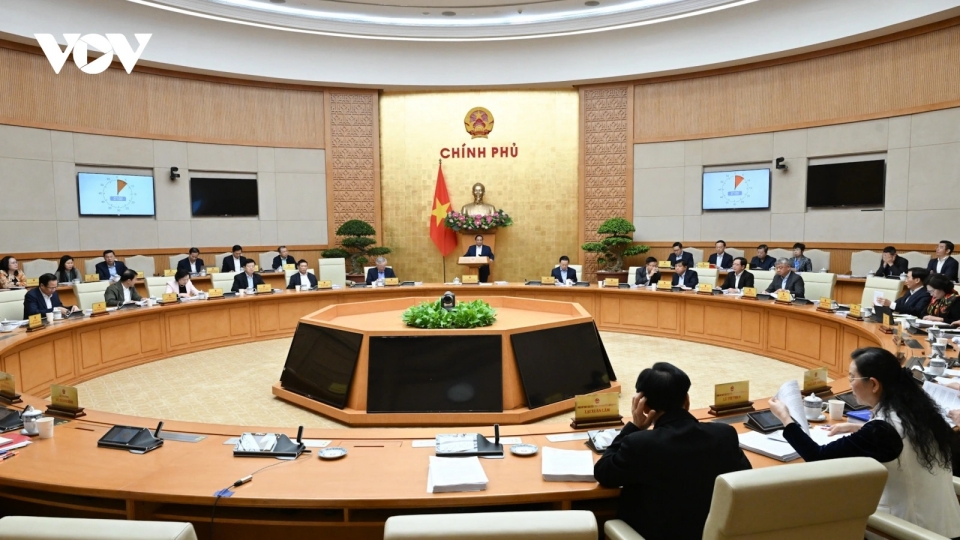
Vietnam maintains macro stability, accelerates public investment
VOV.VN - Vietnam reaffirmed macro-economic stability and moved to accelerate public investment disbursement as a key growth driver amid rising external risks, Prime Minister Pham Minh Chinh concluded at a monthly Government meeting for November held in Hanoi on December 6.