“Flexible government” key to helping Vietnam adapt to global uncertainty: scholar

VOV.VN - As geopolitical tensions, technological disruption and economic uncertainty continue reshaping the global landscape, Vietnam is increasingly being pushed toward a governance model capable of responding faster and adapting more effectively to change.
According to Associate Professor Dr. Nguyen Ba Chien, director of the Academy of Public Administration and Governance, building a “flexible government” is no longer simply an administrative reform objective, but a strategic requirement for sustaining growth, encouraging innovation and improving national resilience in a rapidly changing world.
Chien told VOV.VN in an interview that a flexible government could be understood as a governance model that prioritises speed, adaptability and data-driven decision-making, while placing citizens and businesses at the centre of policy implementation.
“The flexibility of government is reflected not only in its ability to respond to short-term disruptions, but also in its capacity to restructure institutions and adjust long-term national development strategies,” he said.
Governance adaptability becomes increasingly critical
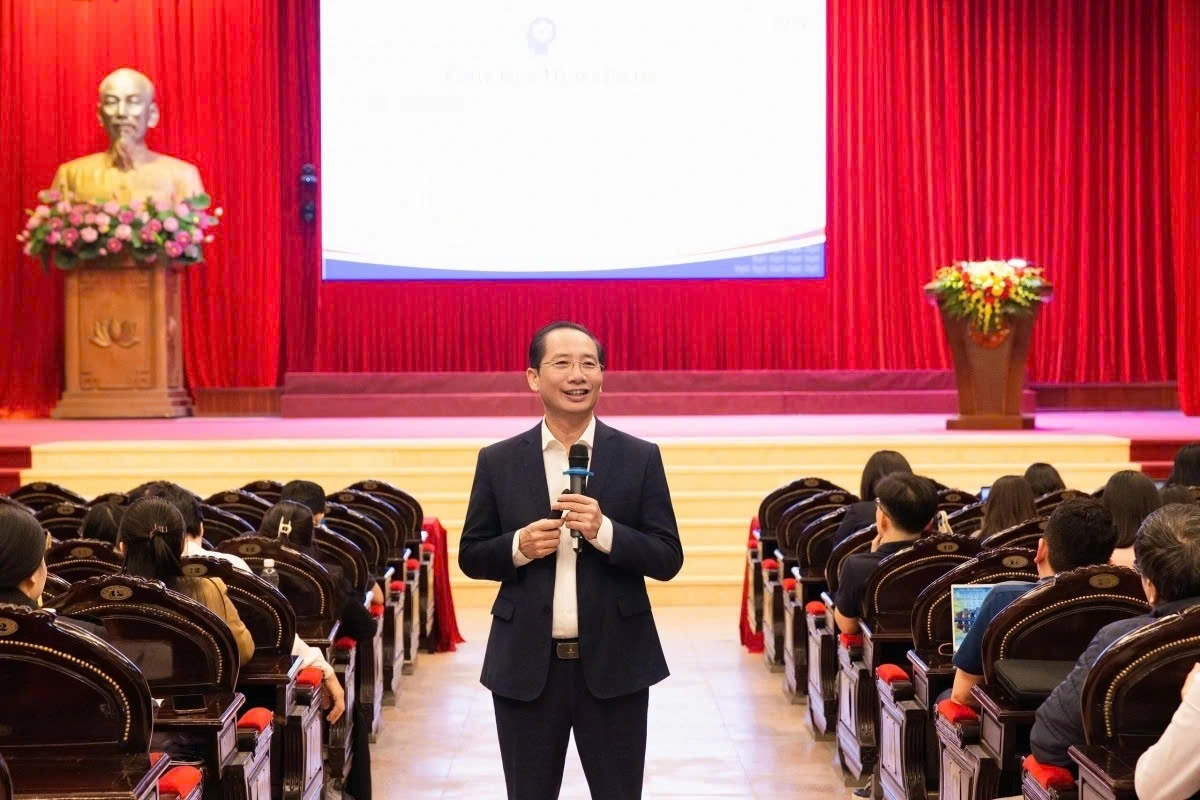
The scholar affirmed that Vietnam has already demonstrated elements of governance flexibility in recent years, particularly through macroeconomic management and public administration reforms.
Between 2021 and 2025, Vietnam maintained relatively stable growth and inflation control despite global instability, thanks in part to flexible coordination between fiscal and monetary policies, he noted.
He pointed to the government’s response to energy market disruptions in early 2026 triggered by escalating conflict in the Middle East as an example of adaptive policymaking. Regulators adjusted fuel pricing policies in what he described as a “flexible, smart and creative” manner to balance inflation control with economic growth targets.
Beyond economic management, he highlighted Vietnam’s ongoing efforts to streamline the state apparatus and restructure local governance systems. The transition from a three-tier to a two-tier local government model in 2025, together with earlier urban governance pilot programmes and administrative mergers, reflected a broader shift toward a leaner and more adaptive governance structure.
From “Zero Covid” to adaptive governance
Assoc. Prof. Dr. Nguyen Ba Chien also cited Vietnam’s shift away from the “Zero Covid” strategy in 2021 as one of the clearest examples of institutional adaptability under crisis conditions.
According to him, the government’s adoption of Resolution 128 on “safe, flexible adaptation and effective control of the pandemic” demonstrated the political system’s willingness to fundamentally adjust policy direction when circumstances changed.
“When practical conditions changed, the system was prepared to revise a core policy orientation in order to avoid large-scale socio-economic disruption,” he said.
The scholar added that a series of strategic resolutions issued by the Politburo between late 2024 and early 2025, including Resolutions 57, 59, 66 and 68, also reflected Vietnam’s efforts to rapidly reposition its development strategy amid emerging challenges.
Institutional reforms seen as central to future governance
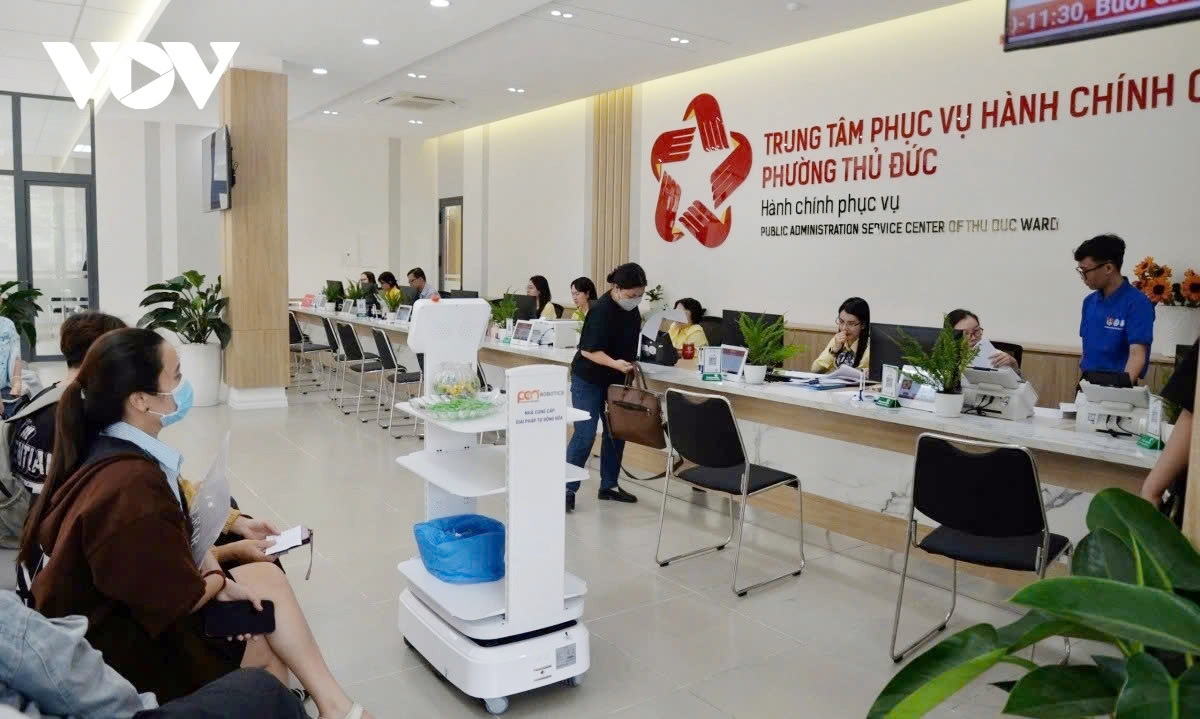
Looking ahead, Assoc. Prof. Dr. Nguyen Ba Chien suggested that Vietnam would need deeper institutional reforms to successfully build a truly flexible government model.
One priority, he pointed out, is creating legal space for innovation through mechanisms that allow policy experimentation and protect officials willing to take calculated risks for the public good.
He proposed developing a national-level legal framework for institutional experimentation, particularly in emerging sectors such as the digital economy, green economy and sharing economy.
At the same time, he stressed the importance of building what he called an “adaptive institutional system,” in which laws and regulations are designed to react more quickly to technological change and emergency situations.
That process, he noted, would require reducing unnecessary administrative procedures while granting greater decision-making authority alongside clearer transparency and accountability mechanisms.
Data and talent as strategic resources
Assoc. Prof. Dr. Nguyen Ba Chien also emphasised the need to break down institutional fragmentation through stronger inter-agency coordination mechanisms capable of handling cross-sector and long-term strategic issues.
In the context of accelerating digital transformation, he argued, data should be treated as a strategic national resource.
Vietnam, he said, should accelerate the development of integrated national data platforms, and at the same time expand the use of artificial intelligence in forecasting, policy analysis and decision-making support.
Human capital, meanwhile, remains another core pillar of governance reform.
According to Chien, Vietnam needs to move beyond seniority-based personnel systems and instead build an elite civil service focused on performance, innovation capacity and digital competence.
He also called for stronger incentives to attract and retain high-quality talent, especially individuals capable of addressing increasingly complex governance challenges.
For the scholar, the core of a “flexible government” ultimately goes beyond institutional restructuring or technological modernisation. Instead, he argued, it requires a fundamental shift in governance thinking, from control-oriented management toward a development-oriented state that empowers institutions, tolerates calculated risks and prioritises public value creation.
Such a transition, he said, will determine how effectively Vietnam can adapt and compete in an increasingly volatile global environment.
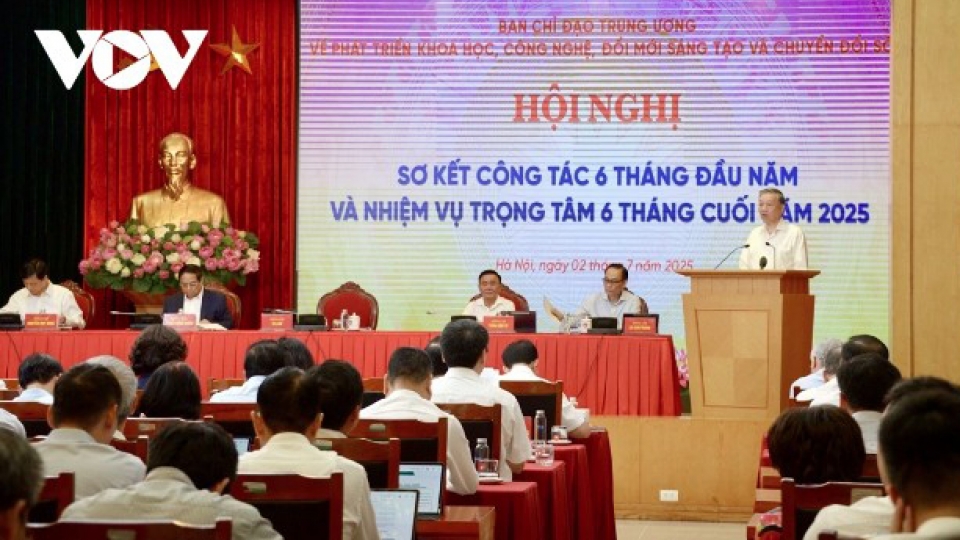
Digital transformation a lifeline in new two-tier governance, says Party chief
VOV.VN - Digital transformation is a vital link between provinces and communes in the new two-tier local government model. It must serve as a data brain to aggregate and analyze information, enabling early warnings and ensuring full and timely access to information, says Party General Secretary To Lam.