Da Nang must shift innovation, AI-driven growth model, says Party chief

VOV.VN - Party General Secretary and President To Lam has urged the central city of Da Nang to fundamentally shift its growth model toward one driven by innovation, technology and artificial intelligence (AI), as it enters a new stage of development.
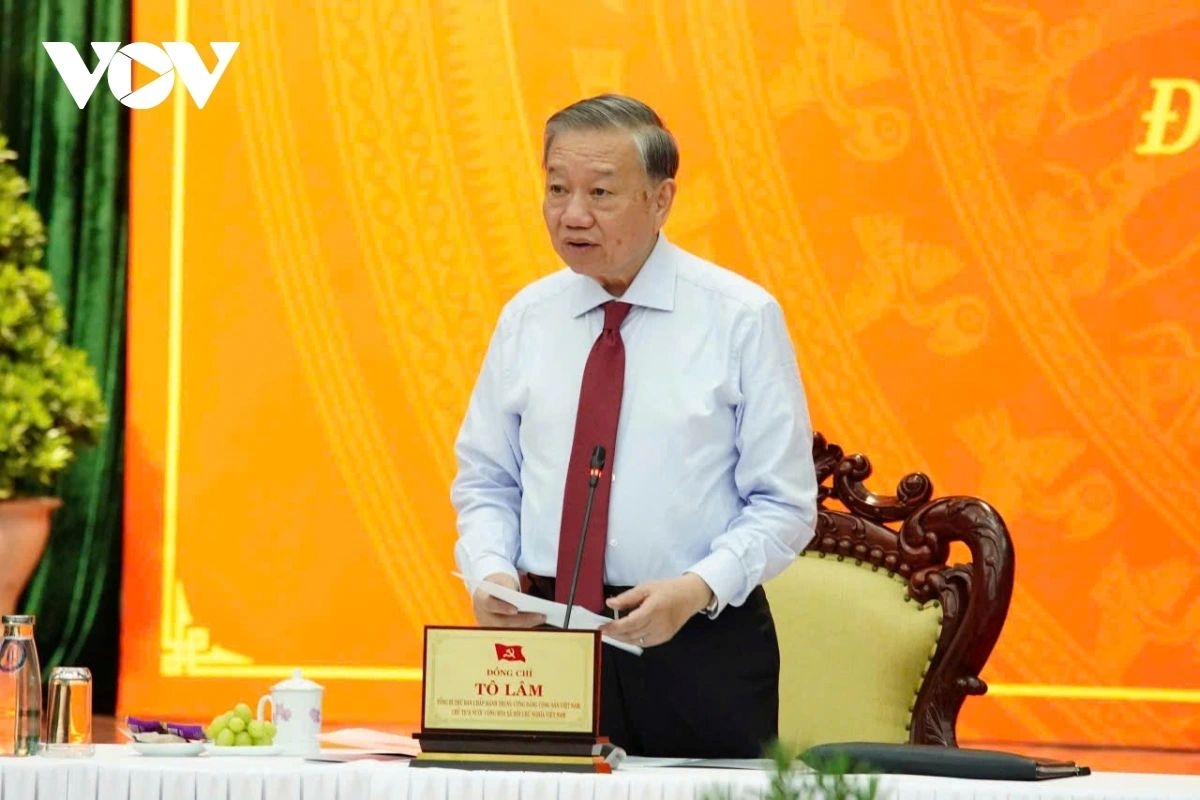
Speaking at a working session with the city’s Party Standing Committee on April 25, he stressed that Da Nang no longer has sufficient room to rely on its existing growth model and must move decisively toward a higher-quality, innovation-led economy.
The transition, he said, should focus on sectors with high added value, including high-tech industries, semiconductors, the digital economy, finance, logistics, high-quality tourism and creative industries. Central to this shift is the expanded application of AI in both urban governance and production to enhance efficiency and competitiveness.
To support the transition, the top leader emphasised the need to accelerate the development of strategic infrastructure, especially digital infrastructure and innovation ecosystems. These, he noted, will serve as critical enablers for a technology- and innovation-driven growth model.
He also underscored the importance of strengthening Party building, calling on Da Nang to fully implement new Party Central Committee resolutions, conclusions and regulations, while maintaining unity and tightening discipline.
Party-building efforts, he said, must be closely linked to governance outcomes, administrative efficiency, and the quality of services provided to citizens and businesses, alongside stronger work in political education, organisation, inspection, supervision, internal affairs and anti-corruption. He highlighted the need to foster a mindset of initiative, responsibility and accountability among officials in the interest of the common good.
He also called for a modern, balanced urban development approach, ensuring that economic expansion goes hand in hand with environmental sustainability, quality of life and preservation of the city’s identity.
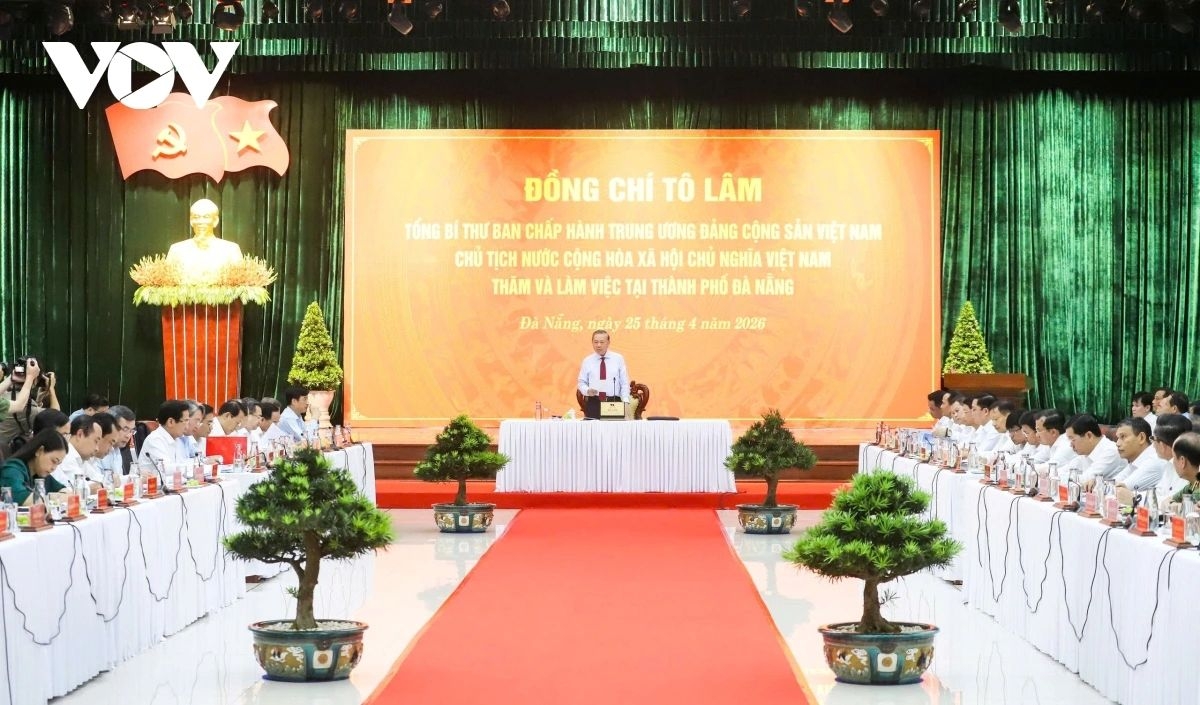
On governance, he urged reforms toward a leaner, more effective administrative system, with greater decentralisation tied to accountability. Personnel evaluation should shift toward performance and outcomes, prioritising problem-solving capacity, innovation and efficiency, alongside mechanisms to support and protect officials willing to take initiative.
He further stressed the importance of strengthening discipline and accountability across the political system, with tangible results as the primary benchmark, and aligning Party building with governance effectiveness and service quality.
It was reported that Da Nang has maintained strong economic momentum, with GRDP growth exceeding 9% in 2025 and 8.45% in the first quarter of 2026. The city has also attracted increasing flows of domestic and foreign investment, particularly in technology and services, providing a foundation for the next phase of development.
Da Nang is one of the most important economic and urban centres in central Vietnam, strategically located along the East–West Economic Corridor and serving as a gateway to the East Sea for the central and Central Highlands regions. The city benefits from well-developed infrastructure, including a deep-sea port, an international airport, a high-tech park and a rapidly expanding network of industrial zones.
In recent years, Da Nang has been positioning itself as a modern city driven by services, tourism, high technology and the digital economy. Tourism is a key pillar, attracting tens of millions of visitors annually, while high-tech industries, semiconductors and information technology are emerging as new growth drivers.
The city is also considered one of Vietnam’s leading localities in digital transformation and smart city development. At the same time, it serves as a hub linking major cultural heritage sites in central Vietnam such as Hue, Hoi An and My Son Sanctuary. With its new development orientation, Da Nang is expected to evolve into a regional centre for innovation and green growth in the coming years.
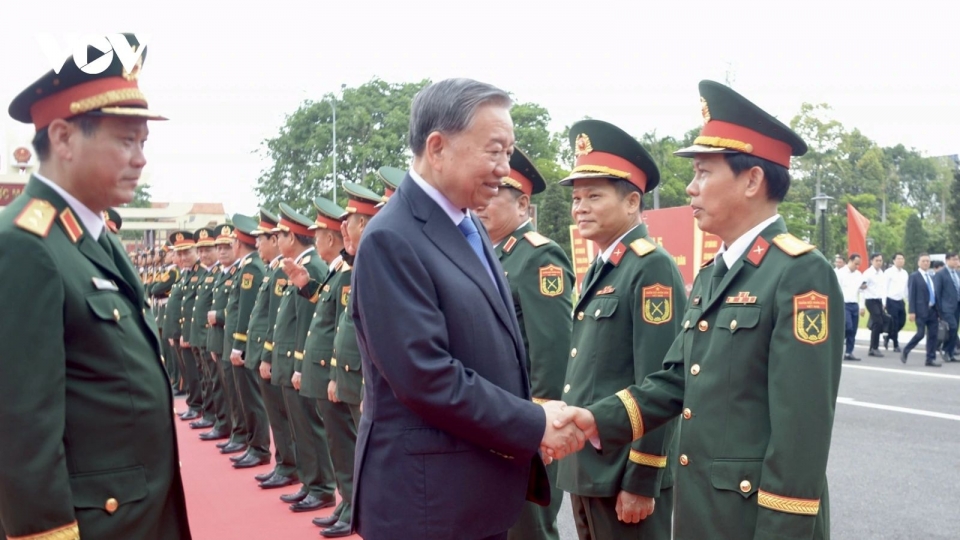
Top leader calls for proactive defence, tech readiness, and strong public ties
VOV.VN - Party General Secretary and State President To Lam has called on Military Region 5 to strengthen early situational awareness, adapt to high-tech warfare, and reinforce close ties with the people to avoid strategic passivity in any circumstances.