Why Vietnam is becoming an increasingly important global partner

VOV.VN - Vietnam’s rapidly expanding network of comprehensive strategic partnerships and growing role in multilateral institutions are highlighting the country’s rising international position at a time of deep geopolitical competition and global supply chain restructuring.
Why Vietnam is gaining strategic importance
As strategic rivalry intensifies and countries seek stable economic and diplomatic partners, Vietnam is increasingly viewed as an attractive and reliable partner thanks to its political stability, strong economic growth, and balanced foreign policy approach.
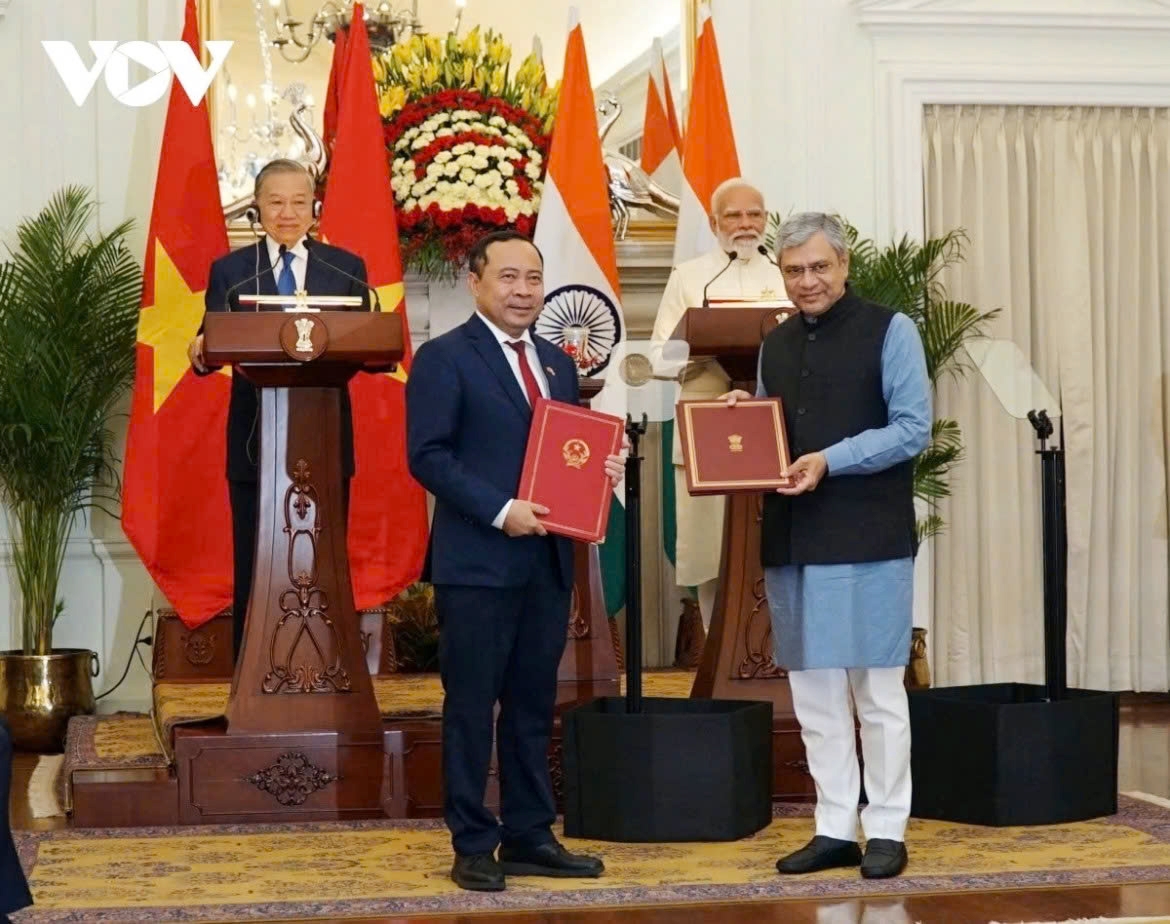
One of the most notable recent developments was the decision by Vietnam and India to elevate bilateral ties to an Enhanced Comprehensive Strategic Partnership during the May 5-7 visit to India by Party General Secretary and State President To Lam.
A decade after the establishment of their Comprehensive Strategic Partnership framework, the latest upgrade is seen as reflecting growing political trust and stronger demand for deeper practical cooperation between the two countries. Indian Prime Minister Narendra Modi described Vietnam as an important pillar in India’s “Act East” policy and a key bridge connecting India with the Association of Southeast Asian Nations (ASEAN).
Beyond India, Vietnam has now established Comprehensive Strategic Partnerships with 13 countries and the European Union, including all five permanent members of the United Nations Security Council, namely the United States, China, Russia, France, and the United Kingdom.
Vietnam’s strategic partners are spread across Asia, Europe, the Americas, and Oceania, illustrating increasingly interconnected interests between Vietnam and major global power centres.
Expanding strategic partnerships with major powers
International observers say Vietnam’s appeal is driven by its fast-growing economy, young workforce, and strategic geographic position within the Indo-Pacific region, which is becoming a major hub for global supply chain diversification.
Daniel Kritenbrink, former US ambassador to Vietnam and now a senior executive at The Asia Group, described Vietnam as one of the region’s most dynamic economies with strong long-term cooperation potential.
Vietnam has also maintained its role as an important trading partner for many major economies. With China, Vietnam is Beijing’s leading trading partner in Southeast Asia and an important gateway for advancing regional initiatives.
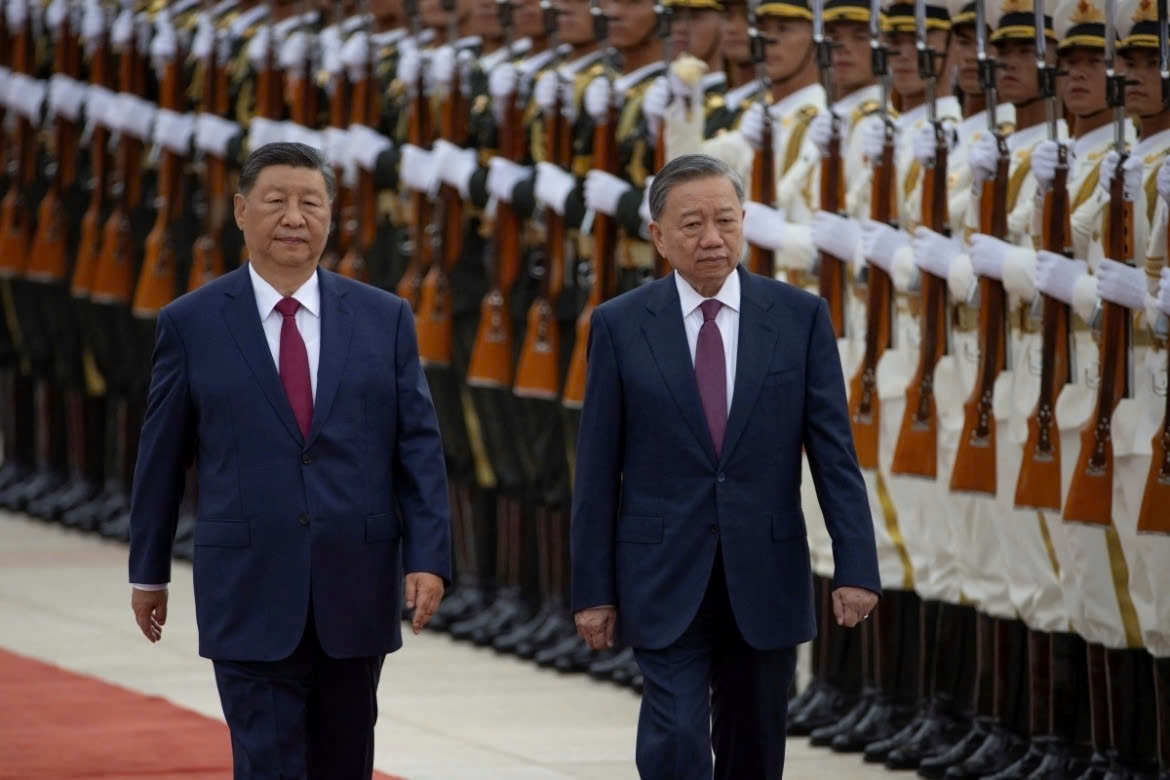
In April, China became the first overseas destination visited by Party General Secretary and President To Lam in his capacity as Vietnam’s top Party and State leader following the 14th National Party Congress. During the visit, both countries pledged to strengthen political trust, maintain high-level strategic exchanges, and promote the building of a Vietnam-China community with a shared future of strategic significance.
Xu Ningning, chairman of the Industry Cooperation Committee under the Regional Comprehensive Economic Partnership (RCEP) framework, said Vietnam’s international standing has experienced a qualitative leap, making the country increasingly attractive for stronger international partnerships.
According to Xu, after nearly four decades of economic reforms, Vietnam has become one of Southeast Asia’s most extensive diplomatic networks, ranking among the world’s top 15 trading economies and emerging as an important link in regional supply chains.
Currently, Vietnam is actively participating in multilateral mechanisms such as the Association of Southeast Asian Nations and the Lancang-Mekong Cooperation, demonstrating the vitality of an emerging economy while making important contributions to maintaining regional peace and stability as well as promoting trade liberalization, Xu said.
With Russia, Vietnam continues to maintain a long-standing political partnership while also serving as an important bridge between Moscow and ASEAN. Russian President Vladimir Putin previously described Vietnam as one of Russia’s three most important partners in Asia alongside China and India.
Growing influence in ASEAN and global institutions
At the multilateral level, Vietnam has also strengthened its regional and international profile through active participation in ASEAN and United Nations mechanisms.
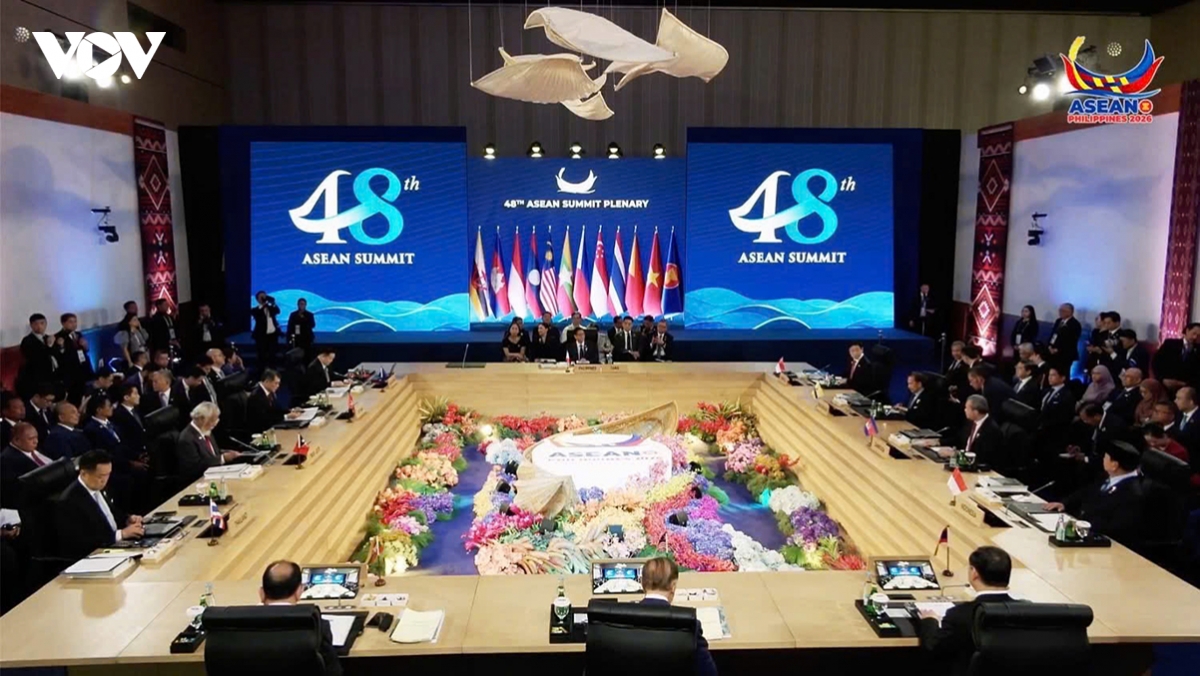
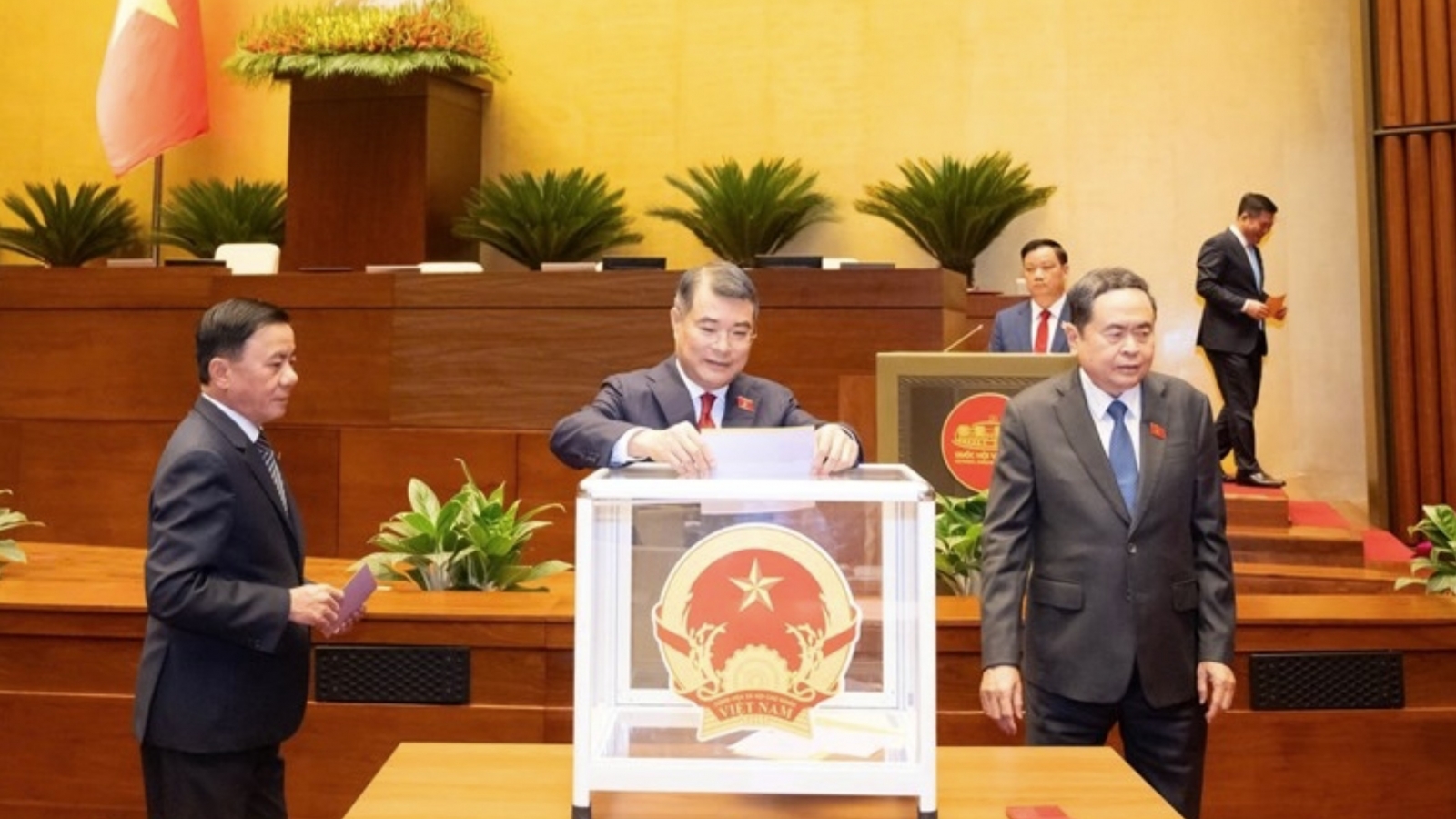
Prime Minister Le Minh Hung attended the 48th ASEAN Summit in the Philippines shortly after being elected by the National Assembly. ASEAN member states and regional leaders expressed confidence that Vietnam’s new leadership would continue contributing positively to regional cooperation and development.
ASEAN Secretary General Kao Kim Hourn praised Vietnam’s rising position, saying the country has been an important and active ASEAN member since joining the bloc in 1995, contributing to regional peace, stability, prosperity, and integration.
On the global stage, Vietnam’s diplomatic profile has also grown through contributions to international governance and global cooperation initiatives.
One major example was the successful hosting of the signing ceremony for the United Nations Convention against Cybercrime in late 2025, also known as the “Hanoi Convention.” The event marked the first time Vietnam hosted an international treaty signing ceremony, reflecting the country’s increasing role in global cybersecurity cooperation.
Vietnam has also strengthened its reputation through repeated elections to major United Nations bodies, including two terms as a non-permanent member of the UN Security Council and three elections to the UN Human Rights Council, most recently for the 2026–2028 term.
The country also actively participates in the leadership mechanisms of organisations such as the United Nations Development Programme, United Nations Population Fund, United Nations Educational, Scientific and Cultural Organisation (UNESCO), and the World Intellectual Property Organisation (WIPO).
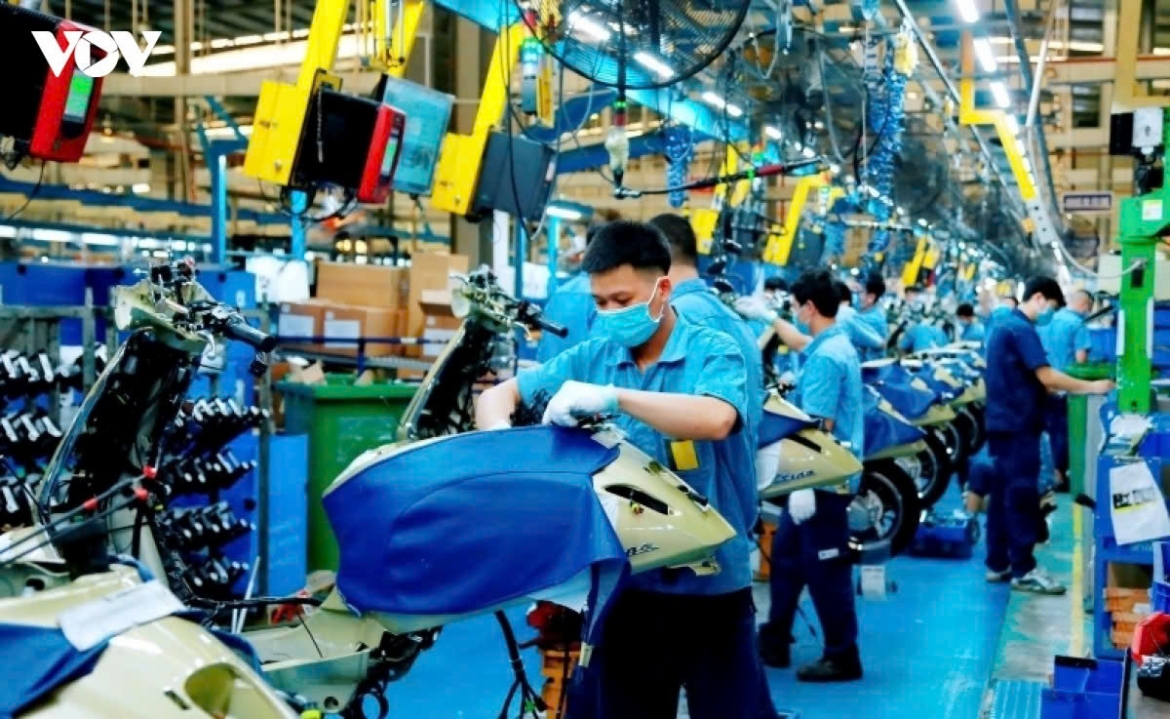
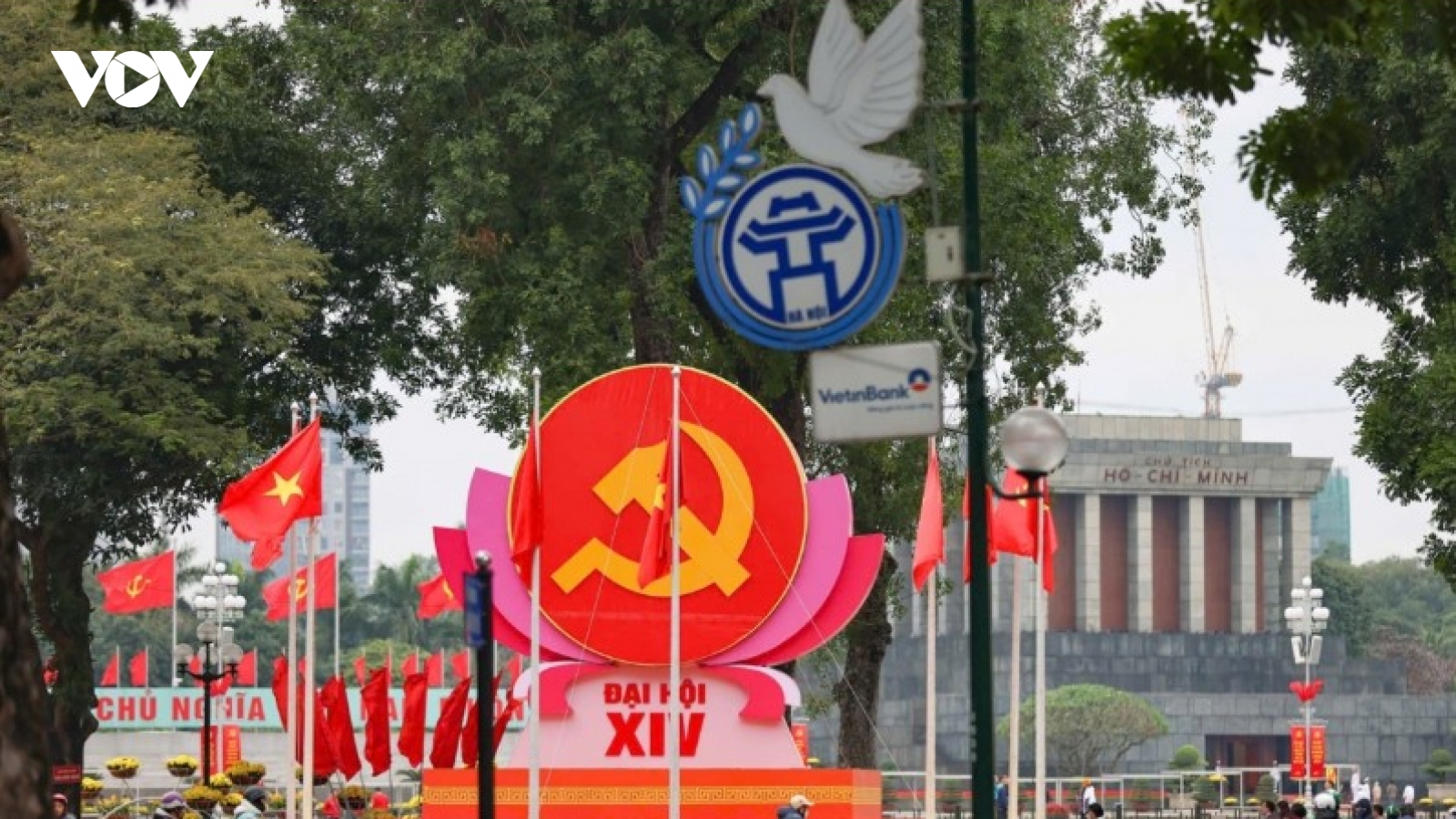
Vietnam’s 14th National Party Congress identified foreign affairs and international integration as “essential and regular” priorities for national development and security. Its consistent foreign policy of independence, self-reliance, diversification, and multilateralisation has enabled the country to maintain balanced relations with major powers while expanding cooperation opportunities in a rapidly changing world.
As geopolitical competition intensifies globally, Vietnam is increasingly being viewed as a stable, trustworthy, and strategically important partner both regionally and globally.
Moody’s upgrades Vietnam outlook to Positive, cites institutional reforms
VOV.VN - Moody’s has upgraded Vietnam’s outlook to Positive from Stable and affirmed its Ba2 sovereign rating, showing confidence in the country’s improving credit profile over the medium term.