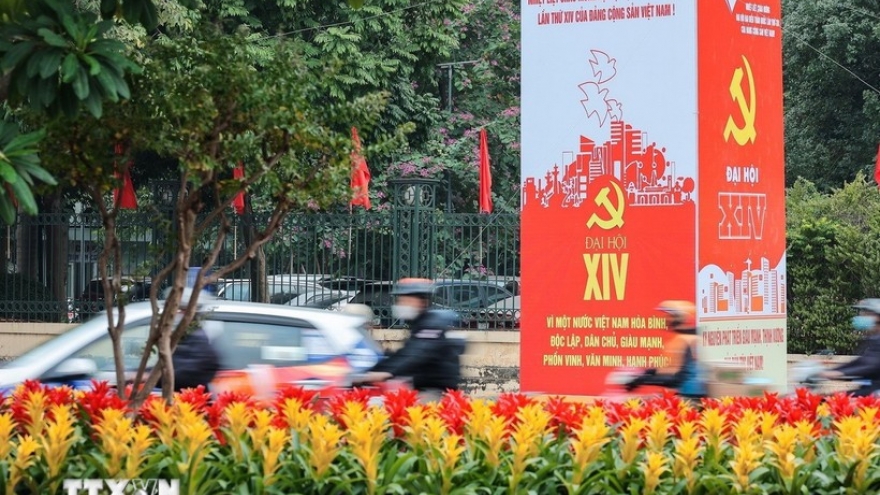
Vietnam enters a new era with position and capacity fully in place

VOV.VN - After 40 years of pursuing Doi Moi (Renewal) process, Vietnam now has the position and capacity in place to enter a new era of development.
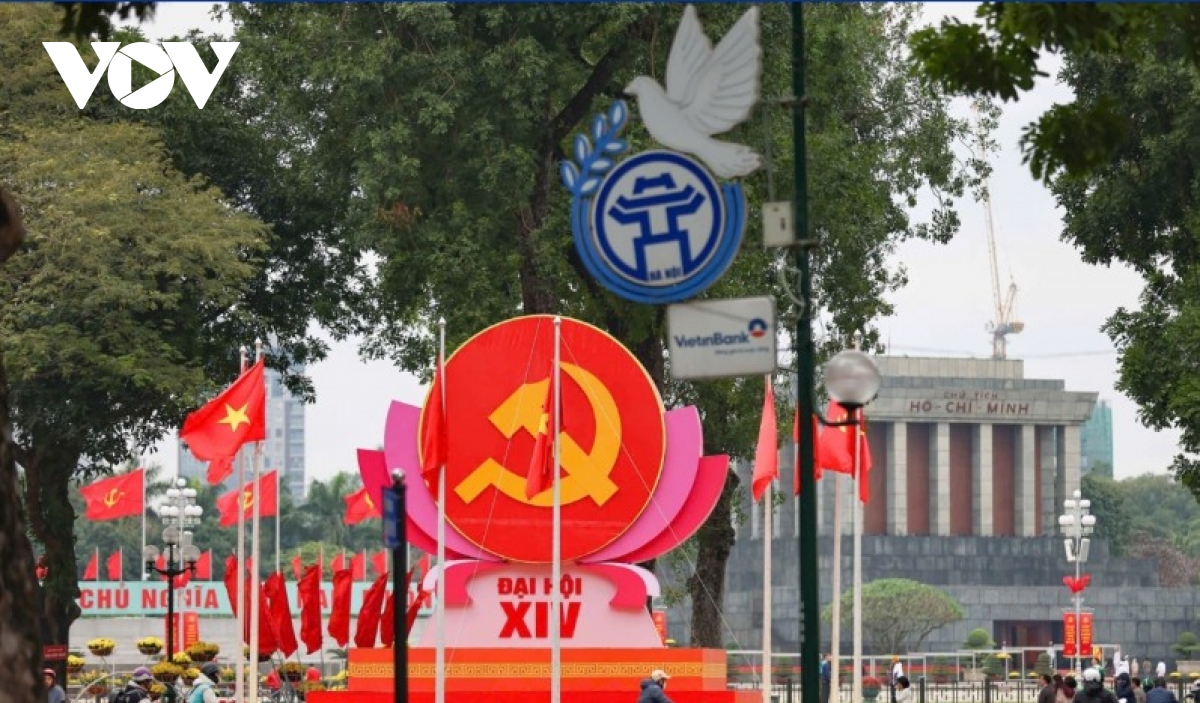
In particular, the breakthrough decisions adopted at the 14th National Party Congress have mapped out a clear path and development roadmap for the nation, unlocking resources to enable a push toward becoming a prosperous and wealthy country.
Speaking at a Government conference with localities, Party General Secretary To Lam affirmed that the country has accumulated sufficient momentum and capacity, together with the determination and political will, to move into a new era of strong and prosperous development.
This is not merely an encouraging assessment, but a conclusion distilled from Vietnam’s development experience over four decades of Doi Moi. Viewed in both historical and contemporary contexts, the assessment is well grounded, accurately reflecting the country’s scale, standing and development potential.
Position and capacity after 40 years of Doi Moi
After four decades of reform (1986-2026), Vietnam’s position and development space have expanded markedly. From a centrally planned, bureaucratic and subsidy-based economy, the country has undergone a steady and profound transition to a socialist-oriented market economy, deeply integrated into the regional and global economy.
The nation’s accession to the World Trade Organization in 2007 marked a major turning point, bringing the country onto the global playing field governed by international standards on institutions, competition and transparency.
Subsequently, the signing and implementation of a wide range of free trade agreements have not only expanded export markets, but also enabled Vietnamese enterprises to access global supply chains, reduce production costs and enhance competitiveness.
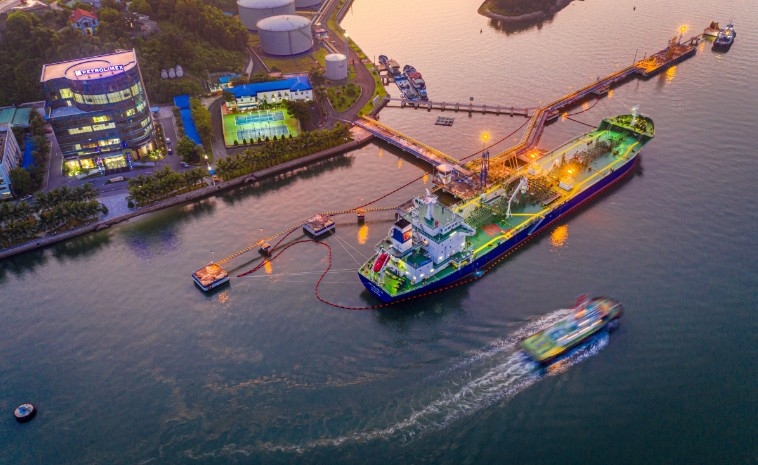
At the same time, Vietnam maintains economic and trade relations with more than 230 countries and territories across continents, thus opening up a broad range of markets and partners that make practical contributions to the country’s international standing and economic growth.
Alongside this expanded momentum is the strengthening of the country’s domestic economic and social capacity. Whereas at the outset of Doi Moi Vietnam’s economic scale amounted to only a few billion US dollars, the national economy has now surpassed US$514 billion, placing it among the leading economies in Southeast Asia.
Per capita income has risen from under US$100 a year to around US$5,026, showing quantitative growth as well as a fundamental improvement in living standards.
It is worth noting that Vietnam’s economic growth in recent years has taken place amid a complex global environment, with multiple supply-chain disruptions. During 2016-2019, average annual GDP growth reached around 6.8%. Even during the Covid-19 pandemic, when the global economy contracted sharply, Vietnam maintained positive growth and recovered quickly, posting 8.02% growth in 2022.
These figures do more than indicate growth rates; they demonstrate the economy’s internal strength and resilience as it prepares to move into a higher stage of development.
From another perspective, Vietnam has also built up substantial national resources, notably its capacity to balance and mobilize funding for development. This includes resources for public investment, transport infrastructure, social programmes and poverty reduction.
During 2020-2025, trillions of VND were mobilized for investment, with large-scale efforts undertaken to accelerate implementation. Transport infrastructure recorded historic breakthroughs, with 3,245 kilometers of expressways completed, exceeding the 3,000-kilometer target, and 1,711 kilometers of coastal roads, surpassing the 1,700-kilometer goal by the end of 2025. Several 500-kV power transmission lines were completed in record time.
Preparations are also under way for major national strategic projects, including the Ninh Thuan nuclear power project, the North-South high-speed railway, the Lao Cai-Hanoi-Hai Phong railway, and the near completion of Phase 1 of Long Thanh International Airport.
With a population exceeding 100 million, Vietnam is widely regarded as an attractive consumer market and a major source of labor.
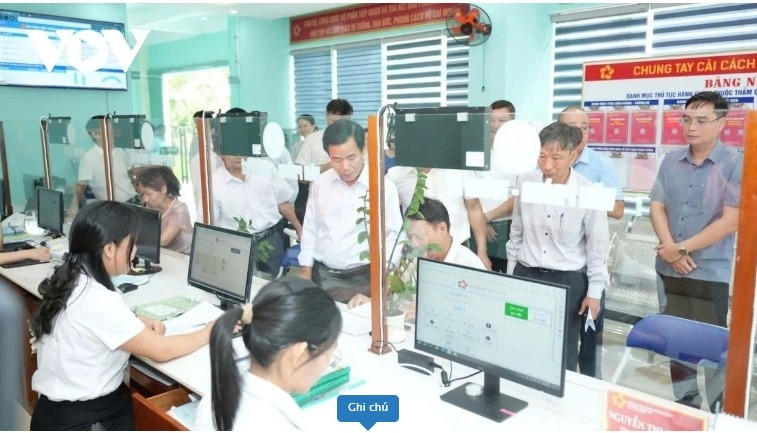
More importantly, after many years of Doi Moi, a clear shift can be seen in the development mindset of provincial leaders and ministries. A mentality of dependence has given way to greater proactiveness, creativity, integration and competition. This is evident in local efforts to attract investment and reform administrative procedures. Such changes form a crucial foundation, contributing to the country’s soft power for national development.
Institutional breakthroughs to unlock development drivers
For many years, the Party has emphasized the need to reform the organizational apparatus toward greater streamlining, addressing overlap and inefficiency. This constitutes an essential foundation for improving national governance and generating momentum for faster progress in the new era. The restructuring and streamlining of the political system is not aimed merely at reducing layers or staffing levels, but at a more fundamental objective: enhancing the effectiveness and efficiency of national governance. The shift from a “management” mindset to one of “creation and service” marks a foundational change in both awareness and action within the public administration.
When the apparatus is streamlined, functions and responsibilities clearly defined, and citizens and businesses placed at the center of public service, social resources can be mobilized and utilized more effectively. This is an important institutional condition for translating position and capacity into concrete development results.
At the same time, the strategic decisions set out in the documents of the 14th National Party Congress show that the country has made thorough preparations in terms of development thinking and roadmap. The goals of becoming a high-income, developed country by 2030, with a vision to 2045, are not merely aspirational; they are based on new growth drivers such as science and technology, innovation, digital transformation, the green economy and sustainable development. This marks a shift in development thinking, from “catching up” to “breaking through,” and from simple accumulation to higher quality and value addition.
To realize these objectives, the political report submitted to the 14th Party Congress set out 12 major orientations, six key tasks and three strategic breakthroughs. The action programme has specified tasks that can be implemented immediately. Its core spirit is condensed into eight key elements, clearly setting out the requirements of making the right choices, acting swiftly, carrying work through to completion, and measuring progress by results. Throughout the documents, a consistent emphasis is placed on action, with policies guided by the principle of putting the people at the center, speaking less, doing more, and following through to the end.
With the country’s position and capacity now in place, together with strong political will and determination, Vietnam is expected to continue developing toward the goal of prosperity and happiness for its people.
Int’l friends show confidence in Vietnam’s steady development in new era
Following the conclusion of the 14th National Party Congress with the 14th Party Central Committee unanimously re-electing To Lam as General Secretary, international friends have extended warm congratulations to the country, praising its spirit of unity, collective wisdom and strong confidence in its chosen leadership.