Vietnam pushes long-term vision in ties with Russia during PM’s official visit

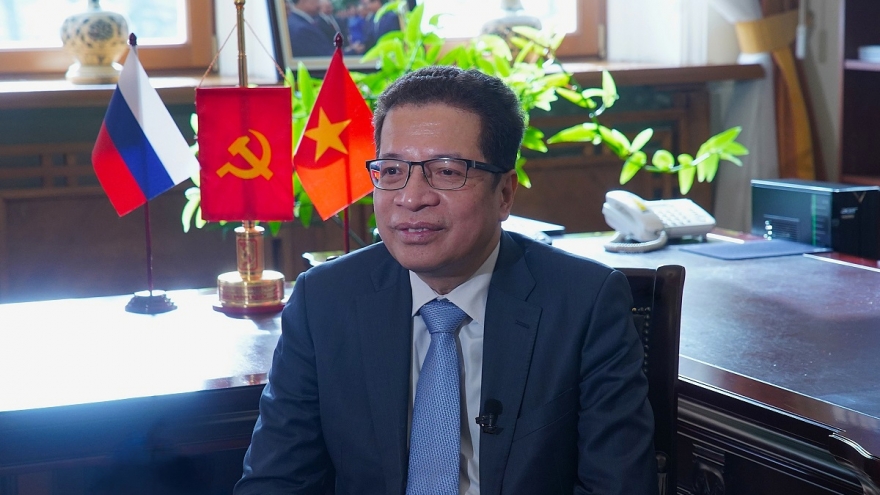
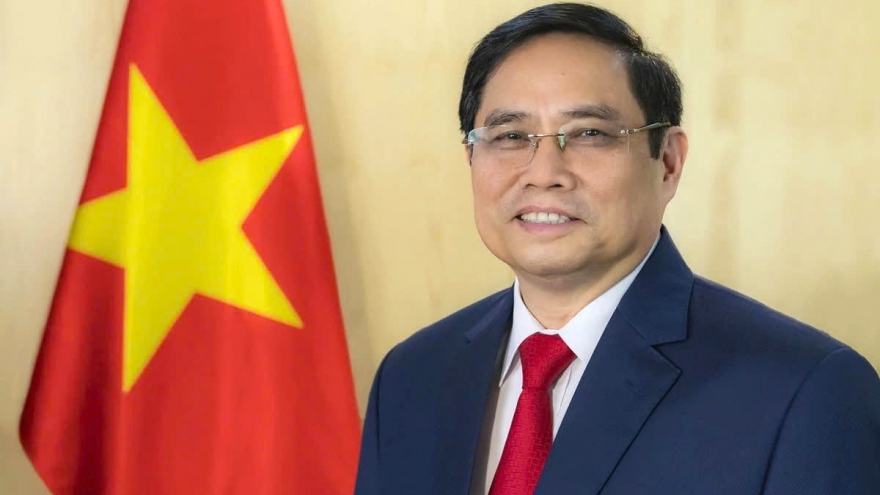
VOV.VN - Prime Minister Pham Minh Chinh is set to lead a high-level Vietnamese delegation on an official visit to Russia from March 22 to 25 at the invitation of his counterpart Mikhail Mishustin, aimed at deepening comprehensive cooperation and shaping a long-term vision for bilateral relations.

The visit comes at a pivotal moment for Vietnam following the successful organisation of the 14th National Congress of the Communist Party of Vietnam and the election of deputies to the 16th National Assembly and local People’s Councils for the 2026-2031 term. It reflects Vietnam’s broader strategy to accelerate economic development, strengthen international partnerships, and move toward its long-term goal of becoming a high-income, developed economy by 2045.
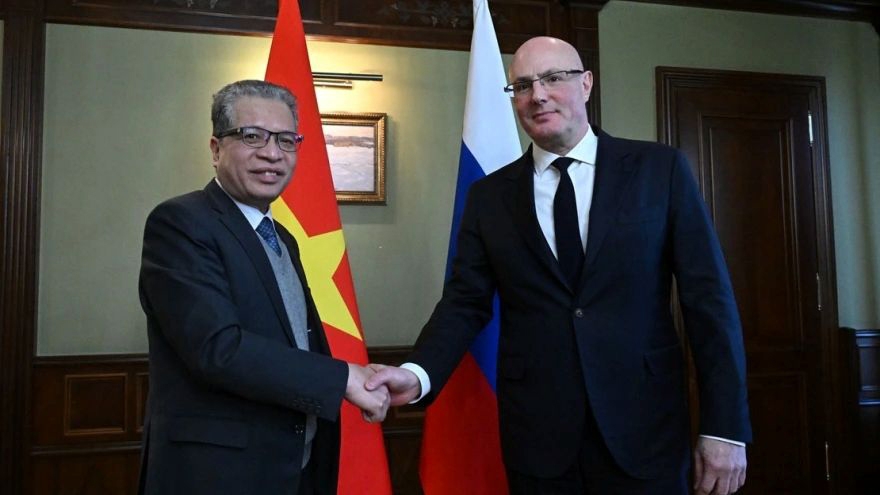
Vietnam and Russia have maintained a strong traditional friendship and a Comprehensive Strategic Partnership, underpinned by high political trust and sustained high-level exchanges. Recent interactions, including a congratulatory call from President Vladimir Putin to Party General Secretary To Lam following the Party Congress, have reinforced the strategic direction of bilateral ties.
This visit is expected to further consolidate political relations while expanding cooperation in key sectors such as trade, investment, energy, and infrastructure. Energy security is set to be a central topic, especially as the global energy market faces significant volatility. Russia is regarded as a strategic partner for Vietnam in ensuring stable energy supplies, with both sides seeking to deepen collaboration not only in trade but also in exploration, production, and human resource training in the oil and gas sector.
Beyond energy, the two countries are also looking to advance cooperation in science and technology, education and training, and cultural exchange. Russia is a key destination for Vietnamese students, with growing interest in scholarships and academic programmes. Cultural ties have also strengthened, highlighted by large-scale events such as Vietnam’s cultural festival in Moscow’s Red Square in 2025, which attracted nearly one million Russian and foreign visitors and boosted tourism flows between the two countries.
Infrastructure cooperation is another area of focus, with Vietnam keen to learn from Russia’s experience in urban rail development. The Prime Minister is expected to visit key metro-related facilities during the trip, reflecting Vietnam’s ambition to expand its urban transport systems.
As the first high-level visit by a Vietnamese leader to Russia in 2026, the trip is expected to open a series of important diplomatic engagements and agreements. It underscores both countries’ commitment to elevating cooperation across political, economic, and people-to-people channels, while reinforcing their shared strategic interests in a rapidly evolving global landscape.
PM’s official visit to bolster Vietnam-Russia Comprehensive Strategic Partnership
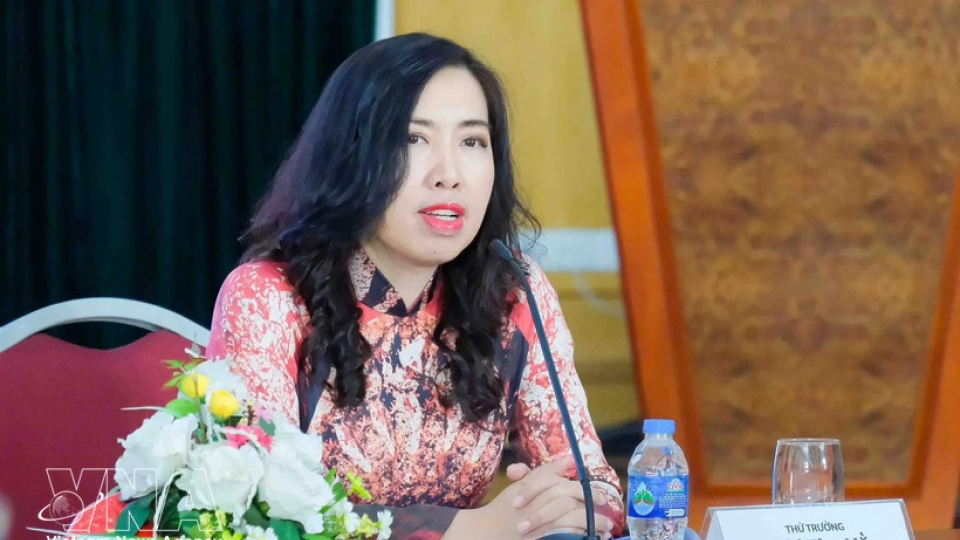
Prime Minister Pham Minh Chinh's official visit to Russia from March 22-25 will contribute to advancing the Vietnam–Russia Comprehensive Strategic Partnership in a more substantive, effective and sustainable manner, for the benefit of both countries' people and for peace, development in the region and the world.