Vietnam and Brunei to enhance ties with new strategic initiatives

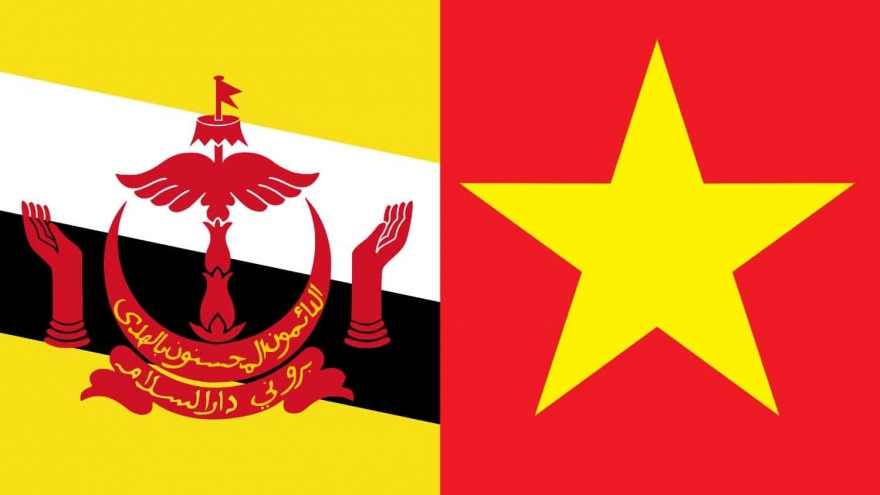
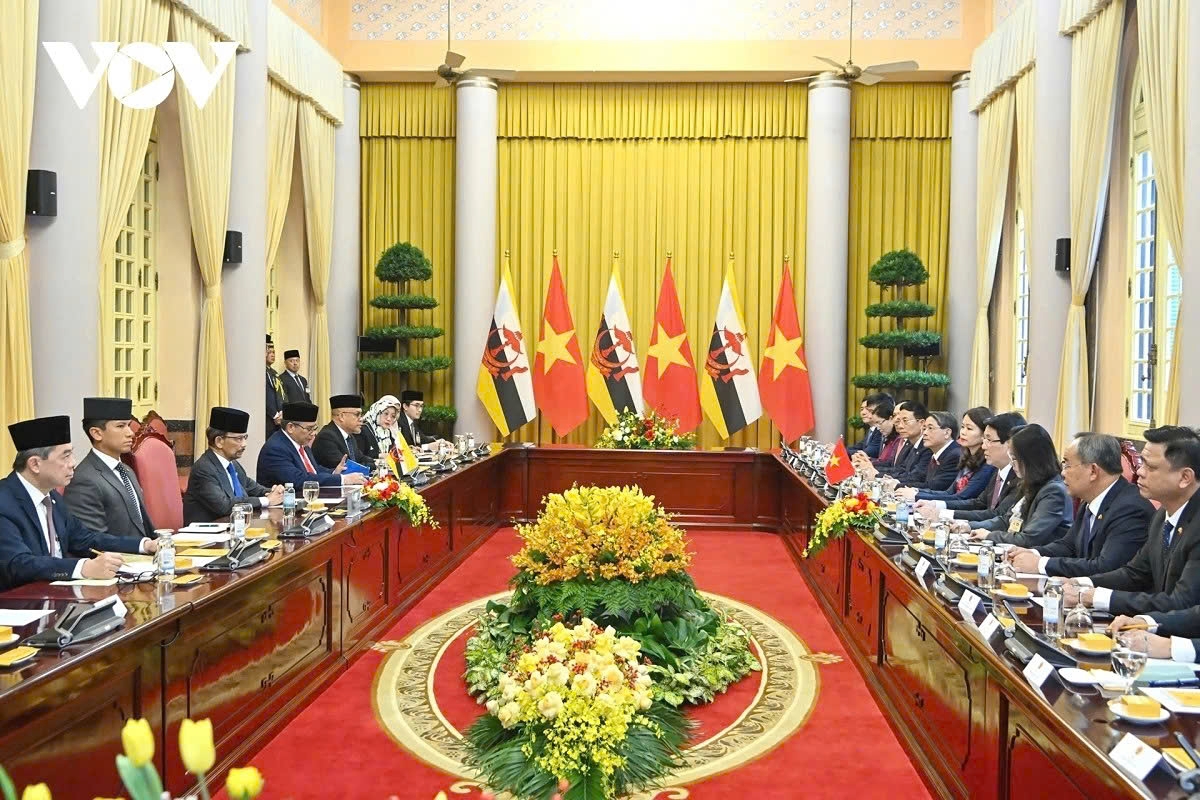
VOV.VN - President Luong Cuong of Vietnam and Sultan Haji Hassanal Bolkiah of Brunei have committed to deepening their countries’ bilateral relationship through new strategic initiatives.
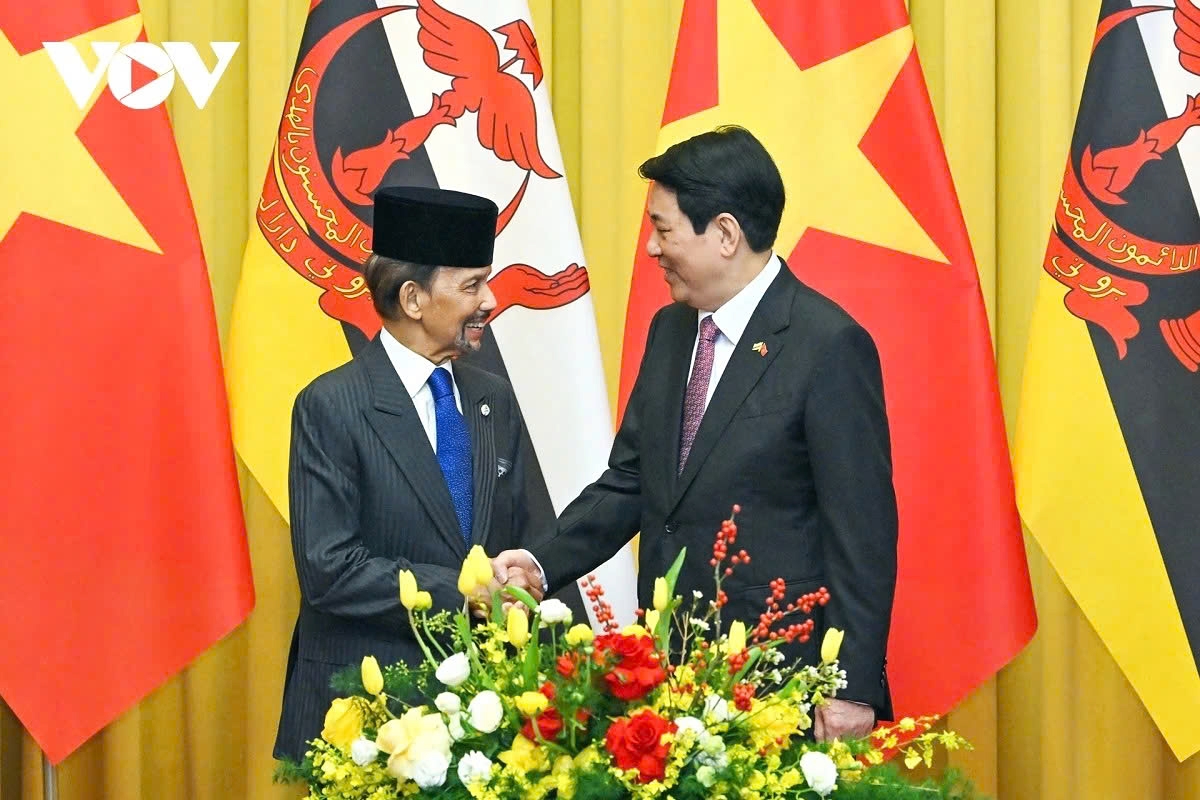
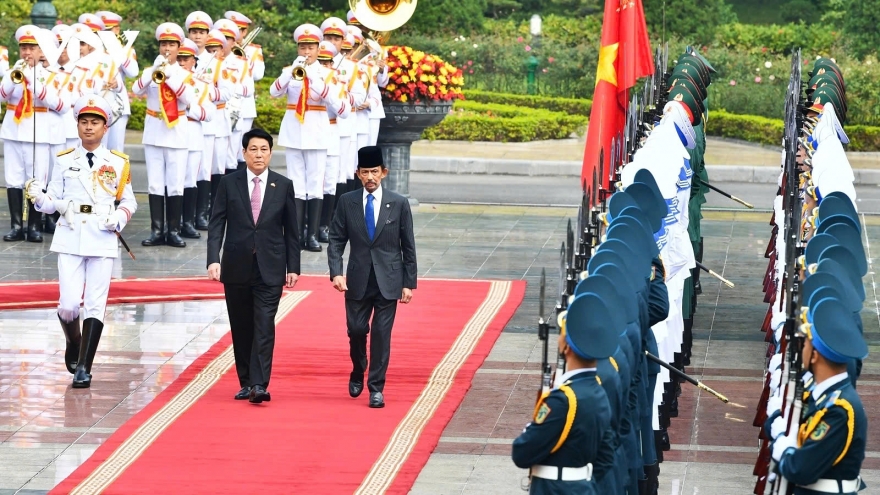
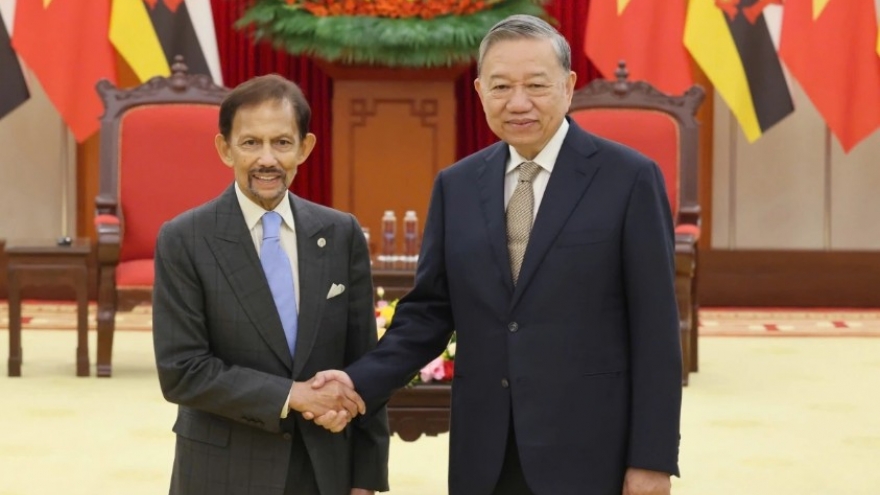
Their talks in December 1 in Hanoi highlighted key areas for cooperation, including trade, defence, and maritime security, underscoring both countries' shared vision for a prosperous and sustainable partnership.
President Cuong first warmly welcomed Sultan Haji Hassanal Bolkiah’s visit to Vietnam which he said would serve as a catalyst for revitalising the Vietnam-Brunei comprehensive partnership, focusing on mutually beneficial areas for growth and stability.
Both leaders expressed satisfaction with the current state of economic relations, with trade growing steadily. They set ambitious targets to double the bilateral trade volume, aiming for even stronger cooperation in sectors like energy, infrastructure, tourism, and agriculture.
Vietnam encouraged Brunei’s investors to explore opportunities in the country’s international finance hub, as well as in infrastructure, energy, and the growing tourism sector.
In return, Brunei's Sultan expressed keen interest in sharing expertise in Halal industries and pledged to work with Vietnam on expanding Halal-certified products.
Both sides also discussed facilitating mutual recognition of Halal certifications, which would unlock new market opportunities for the two countries.
Defence and security cooperation emerged as a key priority in bilateral talks. President Luong Cuong and Sultan Haji Hassanal Bolkiah agreed to strengthen defence cooperation, focusing on preventing organised crime, drug trafficking, human smuggling, and cybersecurity. They also discussed expanding collaboration within ASEAN and other multilateral defence forums.
The two leaders further pledged to continue their support for regional security, with a special emphasis on combating transnational crimes, as well as cyber threats, marking a shared commitment to enhancing global and regional peace and stability.
Both leaders reaffirmed their commitment to peaceful solutions in the East Sea. They agreed on the importance of ensuring freedom of navigation, mutual respect for international law, and collaboration on addressing illegal, unreported, and unregulated (IUU) fishing.
They welcomed the signing of a Memorandum of Understanding (MoU) on fisheries cooperation and the establishment of a hotline for sharing information on maritime law enforcement as part of the visit. These documents, they said, highlight a mutual resolve to tackle pressing issues in the maritime domain while ensuring the security and sustainability of shared waters.
The leaders also discussed the expansion of people-to-people connections, emphasising the importance of cultural exchanges, tourism, and educational collaboration. Both sides agreed to promote student exchanges, research cooperation, and cultural initiatives to enhance mutual understanding between their people. They consented to bolster their countries' tourism industries, exploring joint ventures in promoting cultural heritage and eco-tourism.
On regional and international issues, both leaders voiced their commitment to close cooperation within ASEAN, the United Nations, and other multilateral platforms. They stressed the importance of solidarity within ASEAN and pledged to work together to maintain peace, security, and stability in the region.
The Sultan expressed full support for Vietnam’s leadership roles in international forums, particularly as the country prepares for its chairmanship of the Comprehensive and Progressive Agreement for Trans-Pacific Partnership (CPTPP) in 2026.
Both countries also committed to supporting each other in efforts to address global challenges, including climate change, sustainable development, and international peace.
Looking ahead, the two leaders underscored the need to continue implementing the Vietnam-Brunei Action Programme for 2023-2027. They called for regular high-level visits, greater cooperation between legislative and executive bodies, and enhanced business connections to further strengthen the bilateral relationship.
The two leaders also stressed the importance of increasing people-to-people ties through education, culture, and tourism, ensuring that these efforts contribute to a deeper, more sustainable partnership.
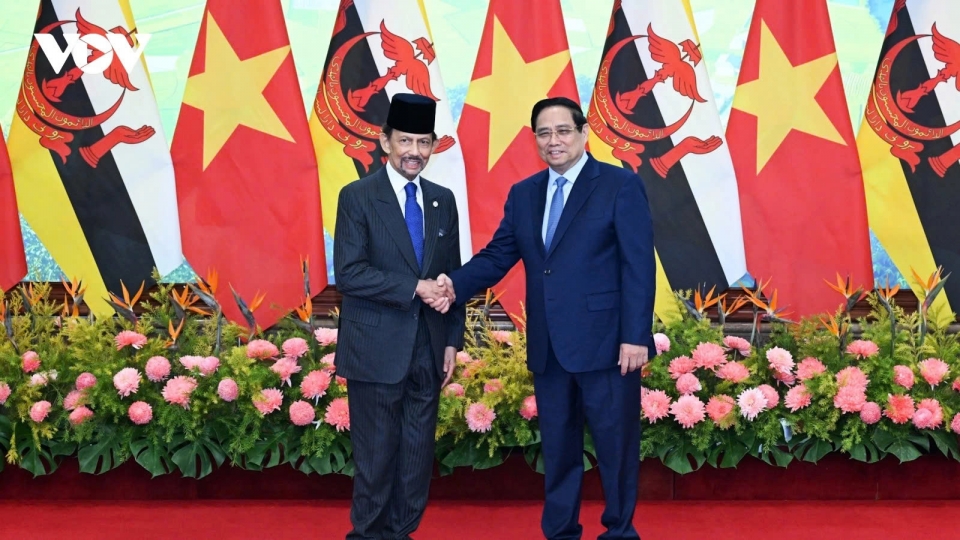
Vietnam prioritises fostering relations with Brunei
VOV.VN - Vietnam prioritises enhancing its comprehensive partnership with Brunei, reaffirmed Prime Minister Pham Minh Chinh during his meeting with visiting Sultan Hassanal Bolkiah of Brunei in Hanoi on December 1.