Party chief’s Cambodia visit underscores strategic priority, ambassador says

VOV.VN - Party General Secretary To Lam’s upcoming state visit to Cambodia underscores Vietnam’s strategic priority on relations with its neighbour and its readiness to share new development orientations following the Communist Party’s latest congress, according to the Ambassador of Vietnam to Cambodia.
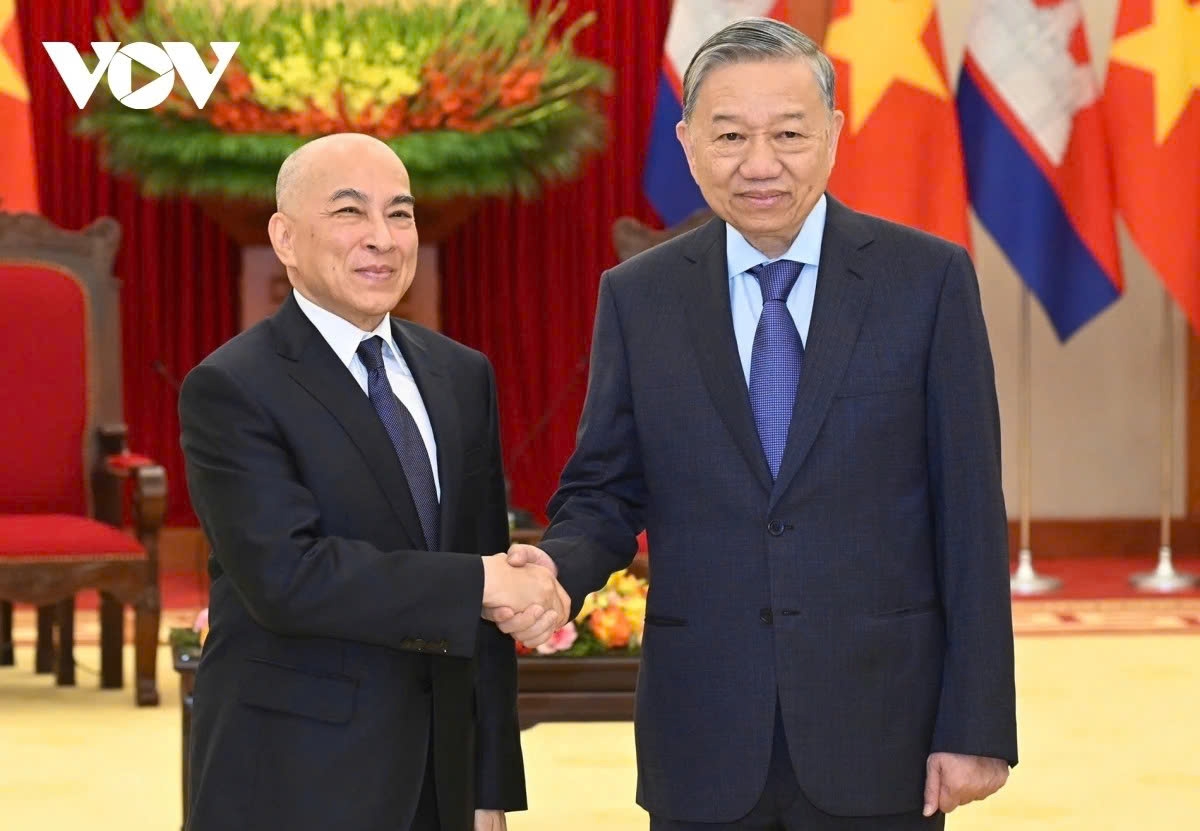
The visit on February 6, one of the Party leader’s first overseas trips after the 14th National Party Congress, sends a strong political message about continuity and the long-standing ties between the two ruling parties, governments and peoples, Ambassador Nguyen Minh Vu told reporters.
“Vietnam continues to attach the highest importance to its relationship with Cambodia, considering it a long-term pillar of Vietnam’s foreign policy,” said the diplomat.
He said the trip comes as Vietnam enters a new development phase and reflects the country’s desire to deepen strategic trust and promote more substantive cooperation across politics, defence and security, economy, trade, investment, culture and people-to-people exchanges.
He noted that Vietnam and Cambodia have recorded positive and wide-ranging progress in bilateral cooperation in recent years, with economic ties emerging as a bright spot.
Two-way trade reached a record US$11.33 billion in 2025, up 11.7% from 2024, providing a basis for both sides to work towards a longer-term target of US$20 billion.
Vietnam is among the five largest foreign investors in Cambodia, with nearly US$3 billion in registered capital across sectors including telecommunications, agriculture, energy, manufacturing, distribution and finance.
Metfone, a joint venture of Vietnam’s Viettel Group in Cambodia, is among the country’s top five corporate taxpayers.
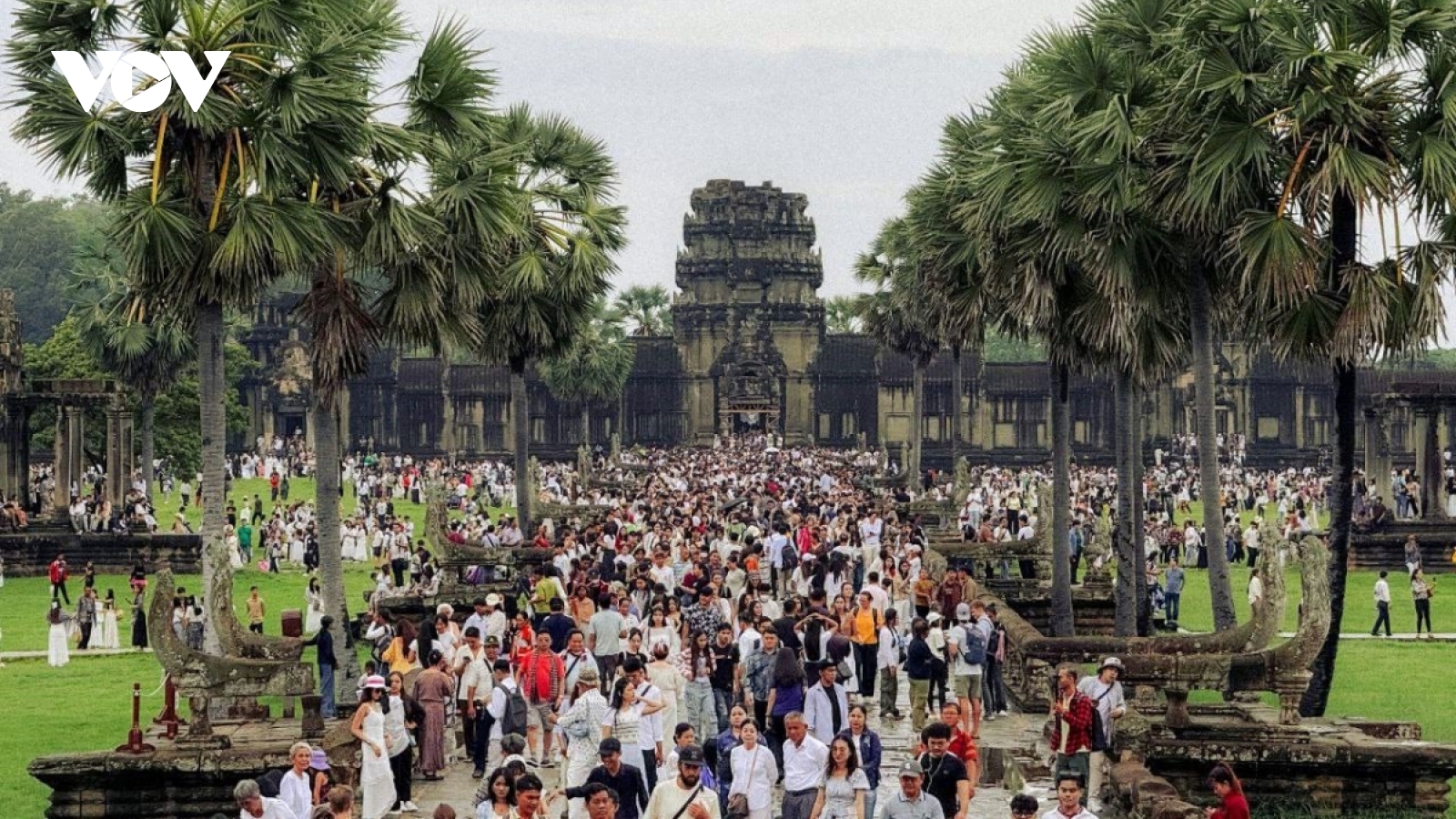
Tourism and people-to-people exchanges have also expanded, with more than 1.2 million Vietnamese visiting Cambodia last year, while nearly 690,000 Cambodians travelled to Vietnam.
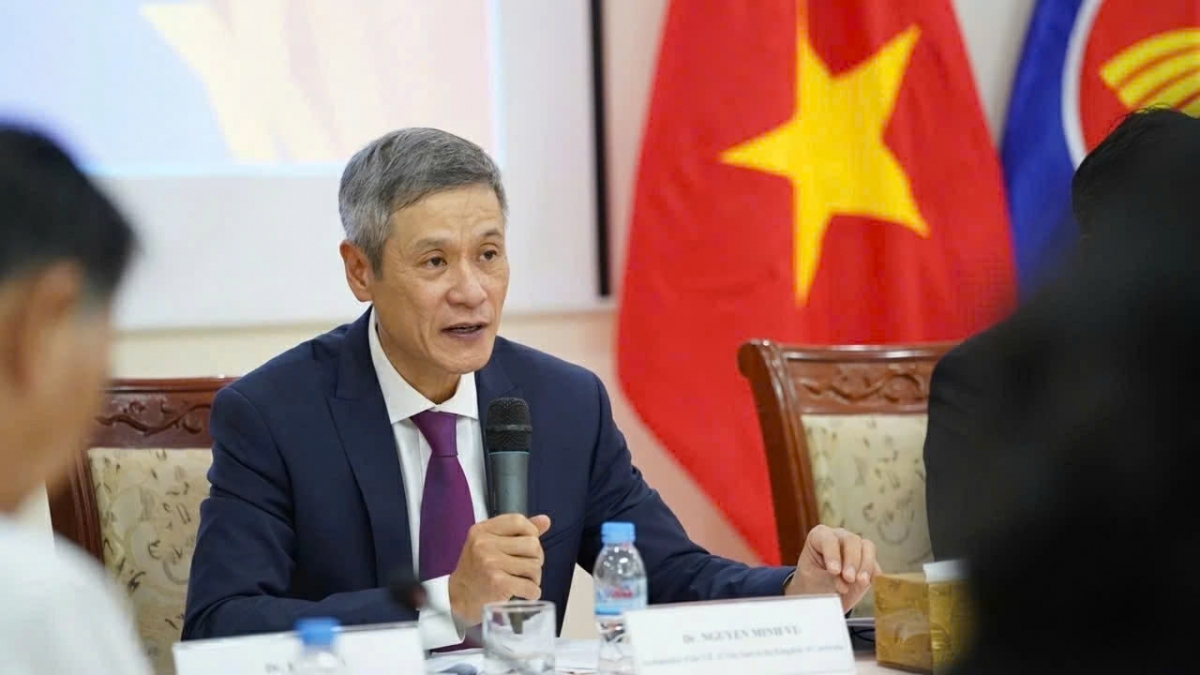
Looking ahead, strategic connectivity is expected to be a breakthrough in bilateral cooperation, Vu said, citing the opening of the Tan Nam–Meun Chey international border gate in late 2025 as a step toward developing dynamic cross-border economic zones.
The two countries are also discussing major infrastructure projects, including a highway linking Phnom Penh with Ho Chi Minh City and a sea transport route between Kampot and Phu Quoc, aimed at reducing logistics costs and boosting competitiveness.
The ambassador revealed that during the visit, Party General Secretary To Lam and Cambodian People’s Party (CPP) President and Senate President Samdech Techo Hun Sen will co-chair a high-level meeting between the Communist Party of Vietnam’s Politburo and the CPP Standing Committee.
The leaders will discuss global and regional issues, assess recent cooperation and set directions for future ties, while reaffirming that solidarity and mutual support between the two parties and countries are a vital source of strength and a legacy to be safeguarded for future generations.
Amid an increasingly volatile global environment, political trust between Vietnam and Cambodia remains a strong anchor for stable and sustainable bilateral relations, said the diplomat.
“Building on their shared history and solidarity, Vietnam–Cambodia relations will continue to deepen in a practical and effective manner for the benefit of both peoples and for regional peace and stability,” he said.
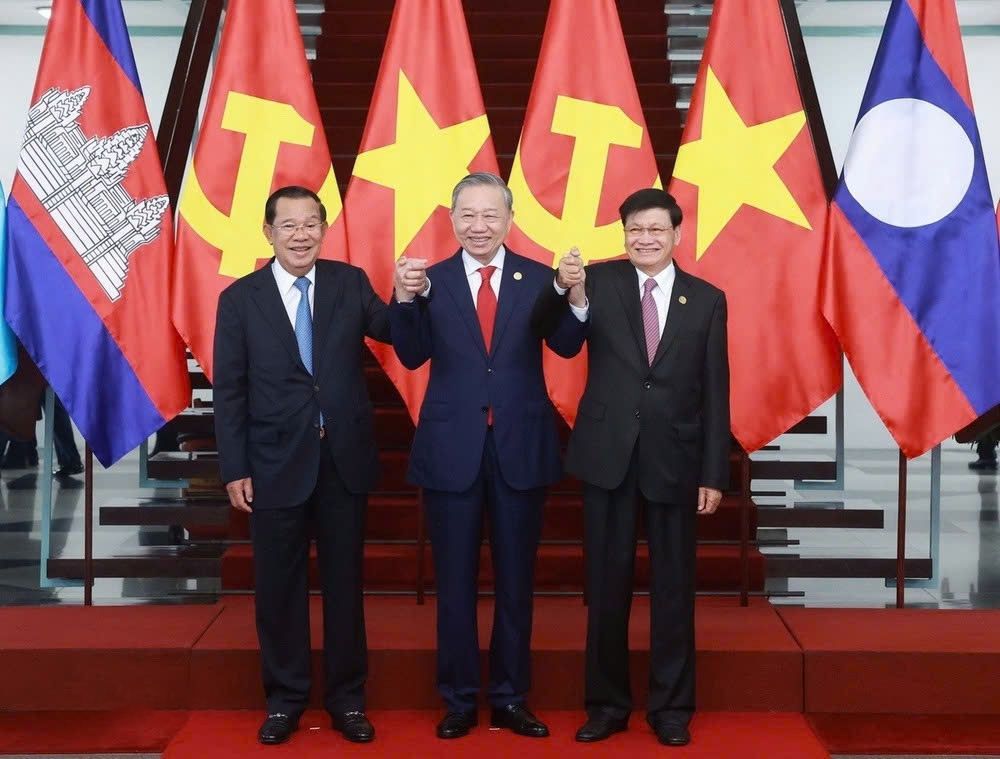
The Party leader is also expected to co-chair a meeting of the leaders of the ruling parties of Vietnam, Cambodia and Laos, highlighting the central role of party-to-party ties in shaping trilateral cooperation.
The meeting will reaffirm the close, long-standing and strategic ties among the three neighbouring countries, underscoring their consistent policy of giving top priority to the traditional friendship among the three parties, states and peoples of Vietnam, Cambodia and Laos. It will also stress that political relations remain the foundation, with party-to-party ties playing a guiding role in shaping state-to-state relations, thereby promoting effective cooperation in defence and security, economic connectivity, trade, investment, culture, education and science and technology.
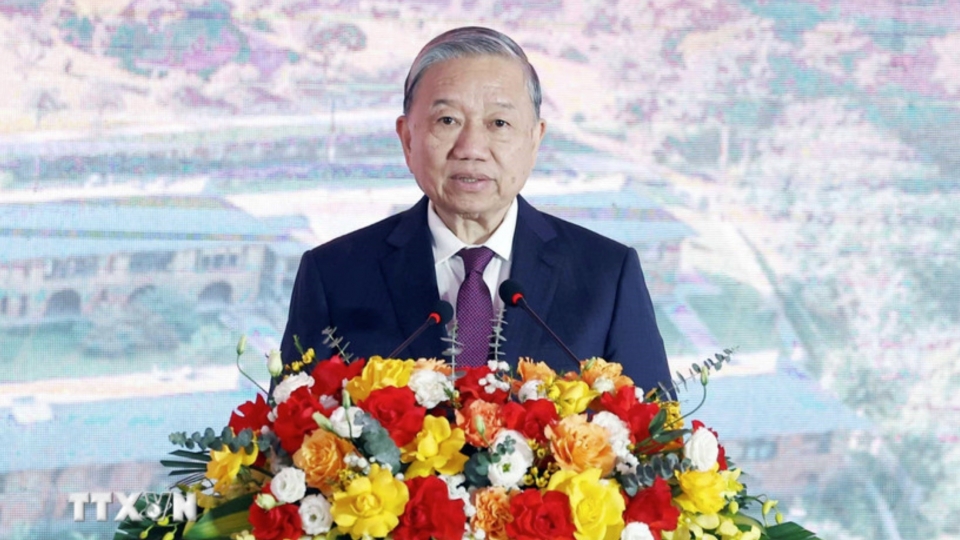
Party General Secretary To Lam to pay state visit to Cambodia
VOV.VN - General Secretary of the Communist Party of Vietnam (CPV) Central Committee To Lam is set to lead a high-ranking Vietnamese delegation on a state visit to Cambodia at the invitation of Cambodian King Preah Bat Samdech Preah Boromneath Norodom Sihamoni, according to a communiqué released by the Ministry of Foreign Affairs on January 31.