14th National Party Congress: Breakthroughs to make science pillar of national development

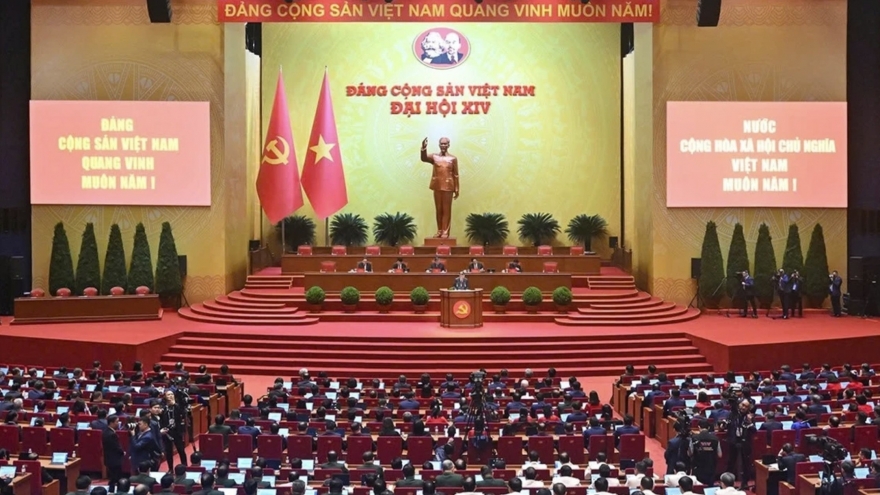
VOV.VN - Towards the 14th National Party Congress, Vietnamese intellectuals in Western Europe have placed high expectations on strategic changes to make science and technology a driver of economic and national development.
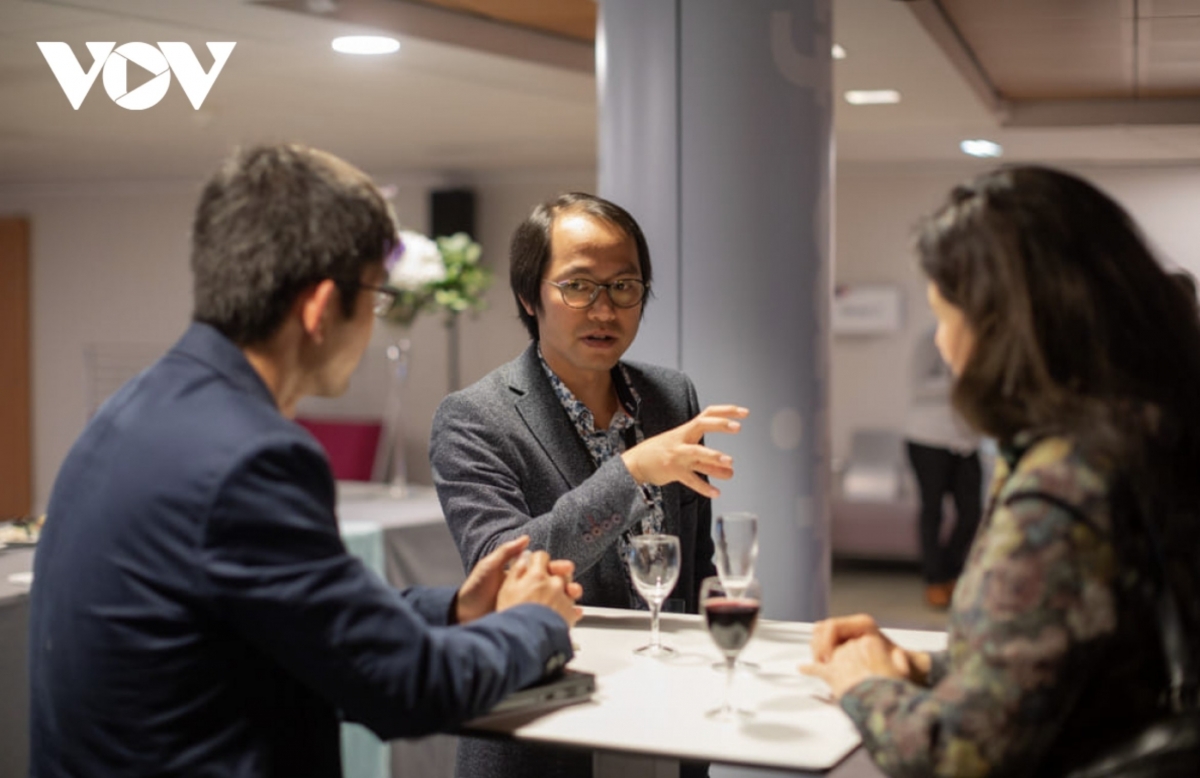
Amid widespread concerns and a desire to contribute to national development, Tran Nhu Cuong, PhD, a senior expert at Electricite de France (EDF), said the goal of becoming a developed country by 2045 can only be achieved through a decisive transformation.
“The only viable path, and one that many successful countries have taken, is to bring about a qualitative change toward developing a knowledge-based economy grounded in science and technology,” Cuong said.
According to Cuong, the key lies in clearly defining mechanisms for two core areas. For basic science, the country needs a stable and sufficiently large investment fund to support long-term research, along with a clear and transparent evaluation mechanism. For applied research, tax incentives and the protection of intellectual property rights would help strengthen incentives for enterprises.
From the perspective of training and linkages, Bui Nguyen Hoang, Chairman of the network of overseas Vietnamese nuclear energy experts (VietNuc) who is currently working in the United Kingdom, said the role of research institutions needs to be redefined.
“Higher education should not only be a place for transmitting knowledge but must become a creative space where new knowledge is generated. The State needs to play an enabling role by creating mechanisms that allow enterprises to become centers for the application and commercialization of research plans,” Hoang said.
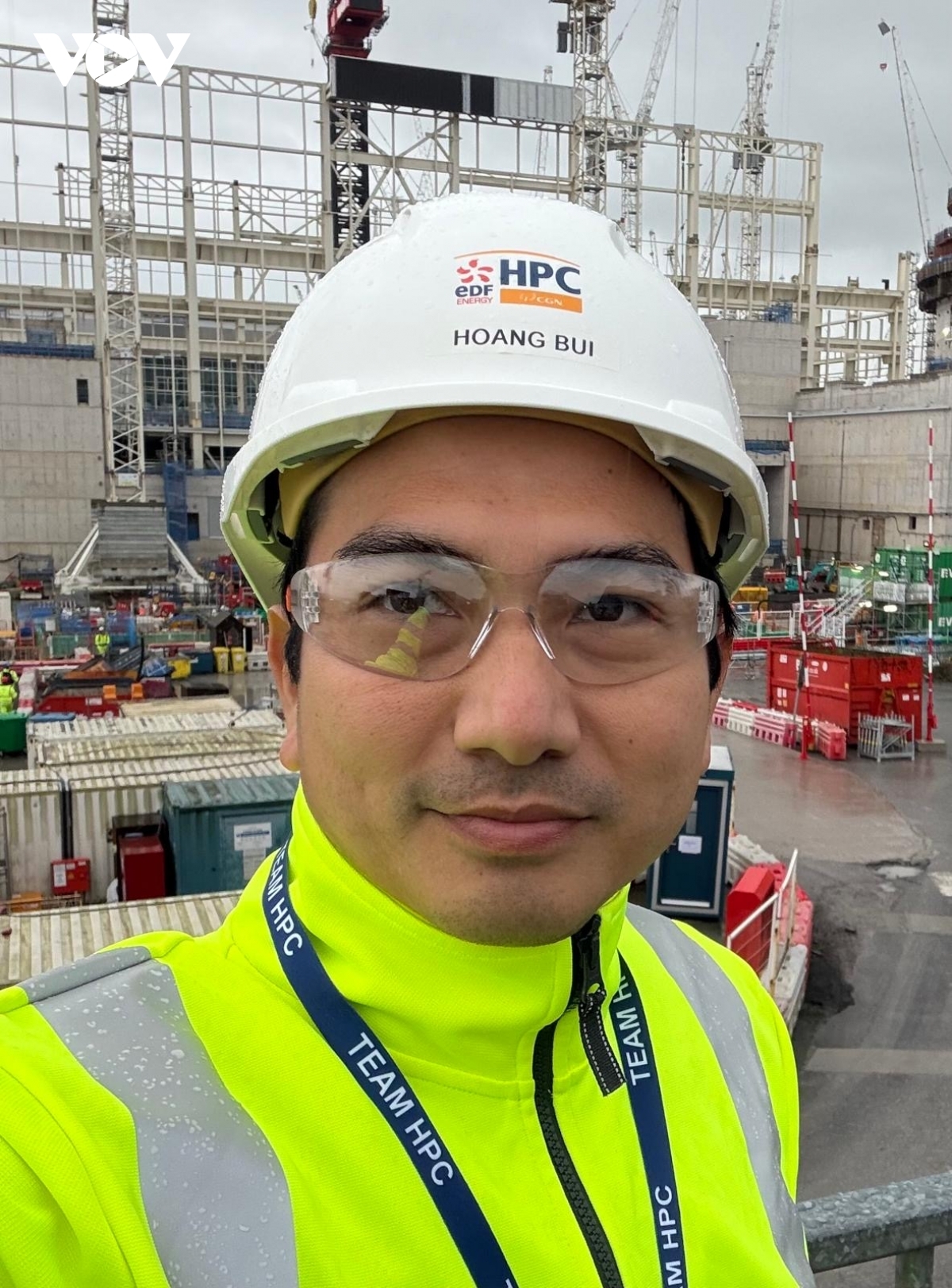
With regard to nuclear power, Hoang expressed his expectation that the 14th National Party Congress would shape a long-term vision in which “nuclear safety must be defined as a prerequisite principle,” with a safety culture embedded from policymaking to design and operation.
Another practical point raised by experts is that talent utilization should not stop at slogans. Cuong said the more critical task is to ensure appropriate mechanisms and financial support for domestic research teams, which he described as the core foundation.
“If the domestic research workforce is weak, no appeal will be sustainable in the long term. Overseas Vietnamese intellectuals may not be wealthy, but they are not financially constrained. What they need first is capable partners and effective collaboration at home,” he said.
Sharing the view on strengthening the position of scientists, Hoang proposed that policies and mechanisms be introduced to grant them roles in management, strategic planning and the implementation of key science and technology programs. Overseas Vietnamese experts, he said, should be recognized as an integral component of national resources.
In the digital era, Nguyen Huu Nghia, PhD in computer science in France, expressed his confidence in the strategic orientations expected from the congress.
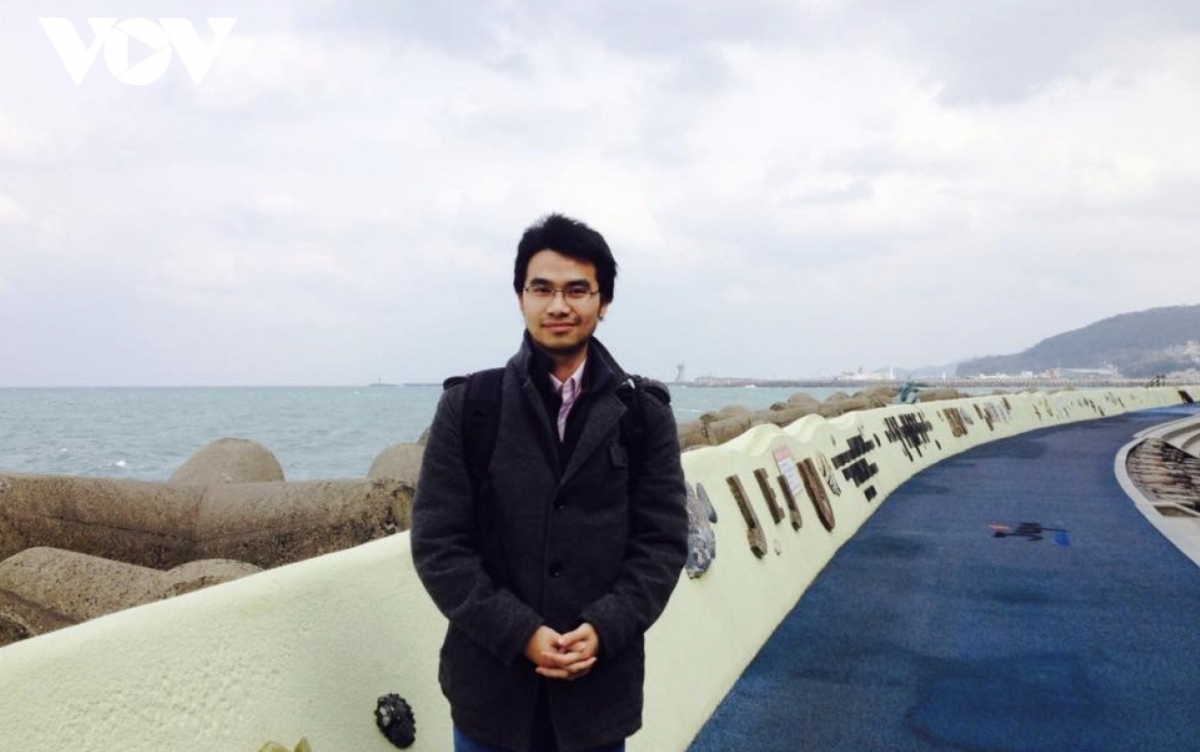
“I trust and expect that the 14th National Party Congress will continue to adopt coordinated strategic decisions to ensure data safety and security for the people and the country, while further facilitating international cooperation and expanding research exchange programs,” Nghia said.
Expectations from the Vietnamese intellectual community in Western Europe are converging toward the 14th National Party Congress, reflecting aspirations for a transparent scientific environment in which knowledge is respected and becomes the highest measure of national development.
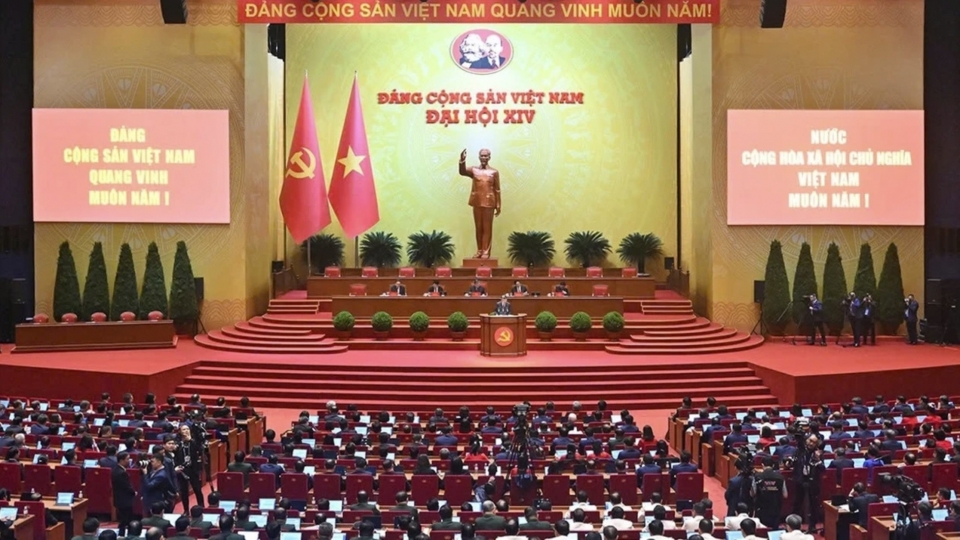
14th National Party Congress opens, ushering in new development era
VOV.VN - The 14th National Party Congress opened solemnly on January 20, at the National Convention Center in Hanoi, and is scheduled to run from January 19 to January 25 under the motto “Solidarity- Democracy-Discipline-Breakthrough-Development.”
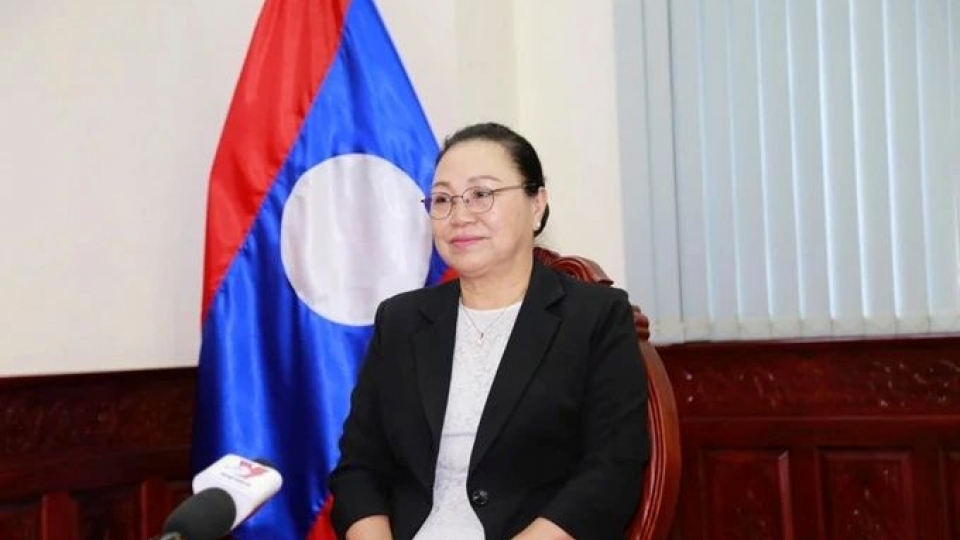
Why Vietnam’s 14th Party Congress matters to Laos and Cambodia
VOV.VN - As the Communist Party of Vietnam is holding its 14th congress, diplomats and scholars in Laos and Cambodia have voiced strong expectations that the event will open a new development phase for Vietnam while generating positive momentum for regional cooperation based on peace, stability and sustainable growth.