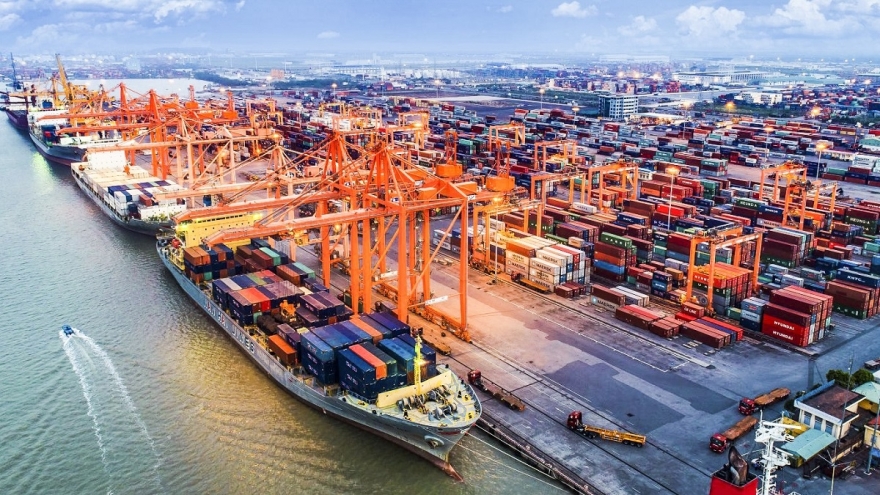
MoF proposes halving environmental tax on fuel to ease price pressures

VOV.VN - The Ministry of Finance (MoF) has proposed cutting the environmental protection tax on petrol and oil products by up to 50% in an effort to reduce domestic retail fuel prices and ease cost pressures on businesses and consumers.
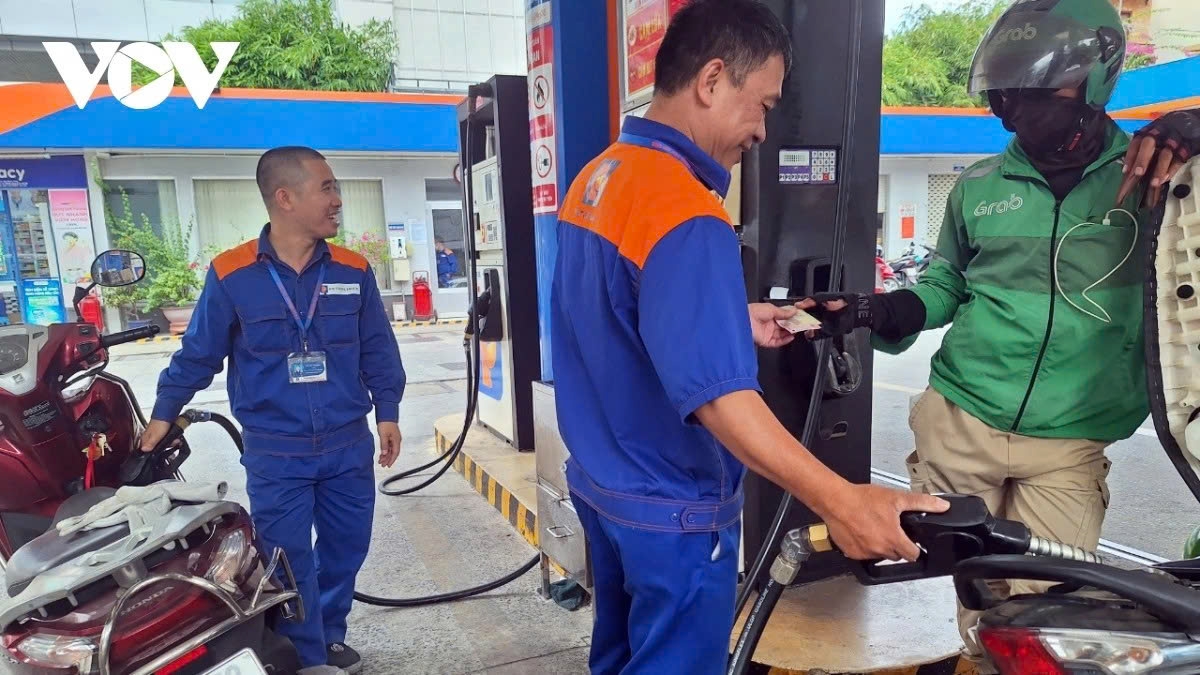
The proposal is currently under public consultation as part of a draft resolution to be submitted to the Standing Committee of the National Assembly.
Under the draft, the environmental tax on petrol (excluding ethanol) would be reduced from VND2,000 to VND1,000 per litre. Similarly, the tax on diesel would be halved from VND1,000 to VND500 per litre.
For aviation fuel, authorities propose lowering the tax to VND1,000 per litre, down by VND500 compared to the current rate.
The policy is expected to take effect from the date of approval until June 30. If necessary, the duration may be extended based on recommendations from the Ministry of Industry and Trade, with the Ministry of Finance responsible for consolidating and submitting proposals to the government.
Earlier this month, the government also reduced import tariffs on fuel products to 0% through the end of April, a move estimated to cut state budget revenues by more than VND1 trillion.
According to the Ministry of Finance, environmental protection tax is an indirect tax included in the retail price of goods. If the proposed cuts are implemented, retail petrol prices, after accounting for the impact of value-added tax reductions, could decrease by approximately VND1,080 per litre. Diesel and aviation fuel prices are expected to fall by around VND540 per litre.
However, officials noted that domestic fuel prices are largely influenced by global refined fuel prices, meaning the actual price reduction will depend on international market fluctuations.
With the proposed tax cuts and implementation timeline, state budget revenue is estimated to decline by approximately VND1.79 trillion per month. Despite this, the measure is seen as a necessary step to support households and businesses amid rising input costs.
The proposal comes as global fuel prices have surged sharply over the past two weeks linked to the ongoing Middle East tensions, with average fuel prices increasing by 16–19%. Domestically, market regulators have jointly adjusted domestic retail prices while also utilising the fuel price stabilisation fund.
Politburo requests coordinated measures to ensure fuel supply, stabilise prices
VOV.VN - The Politburo of the Communist Party of Vietnam has called for the synchronised implementation of multiple measures to ensure fuel supply and stabilise petroleum prices amid increasing global volatility.