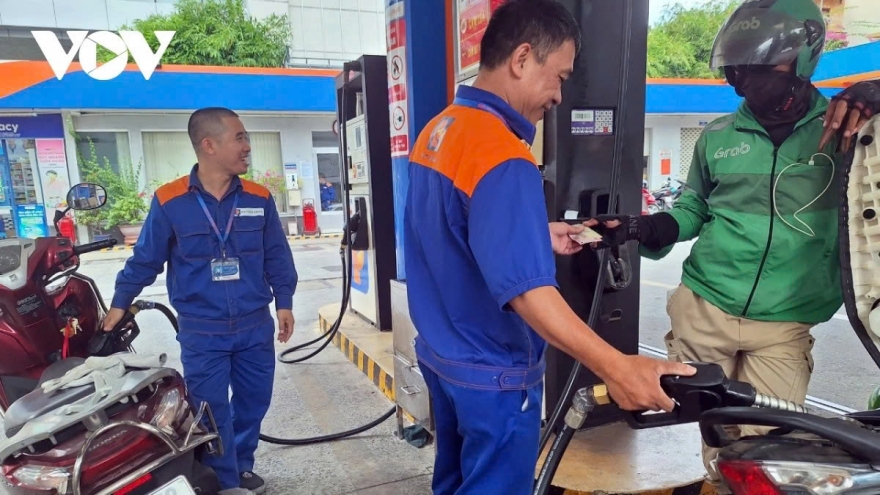
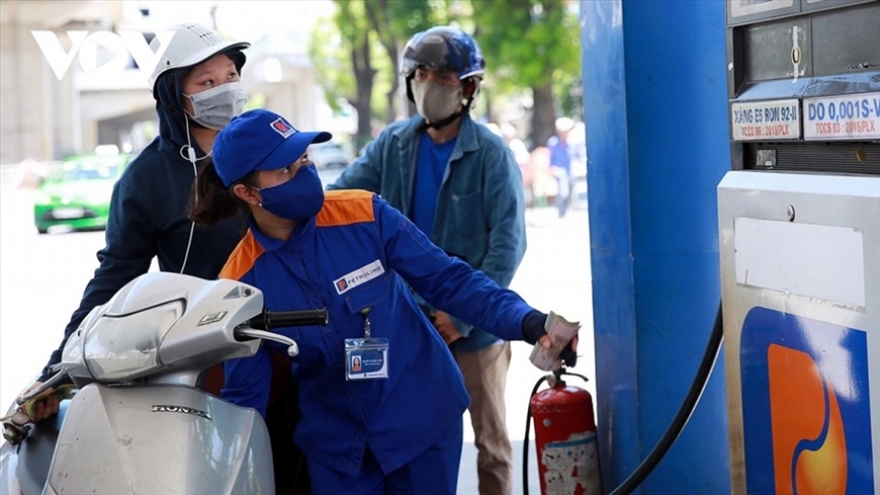
Efforts intensified to curb fuel smuggling amid global supply pressures

VOV.VN - Vietnam is stepping up efforts to curb cross-border fuel smuggling as global supply disruptions and rising oil prices place increasing pressure on the domestic market.
Heightened tensions in the Middle East have disrupted global energy supply chains, pushing up fuel prices and transportation costs while raising concerns over potential shortages globally, including in Vietnam. Against this backdrop, price differences between Vietnam and neighbouring countries have created incentives for illicit fuel trading, with smuggling networks becoming more organised and sophisticated.
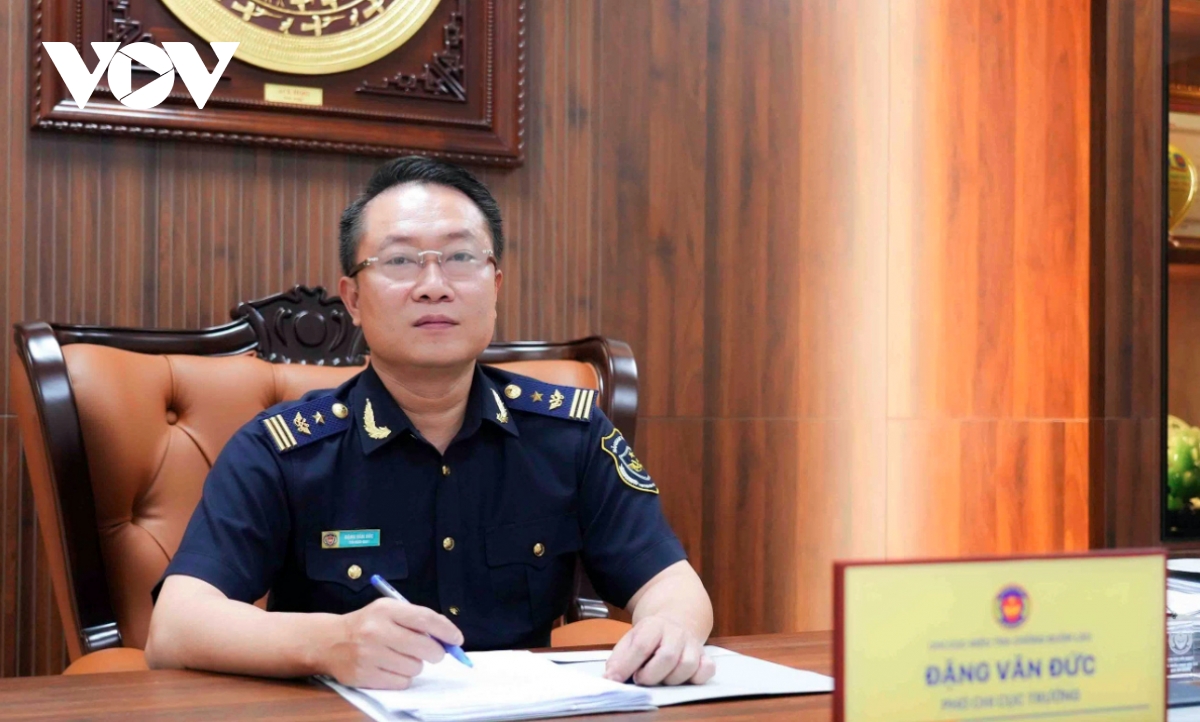
Dang Van Duc, deputy head of the Anti-Smuggling Investigation Division under Vietnam Customs, said volatility in global energy markets is directly affecting domestic supply stability, making it more challenging to maintain adequate supply and reasonable pricing.
“The situation of fuel smuggling is becoming more complex, with increasing scale and professionalism, no longer limited to small-scale operations,” Duc admitted in a recent interview with VOV.
Smuggling networks expand across key routes
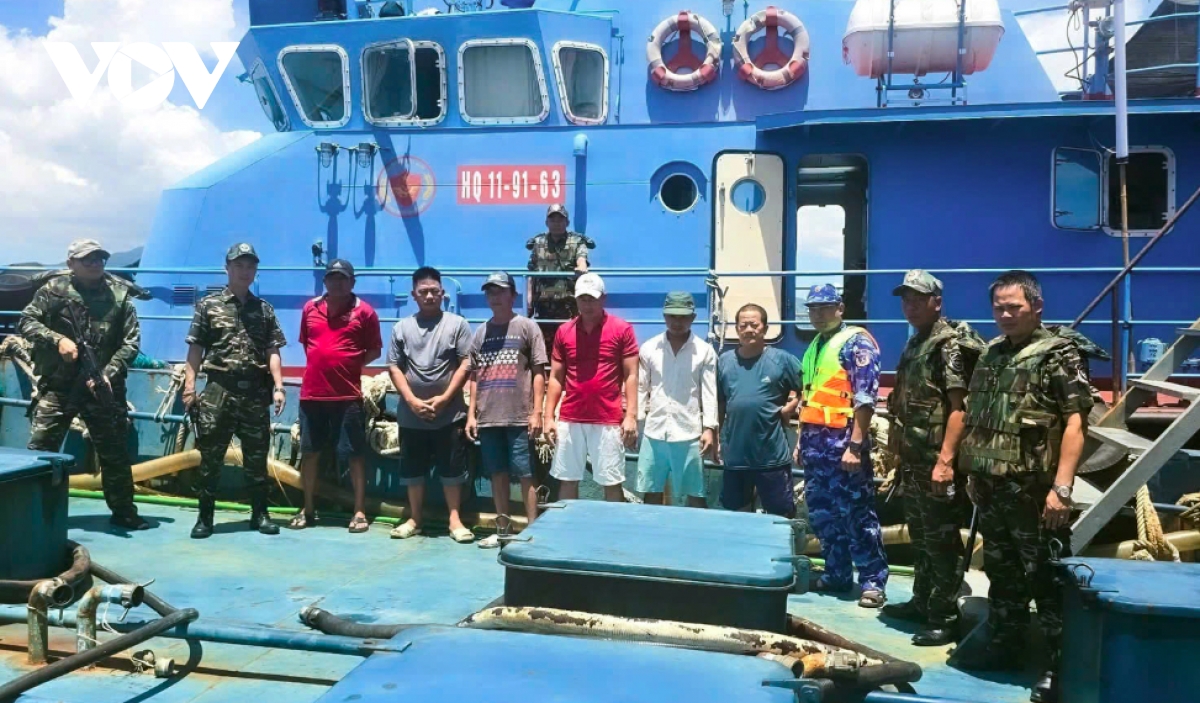
According to the customs officer, smuggling operations are increasingly organised across regions and even transnationally, with activity concentrated along offshore maritime routes, international bordering waters and major ports such as Hon Gai, Cam Pha and Hai Phong in the north, and Vung Ang, Da Nang, Cam Pha and Van Phong in the central region.
Land border crossings, inland waterways and busy checkpoints are also considered high-risk areas due to complex terrain and heavy traffic flows. In the first quarter of 2026 alone, customs authorities uncovered several major cases, including the illegal transport of around 60,000 litres of diesel at sea, underscoring the growing scale and sophistication of such operations.
Smugglers are adopting increasingly complex methods to evade detection. These include conducting illegal ship-to-ship fuel transfers at sea through intermediary vessels, disabling or manipulating Automatic Identification System (AIS) tracking systems, and using unregistered or modified boats such as fishing vessels or logistics support ships. In some cases, documentation is falsified or fuel quantities and types are misdeclared, while certain networks exploit temporary import–re-export and transshipment mechanisms to disguise illicit activities. Fuel is often moved through multiple stages and locations to obscure its origin.
Some groups even purchase fuel directly from foreign vessels offshore before redistributing it to fishing boats or transporting it inland for consumption, making detection and enforcement significantly more difficult.
Coordinated measures intensified to safeguard supply
To address these challenges, Vietnam Customs has implemented a range of coordinated enforcement measures, including enhanced intelligence gathering, risk analysis and maritime surveillance. Targeted patrols have been increased in high-risk areas, while specialised task forces have been established to dismantle large-scale smuggling networks rather than handling isolated cases.
Coordination with other forces, including border guards, coast guard and police, has also been strengthened to improve information sharing and joint operations. According to Duc, these synchronised efforts have helped authorities detect and promptly handle major violations, contributing to broader deterrence.
The agency has also issued directives requiring local customs units to intensify inspections at land border gates, inland waterways and seaports, ensuring tighter control across the system.
Despite intensified efforts, enforcement remains challenging, particularly in offshore areas where monitoring is difficult. Smuggling activities are often carried out at night using modified or unregistered vessels, complicating both detection and evidence collection. While inter-agency coordination has improved, it has not always kept pace with the speed and sophistication of smuggling networks.
Duc stressed that in the context of ongoing global supply uncertainties, tightening control over fuel flows is not only a matter of market regulation but also essential for safeguarding national energy security.
Vietnam Customs will continue to strengthen oversight, enhance early detection and strictly handle violations in a bid to maintain stable supply, protect the domestic market and safeguard the legitimate interests of businesses and consumers, he said.
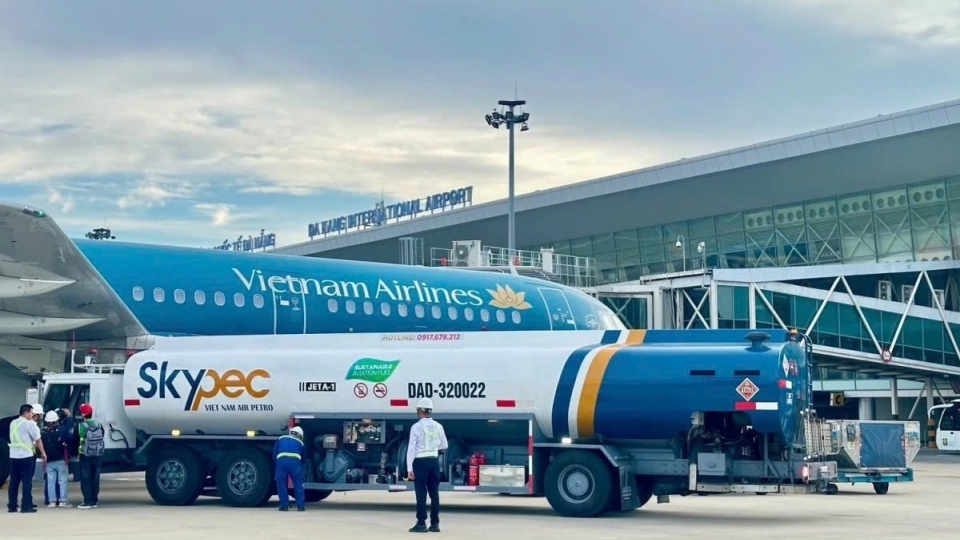
Regulators draft aviation scenarios as Jet fuel prices surge
VOV.VN - The Ministry of Construction has instructed the Civil Aviation Authority of Vietnam (CAAV) to develop operational scenarios for the aviation sector amid volatile Jet A1 fuel prices and potential supply disruptions.