


Vietnam’s trade surpasses US$1 trillion as domestic value-added challenge persists

VOV.VN - Vietnam’s merchandise trade surpassed US$1 trillion in the first 10 months of 2026, marking a major milestone in the country’s global economic integration, but its heavy reliance on foreign-invested manufacturers highlights the need to capture more value domestically.
Total import and export turnover reached an estimated US$1,010.6 billion from January to October, up 32.3% year on year, according to the Ministry of Industry and Trade. Exports amounted to approximately US$499 billion, an increase of 27.4%. In October alone, two-way trade reached US$122.2 billion, up 47.6% from a year earlier.
The expansion reflects Vietnam’s growing role in global manufacturing and supply chains. Export growth was recorded in both domestic and foreign-invested enterprises, while processed and manufactured industrial products accounted for 87.4% of total export turnover. Major markets, including China, the United States, the European Union, the Republic of Korea and ASEAN, continued to post positive growth.
However, the headline figures mask structural weaknesses in the domestic economy, particularly the limited contribution of Vietnamese-owned businesses to high-value manufacturing exports.
Foreign-invested firms dominate exports
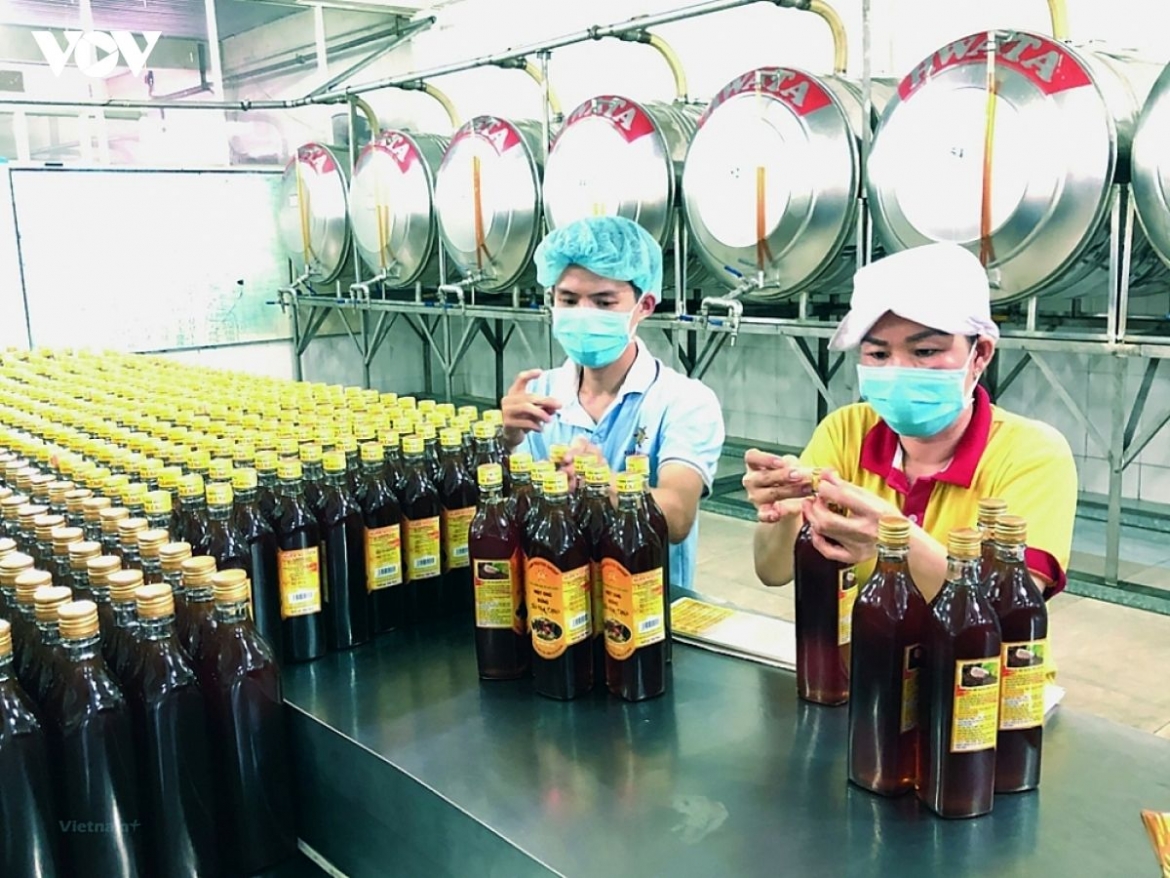
Economist Le Quoc Phuong agreed that Vietnam’s trade performance demonstrated the depth of its integration into the global economy and its growing importance as a production and supply-chain hub for international companies.
Yet he warned that the scale of exports should not be confused with the value retained by the domestic economy. Foreign-invested enterprises account for around 80% of Vietnam’s total exports, while domestic businesses contribute approximately 20%, according to official figures for the first eight months of 2026.
Vietnamese-owned companies remain more prominent in sectors such as agriculture, forestry, fisheries and wooden products, while many high-value industrial exports are dominated by foreign-invested manufacturers. This limits the extent to which local businesses participate in advanced production, technology development and higher-value stages of global supply chains.
The trade balance also warrants attention. Vietnam recorded an estimated trade surplus of US$6.8 billion in October, narrowing its cumulative trade deficit for the first 10 months to around US$12.7 billion. The figures underline the importance of examining imports alongside exports, particularly as manufacturers depend on imported machinery, components and production materials.
Strategy targets greater domestic participation
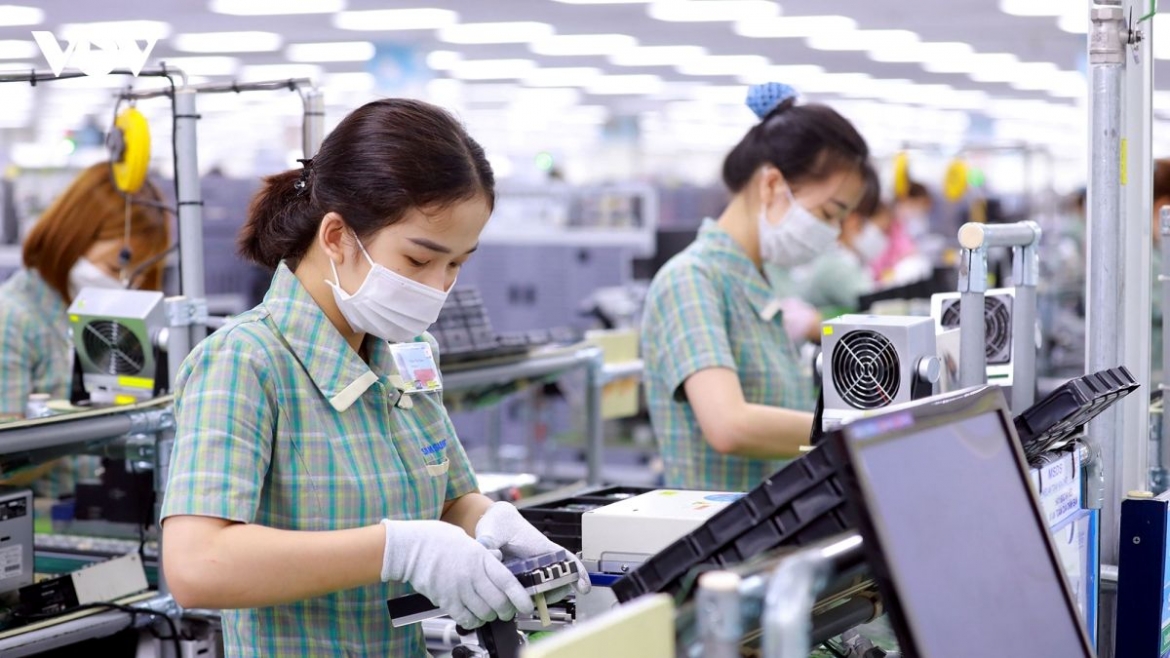
The Ministry of Industry and Trade is drafting a new strategy for merchandise imports and exports through 2030, with a vision to 2045. The draft targets average annual export growth of 15–16% and import growth of 12–13% during 2026–2030.
A central objective is to increase the contribution of domestic enterprises to national exports from around 20% to 28–30% by 2030, rising to 38–40% by 2045. The strategy also seeks to raise the share of processed and refined products in total exports to 89–90% by 2030 and more than 92% by 2045.
The draft sets out three export scenarios for 2030. Under the medium-growth scenario, exports would reach US$953.7 billion; the high-growth scenario puts the figure at US$1,041.1 billion, while the low-growth scenario projects US$765 billion.
Phuong said the key challenge was not simply to increase export turnover but to raise domestic value added, strengthen industrial autonomy and move Vietnamese companies beyond contract manufacturing and assembly into higher-value activities, including component production, design and manufacturing.
For Vietnam, the next stage of trade development will therefore depend not only on how much the country sells overseas, but also on how much technology, expertise and economic value its domestic businesses can contribute to those exports.
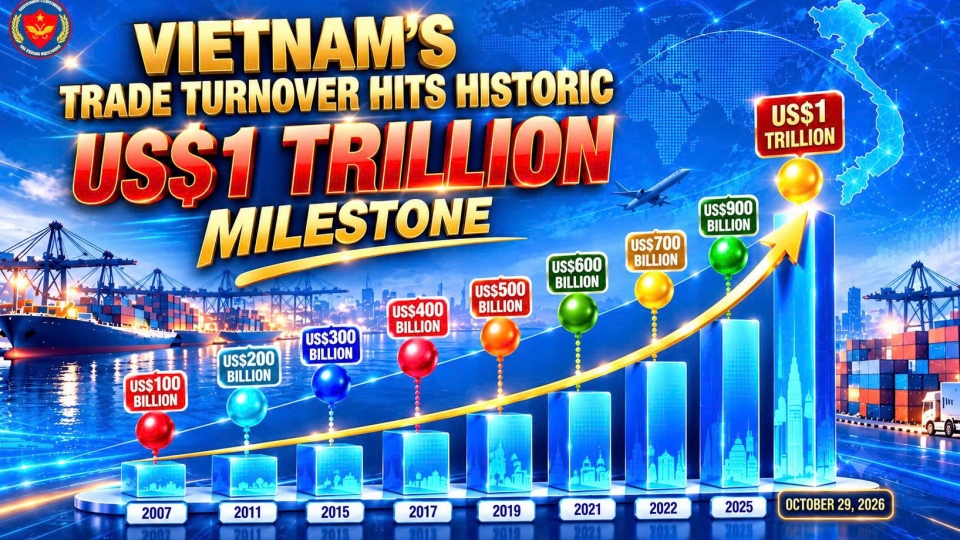
Vietnam's trade turnover hits historic US$1 trillion milestone
VOV.VN - Vietnam’s total trade turnover reached a historic US$1 trillion mark for the first time on October 29, reinforcing the country's position in global supply chains.


