


Exporters to ASEAN urged to strengthen risk management amid rising trade hurdles

VOV.VN - Vietnamese enterprises seeking a strong foothold in the Association of Southeast Asian Nations (ASEAN) must look beyond product quality and establish comprehensive risk management frameworks covering legal compliance, finance, and supply chains, trade experts have advised.

While ASEAN’s population of over 600 million offers huge export potential, limited understanding of local business practices, rules of origin, and distinct technical standards remains a primary hurdle for many domestic businesses.
Key risk factors and expert recommendations
According to Nguyen Thi Thu Thuy, Deputy Director of the Trade and Investment Promotion Center under the Vietnam Trade Promotion Agency (Viettrade), ASEAN offers logistical advantages due to its geographical proximity and expanding regional supply chains. Promising export sectors include agricultural goods, processed foods, seafood, beverages, consumer goods, textiles, building materials, and supporting industries.
However, Thuy warns exporters against intertwined risks involving partners, trade fraud, credit payments, exchange rates, legal compliance, and customs procedures. Flaws in partner vetting or contract terms can easily trigger logistical disputes, customs bottlenecks, and cash flow shortages.
Experts note that leveraging tariff preferences under the Regional Comprehensive Economic Partnership (RCEP) requires precision in filling out Certificates of Origin (C/O) and meeting local labeling and registration rules.
Hoang Duc Minh from the Import-Export Department under the Ministry of Industry and Trade cautioned that errors in C/O forms, incomplete documentation, or failure to comply with third-party invoicing rules can disrupt customs clearance. Exporters unable to prove origin compliance risk losing preferential tariffs and facing retroactive tax adjustments. He recommended proactive document audits and systematic record-keeping of raw materials and production data.
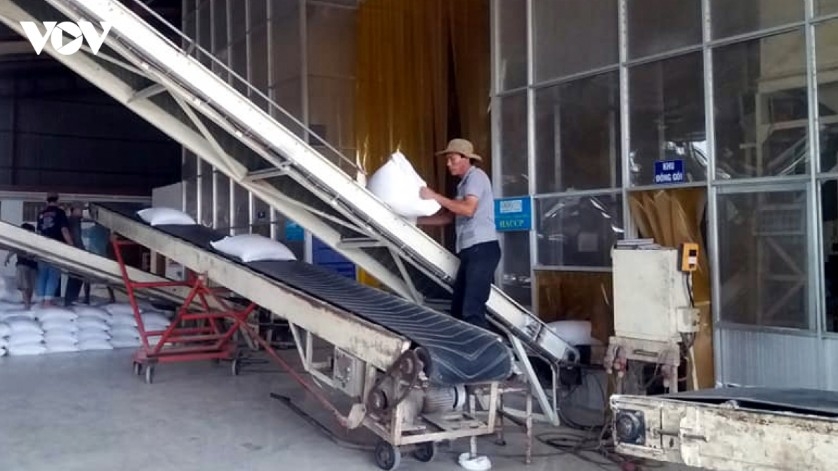
Strategic market entry and supply chain resilience
Assoc. Prof. Dr. Nguyen Ngoc Ha from Foreign Trade University emphasizes that enterprises should thoroughly research specific import regulations, including product standards, labeling, and distribution requirements, rather than relying solely on market demand or preferential tax rates. She advises adopting an "ASEAN+1" supply chain strategy to reduce single-market dependency and optimize logistics costs.
Highlighting realities in the Indonesian market, Pham The Cuong, Commercial Counselor at the Vietnam Trade Office in Indonesia, points out that many businesses confuse the legal roles of importers and distributors, or sign exclusive distribution contracts based on short-term costs without long-term strategies. He stressed the importance of defining partner roles and protecting brand ownership from the outset.
To succeed sustainably in ASEAN, Vietnamese businesses must combine market intelligence, rigorous partner vetting, standardized contracting, and close coordination with trade promotion agencies and overseas Vietnamese trade offices to mitigate operational risks.
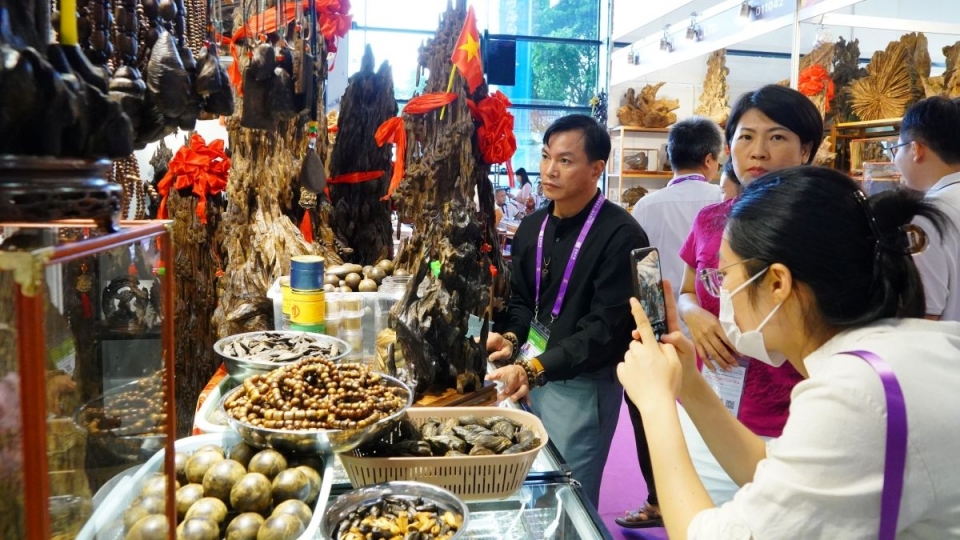
CAEXPO 2026: Vietnamese goods eye wider reach in China and ASEAN markets
VOV.VN - More than 120 Vietnamese businesses from 22 provinces and cities are showcasing their products at the 23rd China-ASEAN Expo (CAEXPO 2026), highlighting opportunities to expand exports to China and deepen connections with ASEAN markets and regional supply chains.
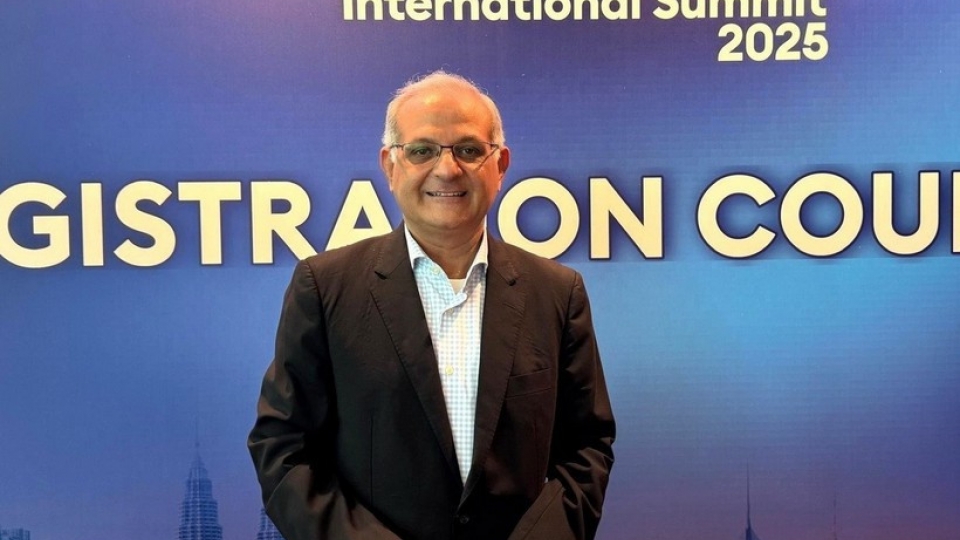
ASEAN, Vietnam to lead recovery among emerging markets: economist
ASEAN economies, including Vietnam, are set to lead the recovery among emerging markets between 2025 and 2030, Juwai IQI’s chief economist Shan Saeed told the Vietnam News Agency (VNA)'s reporter on the sidelines of the Juwai IQI International Summit 2025 held in Kuala Lumpur, Malaysia, on October 29.

