Vietnam to expand exports across APEC markets amid tighter trade rules

VOV.VN - Vietnam is seeking to expand exports across Asia-Pacific Economic Cooperation (APEC) economies as stronger demand for key products creates new opportunities, but exporters must adapt to stricter tariffs, technical standards and supply chain requirements to stay competitive.
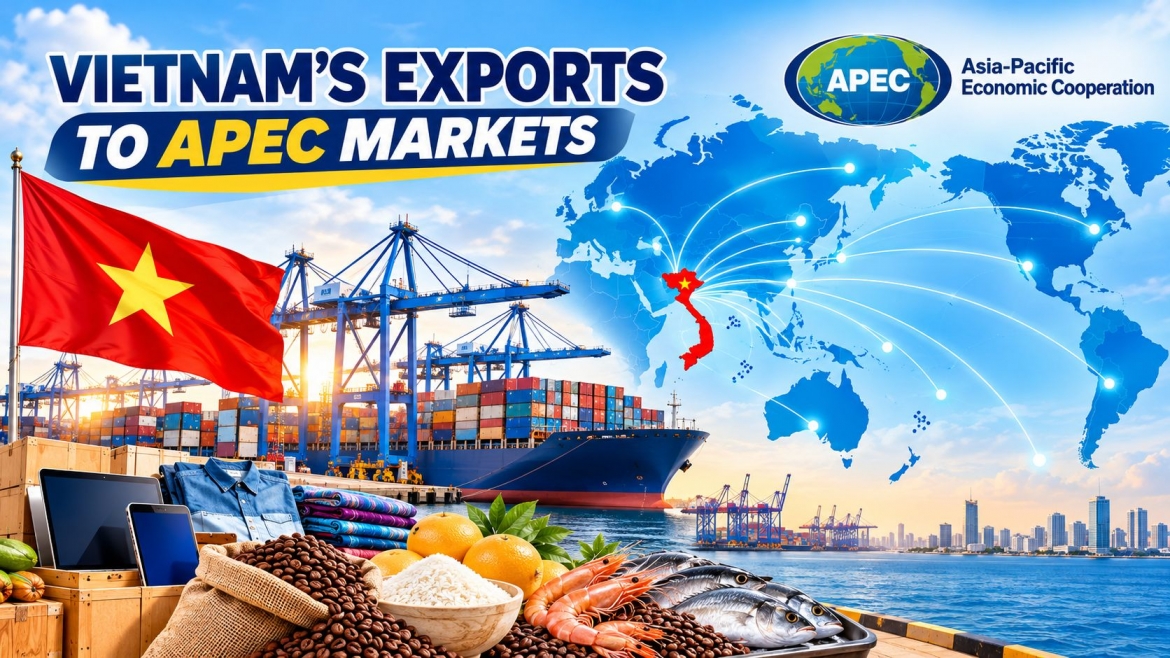
APEC member economies account for around 60% of Vietnam’s export value and 80% of its imports, making the bloc a major pillar of the country’s international trade. With 18 of the 21 APEC economies covered by Vietnam’s free trade agreements (FTAs), businesses have opportunities to broaden their market reach, provided they can meet increasingly demanding import requirements.
Export performance in the first nine months of 2026 offered encouraging signs. Electronics exports grew by around 30.02%, while coffee shipments to China rose by more than 48% in volume and over 53% in value. The United States was Vietnam’s largest export market, with turnover reaching US$140 billion, up 24.2% year on year.
Seven APEC economies — the United States, China, Japan, the Republic of Korea, Hong Kong (China), Malaysia and Singapore — rank among Vietnam’s ten largest export markets.
Electronics, computers and optical products have continued to drive growth, supported by orders from major technology groups in the United States, the Republic of Korea and China. Vietnamese businesses have also expanded shipments of coffee, seafood, ceramic tiles and construction materials to markets across the region.
Yet market access increasingly depends on more than competitive prices. Exporters must also navigate changing trade policies, product certification requirements, traceability rules and environmental standards that vary from one economy to another.
US tariffs and compliance requirements reshape export challenges
The United States is a key destination for Vietnamese goods, but changing trade measures and stricter supply chain requirements are adding pressure on exporters.
On July 24, 2026, the United States introduced additional tariffs under Section 301 of the Trade Act of 1974 following an investigation into the failure of economies to prohibit imports of goods produced with forced labour. The measure set a 12.5% tariff rate for Vietnam, subject to specified exemptions and applicable rules. It followed the expiry of a temporary 10% tariff under Section 122 of the same Act.
Beyond tariffs, Vietnamese exporters face growing scrutiny of product origins, environmental performance and supply chain transparency. These requirements are particularly relevant to textiles and garments, footwear, furniture, seafood, electronics, steel and processed agricultural products.
Do Ngoc Hung, Vietnamese Trade Counsellor in the United States, outlined several priorities for helping businesses respond to the changing environment. He advocated an early-warning system for industries at high risk of trade restrictions, alongside regular updates to the Ministry of Industry and Trade’s overseas market database covering tariffs, trade remedies and technical standards.
Businesses also need stronger compliance capabilities, particularly in documenting product origins, meeting environmental requirements and maintaining transparent supply chains. Preparing complete documentation and being ready to participate in trade investigations can help exporters manage potential disputes more effectively.
Trade promotion should also be linked more closely to buyer engagement and efforts to improve the balance of bilateral trade, he added.
Japan offers another important market for Vietnamese businesses. In the first nine months of 2026, Vietnam recorded a trade surplus of US$2.65 billion with Japan, an increase of 85.9% from the same period a year earlier.
Ta Duc Minh, Vietnamese Trade Counsellor in Japan, described bilateral trade as stable, with signs of a positive recovery despite difficulties in the global economy.
Vietnam’s major exports to Japan include garments, processed agricultural products, electronics and components. Meanwhile, its imports mainly comprise machinery, technology and production materials, supporting manufacturing activities in Vietnam.
He also pointed to the close bilateral relationship and the Vietnamese Government’s efforts to address business difficulties and facilitate cooperation between companies in the two countries.
Product standards and local partnerships open new opportunities
Across APEC economies, exporters must increasingly comply with requirements covering product certification, traceability, food safety, quarantine and environmental sustainability. Understanding the specific rules and consumer preferences of each destination is therefore essential.
Indonesia illustrates both the opportunities and the challenges. With a large market of around 288 million consumers in the second half of 2025 and approximately 87% of residents identifying as Muslim, the country offers a substantial market for halal products.
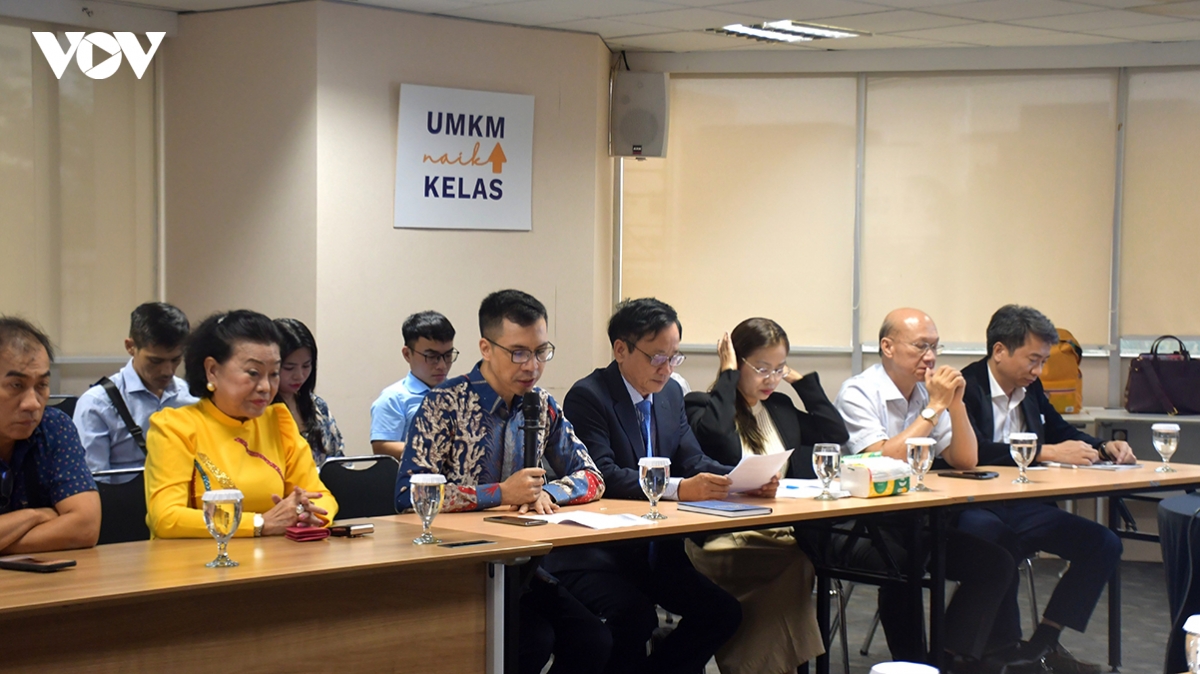
Pham The Cuong, Vietnamese Trade Counsellor in Indonesia, emphasised the importance of understanding local culture, business practices and consumer preferences before entering the market.
Obtaining Halal certification should also be an early priority, he advised. Experience from exporters in countries such as Thailand and the Republic of Korea shows the value of securing the necessary certification before approaching Indonesian importers and distributors.
For Vietnamese producers, meeting these requirements calls for investment in product standardisation, production facilities and quality management, as well as closer cooperation across supply chains.
Ba Thi Nguyet Thu, director of Hanoi Xanh Cooperative, said her organisation is working to standardise its products and strengthen its facilities to meet the expectations of overseas buyers.
International buyers often want to visit factories and examine how suppliers manage compliance throughout their production processes, she explained. Stronger links between businesses could help smaller producers pool their capabilities, join established supply chains and build a more competitive business ecosystem.
Vietnam’s ability to expand exports across APEC markets will depend on combining the advantages of its trade agreements with better market intelligence, reliable product certification and transparent supply chains. For domestic businesses, adapting to these requirements is essential not only to enter new markets, but also to build lasting relationships with international buyers.
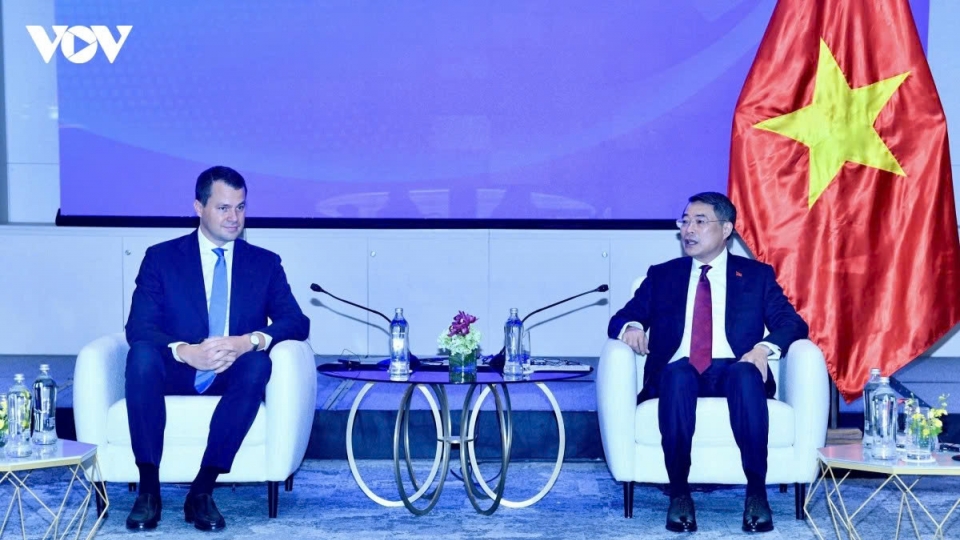
WEF ready to deepen cooperation with Vietnam ahead of APEC 2027
VOV.VN - The World Economic Forum (WEF) is ready to strengthen cooperation with Vietnam at the highest level and mobilise private-sector and international support for the country’s priorities as it prepares to host APEC 2027, WEF Managing Director Stephan Mergenthaler told Vietnamese Prime Minister Le Minh Hung.