Vietnamese brands reposition themselves amid deeper integration

VOV.VN - In an era of fierce competition, a national brand is no longer just a name but a yardstick for the intellectual capacity and creative strength of an economy. Products carrying the label “Made by Vietnam” are marking a new phase, asserting the standing of domestic enterprises through genuine internal capacity and core technologies.
Journey to elevate national brand
Nearly 40 years after the launch of the Doi Moi (Renewal) process, Vietnam’s growth model is shifting from one reliant on low-cost labor to one driven by science, technology, and knowledge-based value.
Amid fierce international competition, many Vietnamese enterprises have gradually established a presence beyond national borders. According to Brand Finance, Viettel, a state-owned military and telecommunications group, remained Vietnam’s most valuable brand in 2024, with a valuation of more than US$8.9 billion. Vinamilk and VNPT followed, each valued at about US$2.6 billion. These figures point to the fact that Vietnamese brands are no longer confined to a regional footprint but have gained a voice in international markets.
Alongside headline valuations, these success stories also reflect substantive competitiveness. Vinamilk has appeared consistently in global brand rankings, securing a place among the Top 5 most valuable dairy brands in the Asia-Pacific region and achieving an AAA+ brand strength rating. Groups such as Vietjet, VPBank, VietinBank, PNJ, and Vinhomes are also listed among high-value brands, underscoring the breadth of Vietnam’s economic momentum across sectors.

In technology, FPT has recorded billions of US dollars in revenue from software exports, marking a clear advance for Vietnamese enterprises in the digital economy. What leading brands share is sustained investment in quality, adherence to international standards, and development strategies aligned with social responsibility. As enterprises grow stronger, the country’s image is correspondingly reinforced in the eyes of global partners.
Chairman of FPT Group Truong Gia Binh said Resolution No. 57 has created broad consensus and strong resolve within Vietnam’s technology business community, while opening strategic space for enterprises to engage more deeply in the national drive for science and technology development, innovation, and digital transformation.
According to Truong Gia Binh, amid growing global uncertainties, technology is directly linked to national sovereignty and self-reliance. Guided by Resolution 57, FPT has chosen a long-term strategy of investing in core technologies, viewing this as the foundation for sustainable development and a practical contribution to the country.
Vietnamese chips and turning point in high-tech integration
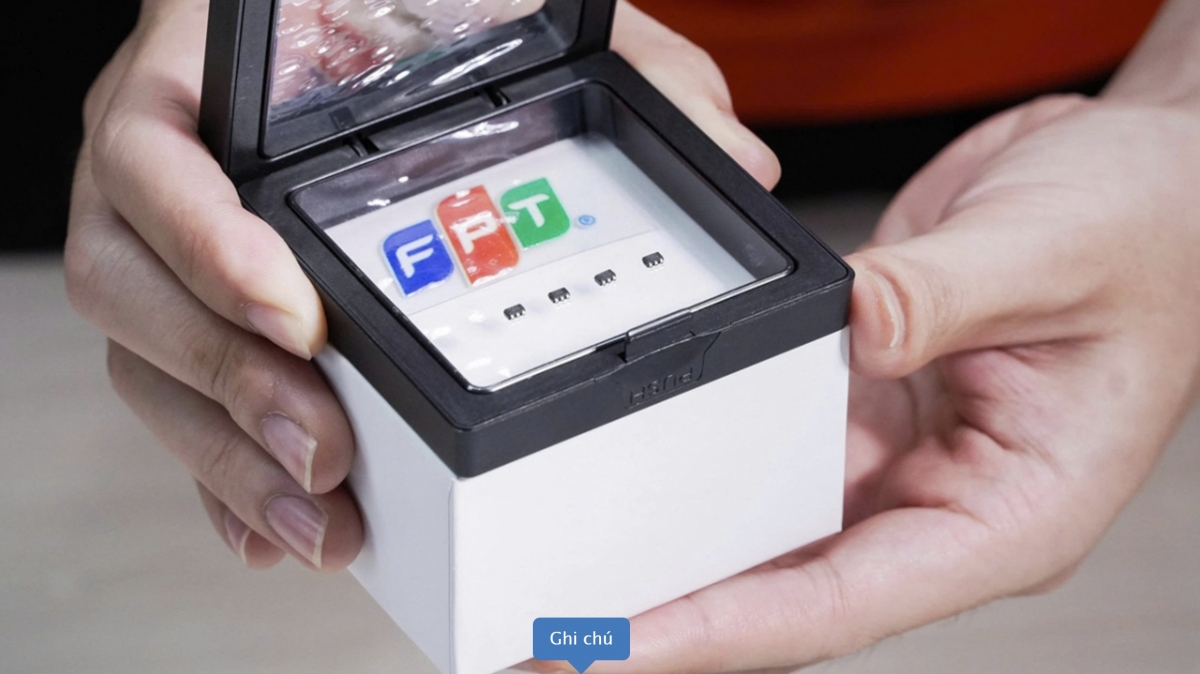
The shift from aspiration to action has become evident with FPT’s handover of its first commercial chip batch to a leading Japanese electronics company through Restar Group. This marks an initial step toward exporting chips designed by Vietnamese enterprises to the Asia–Pacific market.
FPT is building a power-chip ecosystem that includes PMIC, LDO, BUCK, LED Driver, and Power MOSFET lines, targeting high-performance and energy-efficient electronic devices. The chips exported to Japan were designed for multifunction printers, helping stabilize power supply and protect components under high-intensity operating conditions. Under the agreement, Restar plans to distribute 10 million Vietnamese-designed chips over the next three years, reflecting international partners’ confidence in Vietnamese design capabilities.
Tran Dang Hoa, chairman of FPT IS and chairman of FPT Semiconductor, said exporting the first commercial chip batch to Japan carries significance for FPT and serves as confirmation of Vietnamese capabilities in core technologies.
He said FPT expects that, starting from this initial shipment, Vietnamese chips will increasingly appear in consumer electronics, office equipment, IoT devices, and other industrial applications.
In parallel, Viettel has accelerated research and production in high technologies, from 5G infrastructure to dual-use industries. At the Mobile World Congress 2025, Viettel introduced 22 self-developed technology products.
Major General Tao Duc Thang, chairman and CEO of Viettel, said that at each MWC, the group showcases its technology products and solutions, drawing attention from thousands of individuals, enterprises, and governments worldwide. He described this interest as a source of pride and a driving force for continued development of new products and services.
These advances show that a national brand is not built on slogans, but on products that meet international standards. As Vietnamese-branded technologies appear more frequently in global markets, Vietnam’s role is moving beyond processing toward creation.
In the new era, the effort to elevate Vietnamese brands is inseparable from mastering core technologies and improving the quality of growth. Milestones such as the first chip shipment to Japan demonstrate how integration ambitions are being translated into real capacity, laying a durable foundation for Vietnam’s national standing in the years ahead.
Asia Fashion Show 2025 elevates Vietnamese brands on global supply chain
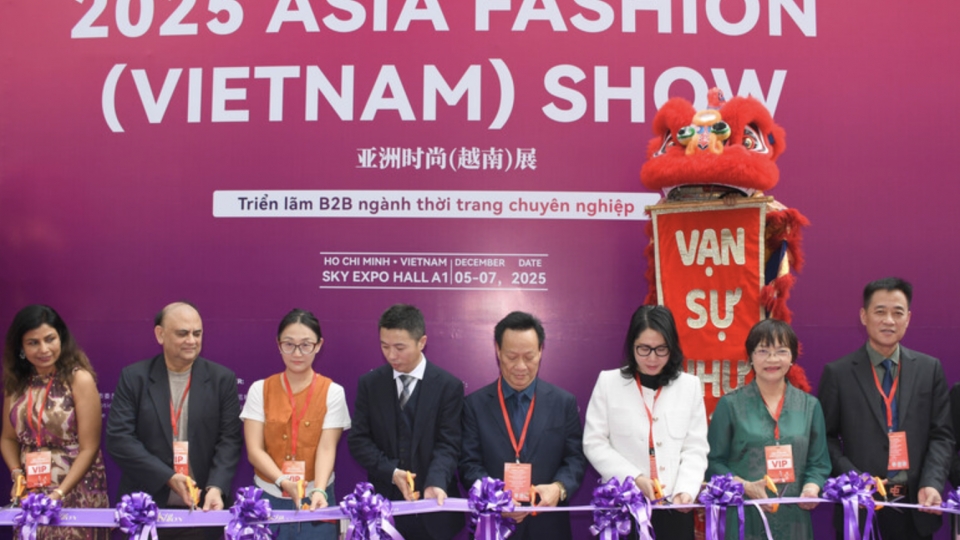
VOV.VN - The Asia Fashion Show 2025 (AFS) opened in Ho Chi Minh City on December 5, bringing together more than 200 companies and industry associations from Vietnam, China, Thailand, Malaysia, India and the Republic of Korea.