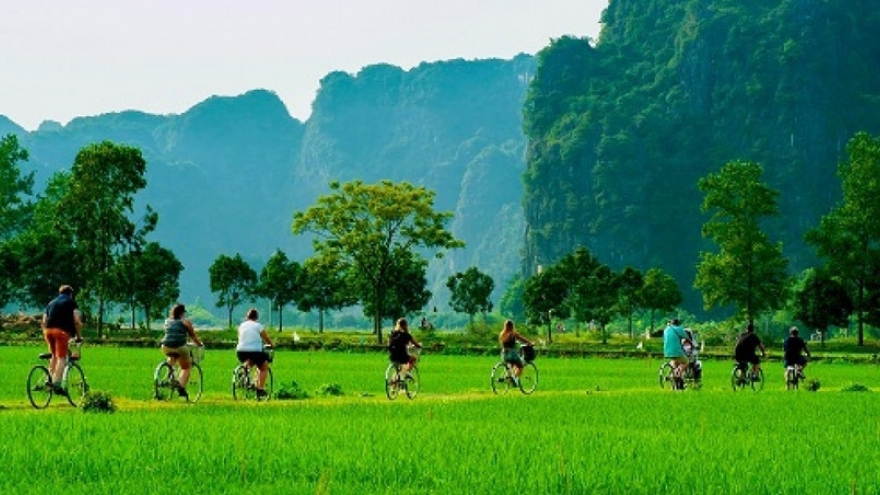
Vietnam tourism moves toward key economic sector

VOV.VN - On its path to affirming its role as a key economic sector, Vietnam’s tourism industry requires policies commensurate with the value it has created and will continue to create for the national economy.
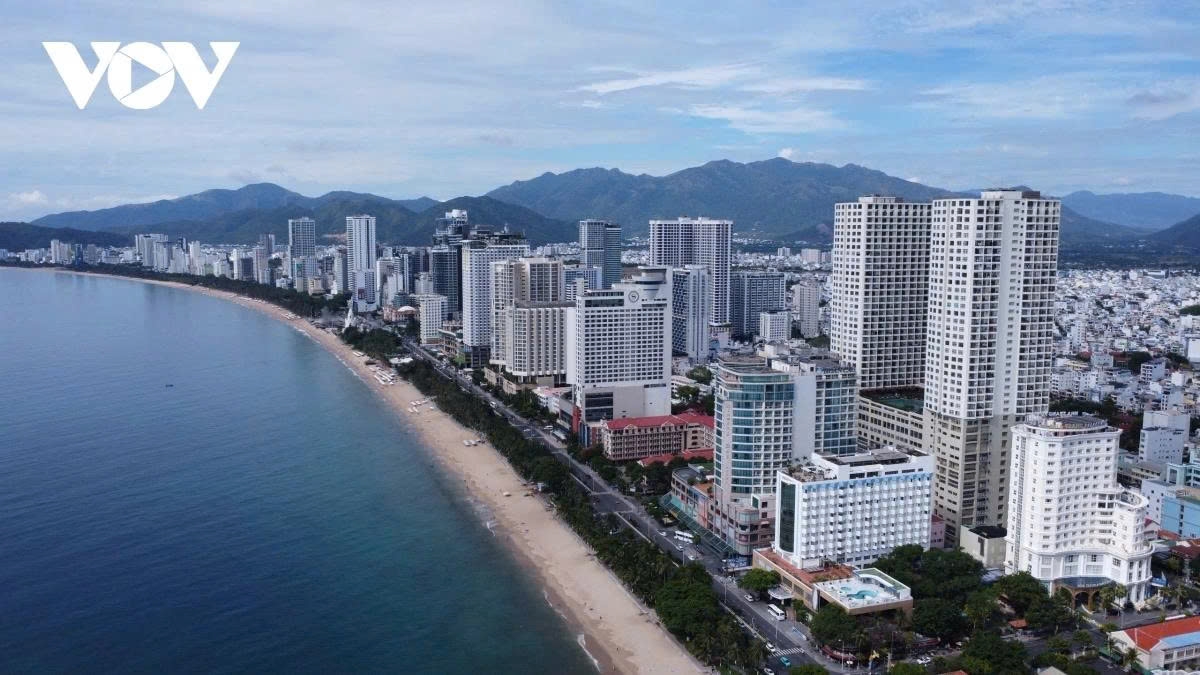
In recent years, tourism has been identified as one of the country’s important growth drivers, with strong spillover effects on trade, transport, accommodation, cuisine and culture.
In 2025, Vietnam welcomed around 21.5 million international visitors and 135.5 million domestic travellers; total tourism revenue reached about VND1 quadrillion, up 22.1% from the previous year and more than 10% higher than in 2019. While global tourism has recovered to around 90% of its pre-COVID-19 level, Vietnam has recovered to over 110%.
In 2025, the Government issued Resolutions No. 44, 221 and 229 on visa exemptions for citizens of several countries to stimulate demand and enhance the competitiveness of Vietnam’s tourism sector. Vietnam currently grants unilateral visa exemptions to citizens of 24 countries, allowing stays of up to 45 days; the validity of electronic visas (e-visas) has been extended to 90 days.
Nguyen Trung Khanh, Director General of the Vietnam National Authority of Tourism, said the visa exemption resolutions constitute a breakthrough policy in the context of intense regional and international competition. He described the policy as a lever to attract international visitors and a key factor contributing to the sector’s positive results in 2025.
However, Nguyen Quoc Ky, Chairman of the Board of Directors of Vietravel, said visa exemption is only the first “key” enabling international visitors to enter Vietnam.
The major challenge is how to encourage visitors to stay longer, spend more and return. He noted that although visitor numbers have reached high levels, many tourism businesses still face revenue shortfalls because most bookings for tours, tickets and accommodation are made through foreign platforms, meaning profits do not remain with domestic enterprises.
According to the 2024 Statistical Yearbook, average spending by international visitors to Vietnam in 2023 reached US$1,449.7 per person, up nearly 27% compared with the pre-pandemic period. However, spending on shopping accounted for only 8.4%, the lowest proportion in many years.
Pham Quy Huy, Director of Kiwi Travel Company, said shopping activities in Vietnam are not yet sufficiently attractive; there is a lack of internationally standardized shopping centres; tax refund procedures remain inconvenient; and tourism products and services in many localities have yet to establish distinctive identities or offer diverse experiential services, leaving visitors less willing to increase their spending.
From a management perspective, Nguyen Trung Khanh emphasised that creative tourism is becoming a driver of renewal for the sector.
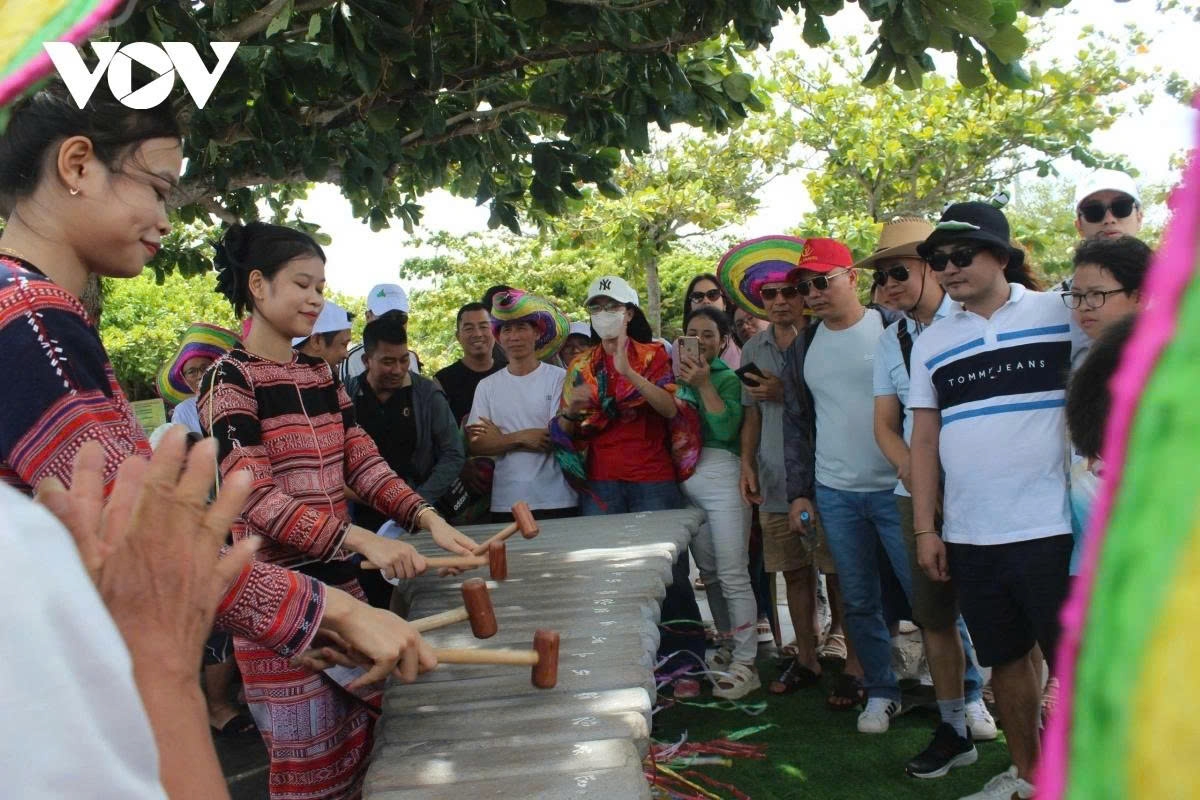
Creative tourism enables destinations to build distinctive identities, preserve traditional cultural values and enhance visitor experiences through hands-on activities such as craft-making and culinary experiences. To promote this segment, he said, supportive mechanisms and policies are needed to help businesses access land and capital, while strengthening public-private cooperation and coordination among the State, enterprises and local communities.
In addition, the State needs policies that match the sector’s role, including investment in transport infrastructure, financial support and digital transformation for tourism enterprises; renewal of promotion and marketing on digital platforms; and improvement of the end-to-end visitor experience, from access to information to the completion of travel in Vietnam.
If a solid development foundation is built in the 2026-2030 period through appropriate policies, by 2045 Vietnam’s tourism sector aims to welcome 70 million international visitors, generate total revenue of around VND7,300 trillion and contribute 17-18% of GDP, affirming its role as a key economic sector and positioning Vietnam among the leading tourism destinations in the Asia-Pacific region

Tourism industry shifts to quality-led growth for sustainable expansion
VOV.VN - Vietnam’s tourism industry enters 2026 with a renewed focus on quality-driven growth after a historic recovery in 2025, as policymakers and sector leaders urge a shift from sheer visitor numbers toward enhanced experiences, sustainable development and repeat visits.