Vietnam removes institutional bottlenecks to unlock blue economy growth

VOV.VN - As Vietnam seeks to maintain high economic growth while ensuring long-term sustainability, the government is moving forward with revisions to several major laws related to land, environmental protection and marine resources.
Policymakers said the reforms are intended not only to improve the legal framework, but also to remove institutional barriers that have constrained development for years.
According to the Ministry of Agriculture and Environment (MoAE), the ministry is leading the drafting and amendment of three major laws in 2026, including the Land Law, the Law on Environmental Protection, and the Law on Marine and Island Resources and Environment. The laws are expected to have far-reaching impacts on the management and use of the country’s strategic resources.
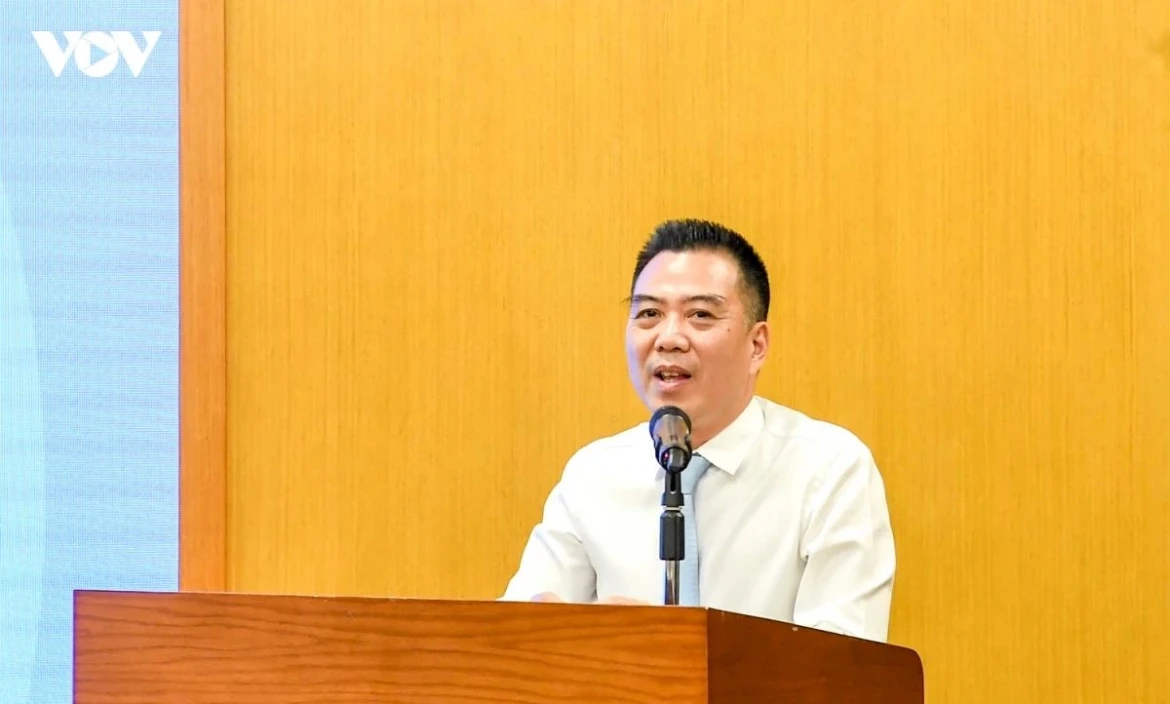
MoAE Deputy Minister Dang Ngoc Diep said the overarching goal of the reform process is to remove policy obstacles, address overlapping regulations and strengthen decentralisation in order to facilitate easier access to development resources for both businesses and citizens.
Unlocking growth through institutional reform
Land management remains one of the sectors facing the greatest regulatory challenges. Despite previous reforms, inconsistencies between legal provisions have continued to create difficulties in planning, land allocation, leasing procedures and investment project implementation.
To address these issues, the MoAE is reviewing the implementation of the Politburo’s Resolution No. 18 to assess the effectiveness of current land policies and identify provisions that no longer match development realities.
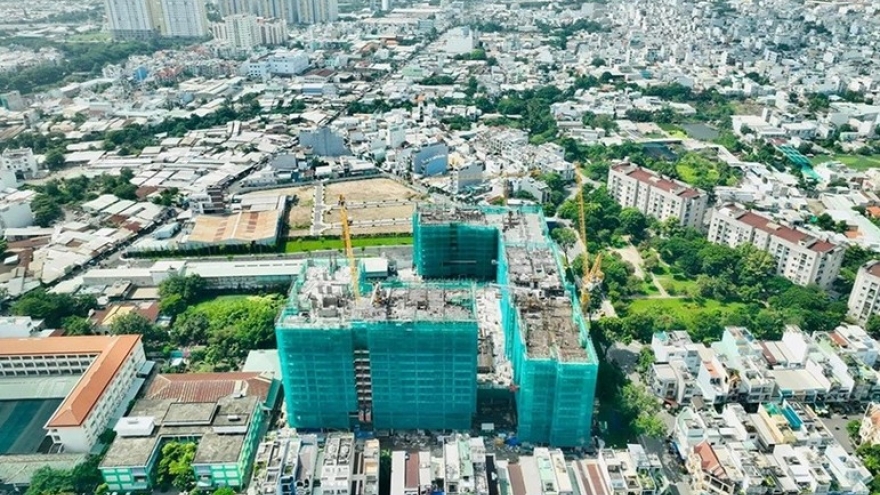
Following the National Assembly’s Resolution 29 on mechanisms to resolve land-related obstacles, the MoAE also advised the government about issuing Resolution 147, aimed at handling long-delayed projects and addressing difficulties involving more than 4,500 stalled projects nationwide.
The scale of these unresolved projects highlights the extent of institutional bottlenecks in the economy. Delayed projects not only waste land resources but also negatively affect investment, production, employment and state budget revenues.
It is expected that revisions to the legal framework on land, natural resources and environmental governance will help release frozen resources and create new momentum for economic growth.
A notable aspect of the reform strategy is a shift toward a more flexible legislative approach. Under the proposed framework, laws will focus on core principles and major policy directions, while technical and rapidly changing issues will be regulated through decrees and by-law documents.
Policymakers believe this approach will allow regulations to adapt more quickly to changing socio-economic conditions and reduce the need for frequent amendments shortly after laws take effect.
Blue economy requires a new governance framework
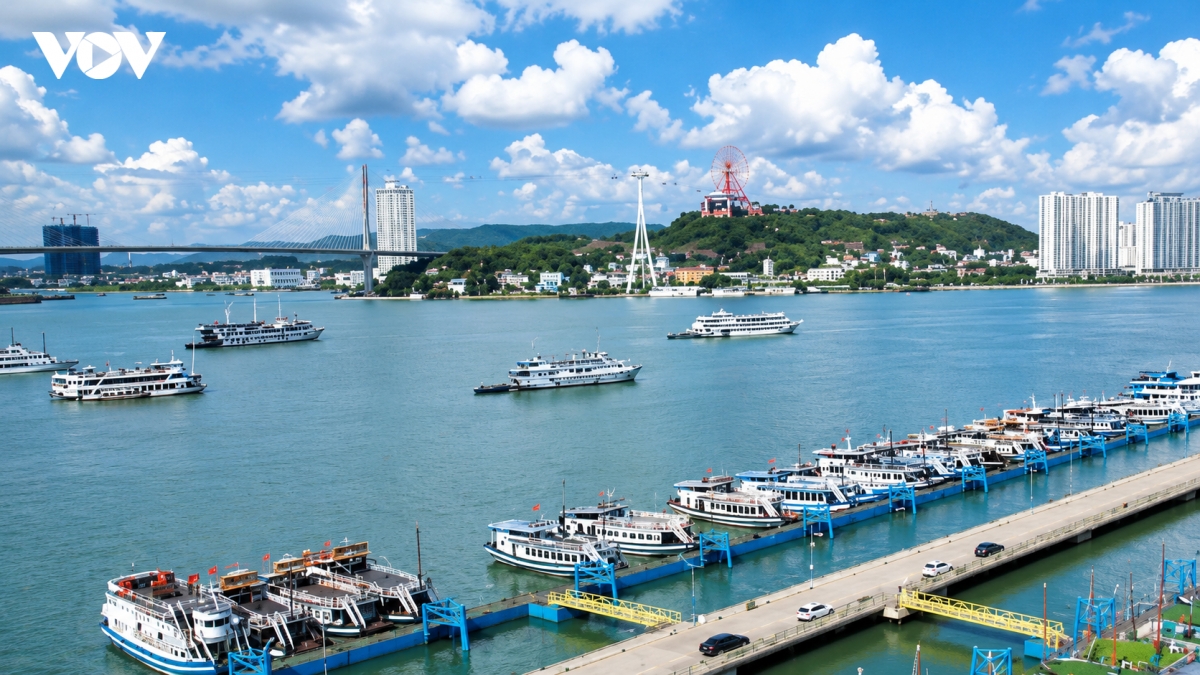
While amendments to the Land Law are anticipated to unlock resources on land, reforms to marine governance are seen as equally critical for Vietnam’s long-term growth strategy.
After nearly a decade of implementation, the Law on Marine and Island Resources and Environment has helped establish a legal foundation for integrated marine resource management. However, the rapid emergence of new sectors such as offshore renewable energy, marine circular economy models, maritime logistics and deep-sea resource exploitation has exposed limitations in the current legal framework.
Nguyen Quoc Toan, director of the Vietnam Seas and Islands Department, said three major challenges are driving the need for legal reform.
The first is overlapping jurisdiction among laws governing maritime activities, including the Petroleum Law, Maritime Law and other sector-specific legislation. The fragmentation has created inconsistencies in management and complicated implementation for both regulators and businesses.
Second, current mechanisms for allocating and exploiting marine resources have yet to create sufficient incentives for development. Regulations governing sea area allocation, marine leasing and resource utilisation remain restrictive and inefficient, limiting the country’s ability to fully capitalise on its marine potential.
Third, concerns are growing over the capacity to monitor and control marine pollution as economic activities at sea continue to expand.
According to Toan, the revised law aims to establish a more unified and integrated governance framework for marine resources and environmental management. The objective is to simultaneously unlock the economic potential of the sea while protecting marine ecosystems.
No trade-off between growth and the environment
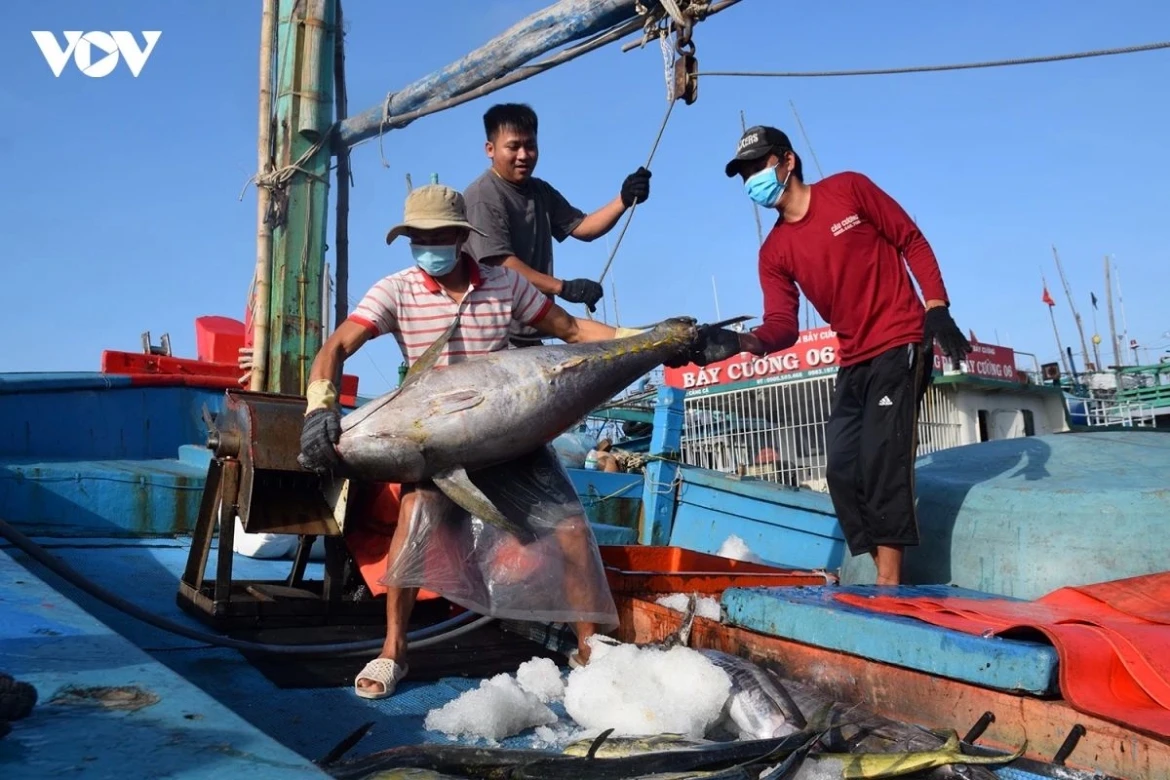
One of the central messages emphasised during the drafting process is that marine economic development must go hand in hand with environmental conservation.
The revised law is expected to focus on four major areas: improving institutions and addressing newly emerging issues; creating transparent mechanisms for allocation, leasing and auctioning of marine resources; strengthening marine pollution control; and introducing policies to promote sustainable marine economic development.
The reforms reflect a broader shift in development thinking. Rather than prioritising short-term economic gains through resource exploitation alone, policymakers are increasingly emphasizing the need to balance economic efficiency with long-term ecological sustainability.
Officials stress that the principle of “not sacrificing the environment for economic growth” is essential not only for environmental protection, but also for the long-term competitiveness of the economy itself.
Marine ecosystems underpin many strategic sectors, including fisheries, tourism, shipping, offshore renewable energy and ecosystem-based services. Once degraded, restoring marine environments can be costly and time-consuming, potentially eroding advantages built over decades.
Turning marine potential into a new growth engine
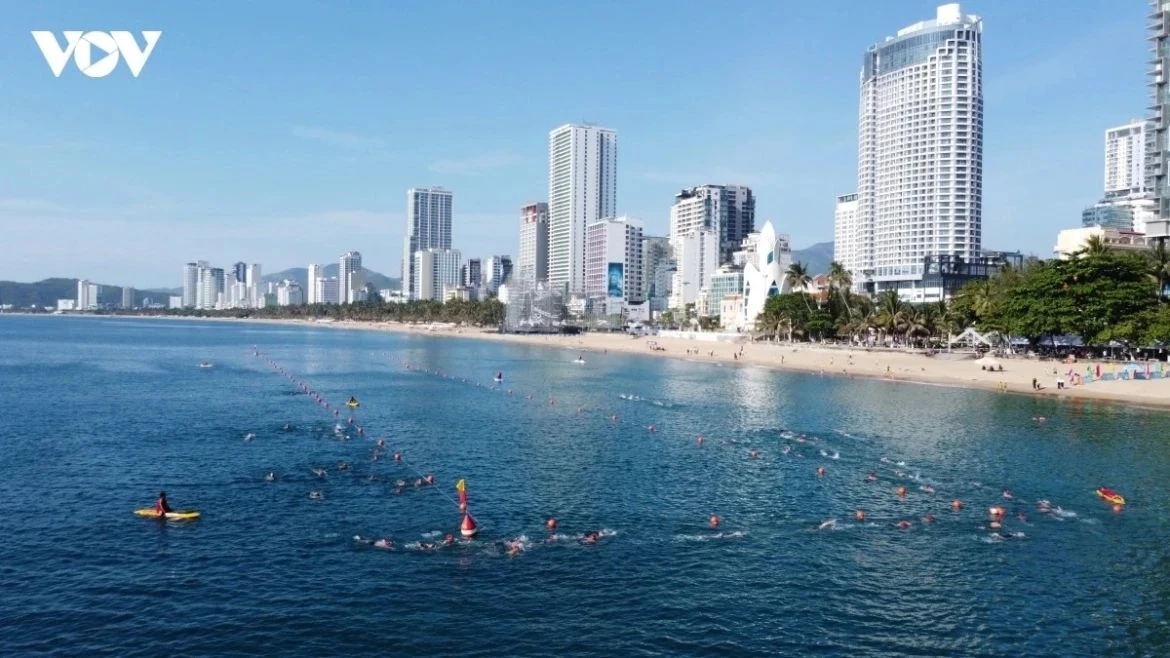
Vietnam is widely regarded as having strong advantages for developing a modern marine economy. According to the MoAE, 21 out of the country’s 34 provinces and centrally governed cities have coastlines, providing significant opportunities for sectors such as maritime logistics, ports, coastal tourism, offshore renewable energy and deep-sea resource development.
However, experts said natural advantages alone are not enough. Unlocking the full potential of the marine economy will require effective governance, streamlined administrative procedures and clearly defined regulatory responsibilities.
MoAE Deputy Minister Diep said the government seeks to establish clearer institutional responsibilities so that businesses and citizens no longer need to navigate multiple agencies to complete administrative procedures.
Reducing compliance costs while improving state management efficiency is expected to strengthen Vietnam’s investment climate and support sustainable growth.
In the long term, revisions to the Law on Marine and Island Resources and Environment will not only to resolve existing legal shortcomings, but also shape Vietnam’s marine development strategy for decades to come.
As climate change, environmental degradation and competition over natural resources intensify globally, the quality of institutions will increasingly determine a country’s ability to harness marine resources effectively while preserving ecological balance.
From land governance to marine management, the latest round of legal reforms reflects Vietnam’s broader effort to build a more modern, transparent and adaptive institutional framework. By removing regulatory bottlenecks and unlocking strategic resources, policymakers hope to lay the foundation for a higher-quality and more sustainable growth model, in which the blue economy becomes a key driver of Vietnam’s green transition in the 21st century.
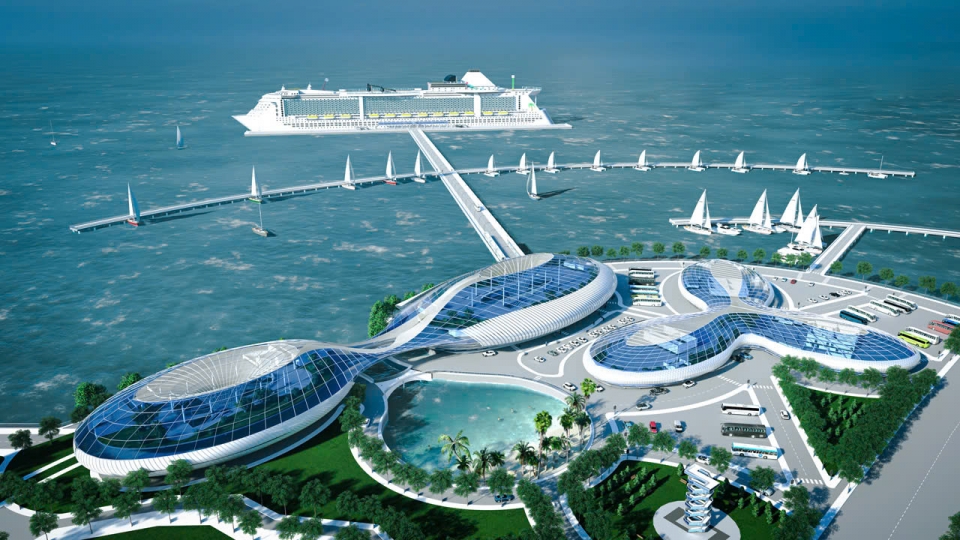
Vung Tau international cruise port proposed to boost marine tourism
VOV.VN - Ho Chi Minh City has proposed a VND3.15 trillion (about US$110 million) international cruise port in Vung Tau, as part of a broader list of investment projects for 2026–2030 aimed at boosting marine tourism and regional connectivity.