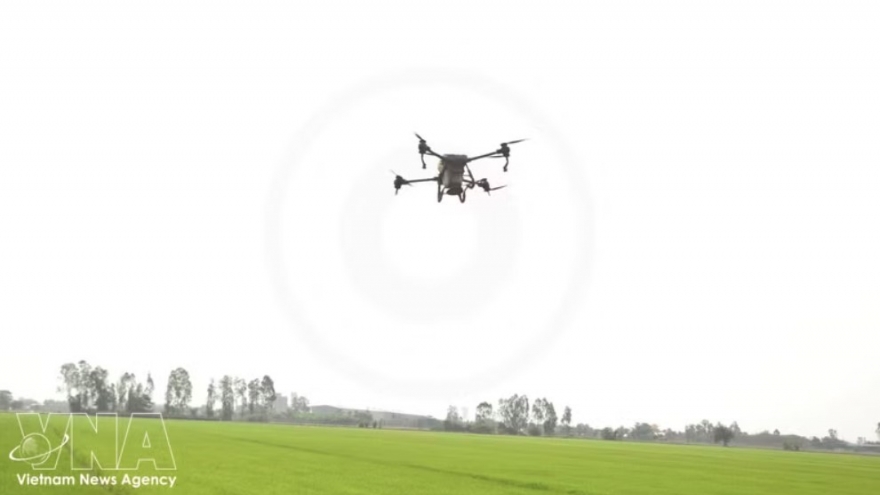
Resolution 17 removes land, environmental bottlenecks to unlock development resources

VOV.VN - The Government’s Resolution 17 focuses on removing constraints in land access and environmental procedures to unlock development resources, as Vietnam seeks to advance modern agriculture and a green economy.
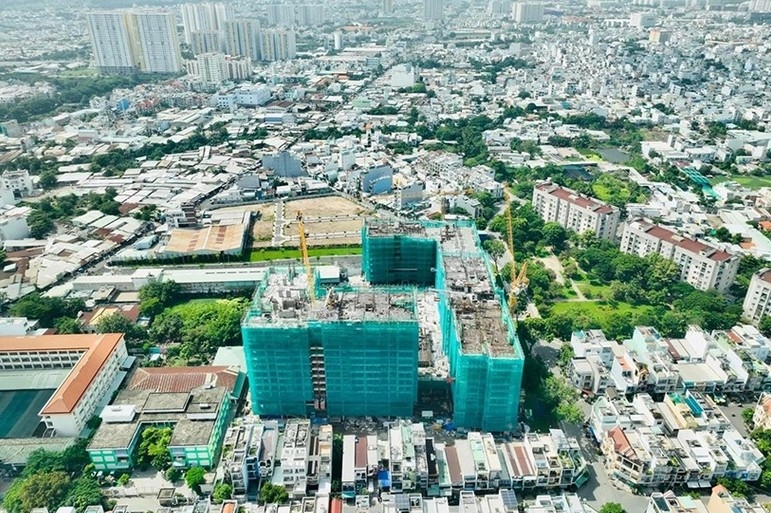
The nation has ample land and strong potential, but many projects have been delayed by land-related constraints rather than a lack of capital. Businesses are willing to invest but are deterred by environmental procedures, while farmers with land and experience face difficulties in shifting production models due to regulatory barriers.
The resolution aims to remove these bottlenecks and open the flow of development resources. As procedures are simplified and authority is decentralised, access to land is expected to become faster and more transparent, helping reduce the “freezing” of land resources and enabling projects to move ahead on schedule.
In the environmental field, the shift to post-audit management lowers compliance costs while maintaining risk control. Greater reliance on standards, data and real-time monitoring, rather than permits, is expected to improve governance effectiveness.
For agriculture, removing barriers creates conditions for a shift from small-scale production to larger-scale agricultural models, with wider use of high technology and higher value added. As land, environment and agriculture are “unlocked”, the economy gains an additional growth driver.
However, reforms only deliver results when implemented in practice. Resolution 17 requires stronger post-audit, inspection, supervision and enforcement to ensure that easing procedures does not lead to weaker management. Decentralisation also needs effective checks to prevent lax supervision or abuse of power.
More importantly, reform depends on changes in implementation. If existing working methods remain unchanged, policy changes on paper will be difficult to translate into real outcomes.
Resolution 17 signals a shift in approach, from management to facilitation and from control to enabling, aimed at building a transparent and effective environment for development.
If fully implemented, the resolution could bring a structural shift: turning land from a “bottleneck” into a “driver of development”, transforming environmental requirements from a “compliance barrier” into a “competitive advantage”, and raising agriculture from a traditional “pillar” to a new growth engine.
The changes not only ease procedural barriers but also expand development space, create investment opportunities and enhance the capacity for initiative among people and businesses, key elements of the country’s resources.
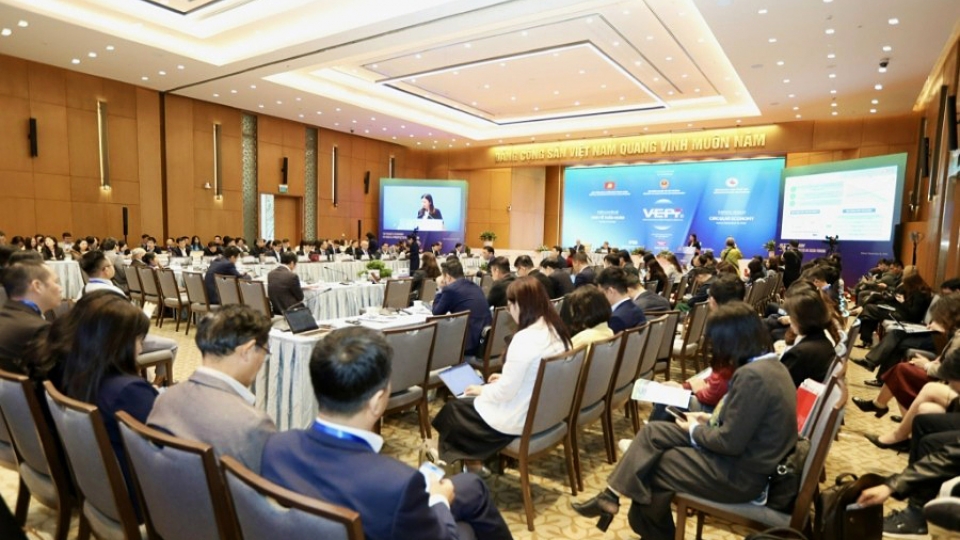
Vietnam sees circular economy as key driver of green, digital transition
VOV.VN - Vietnam has identified the circular economy as a strategic pillar of a new growth model, serving as a key driver of the country’s green transition in the digital era, said experts at the Vietnam Economic Forum in 2025 and Prospects in 2026 Forum.