Vietnam promotes green, smart seaports linked to modern logistics

VOV.VN - Green transformation, digitalisation and stronger links with modern logistics systems are emerging as key directions for the seaport sector to improve competitiveness, use resources more efficiently and adapt to changing supply-chain requirements.
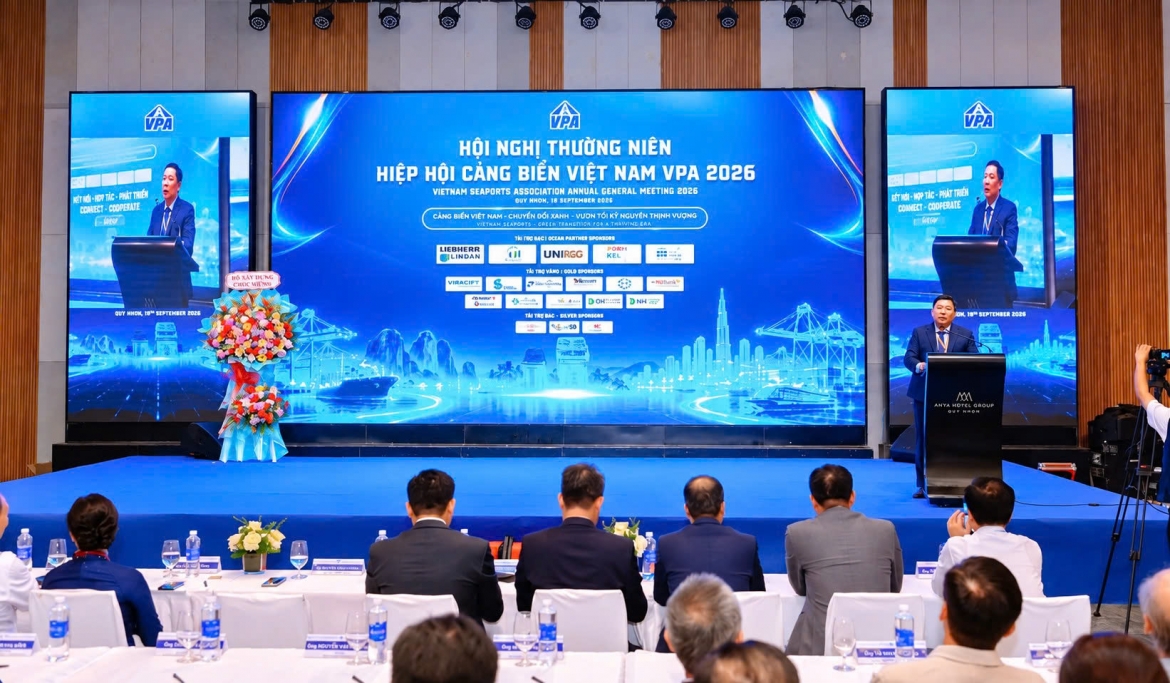
These priorities were discussed at the 2026 annual general meeting of the Vietnam Seaports Association (VPA), held on September 18 in Quy Nhon ward, Gia Lai province, which brought together participants to examine development orientations for the seaport sector amid rising requirements for logistics service quality and growing pressure to adopt new technologies and reduce emissions.
Seaports need to go greener and smarter
In his remarks, Nguyen Dinh Viet, deputy director of the Vietnam Maritime and Waterways Administration, highlighted that green transformation is gradually becoming an important part of the development of Vietnam’s seaport sector.
He noted that green transformation is not simply about investing in equipment and technology or choosing more suitable energy sources. It also involves renewing management methods, organising port operations more effectively and making efficient use of resources.
At the same time, digital transformation and the application of science and technology continue to serve as important drivers of seaport modernisation. Digitising processes, connecting and sharing data, and applying technology to management and operations can help improve productivity, reduce time and costs, and enhance service quality.
Viet stressed that the transformation process needs to be suited to the practical conditions of each region, seaport and business, ensuring investment efficiency and creating tangible, long-term value.
Seaports cannot develop separately from logistics
If greening and digitalisation are requirements within seaports, connectivity with logistics systems is essential to improving efficiency across the entire chain.
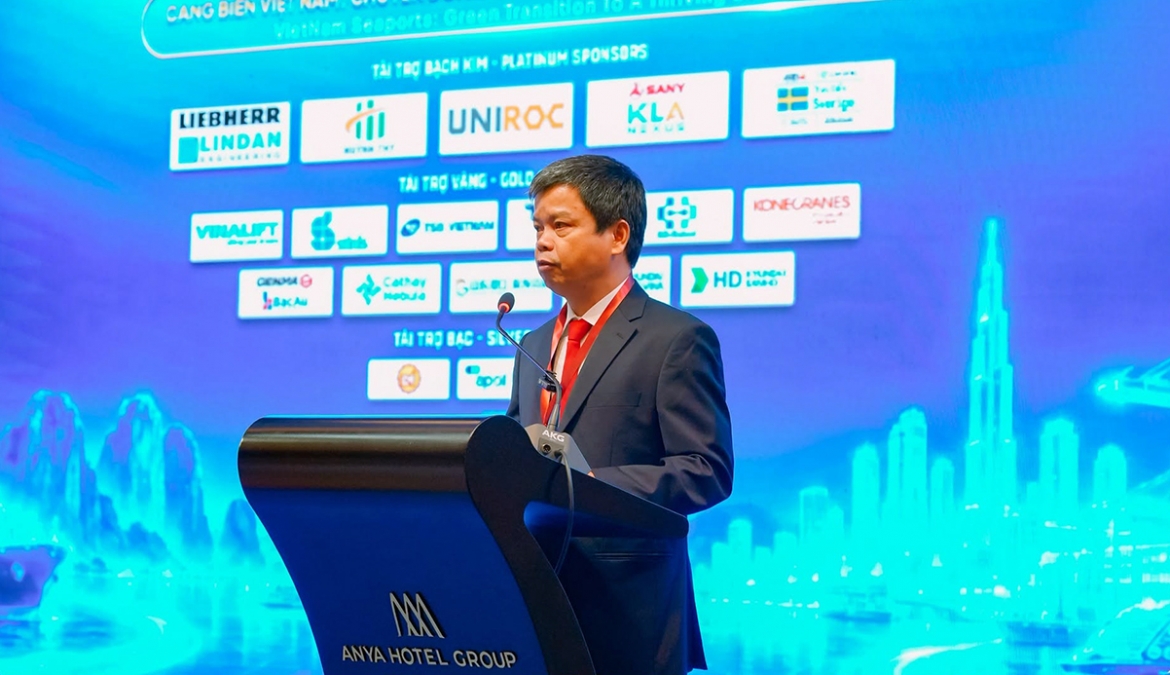
Huynh Van Cuong, chairman of the Vietnam Seaports Association, said the seaport sector is facing both opportunities to expand its role in regional supply chains and new requirements related to connectivity, competitiveness, green transformation, digitalisation and governance.
For its 10th-term tenure, the association has identified the development of green and smart ports and stronger logistics connectivity as key priorities. It is therefore promoting solutions related to energy management, emissions reduction, electrification, renewable energy, digitalisation and green finance.
“Seaports are not only gateways for goods. They need to become gateways for connectivity, innovation and development,” Cuong stressed.
According to the VPA chairman, achieving this goal requires stronger links between seaports and logistics systems, transport, technology, energy, training and research.
In practice, a report by the association shows that cargo throughput at seaports increased by 19% during 2020-2025, while container throughput rose by 31%. In 2026, member ports are expected to handle around 530 million tonnes of cargo and 24 million TEUs.
The scale of growth highlights the need to further improve connections between seaports and road, rail and inland waterway networks, as well as inland container depots, logistics centres and industrial parks.
Quy Nhon links seaport development with the highland corridor
In Gia Lai, the need to connect seaports with production areas and logistics systems forms part of the province’s broader development orientation.
Nguyen Huu Que, vice chairman of the Gia Lai People’s Committee, said that following the merger of the two provinces, the “highland-seaport” transport corridor has become a development axis within the province, creating favourable conditions for Gia Lai to plan transport infrastructure, logistics, industrial parks, port clusters and cargo transshipment centres in an integrated manner.
The province plans to upgrade and expand Quy Nhon Port and its seaport and inland port systems towards green and smart port development. It also aims to complete transport routes linking highland raw-material areas with seaports, while planning logistics centres, economic zones and coastal industrial parks connected to the port system.
Alongside infrastructure investment, Gia Lai is focusing on administrative reform, improving the investment environment and attracting shipping lines, logistics companies and port infrastructure investors.
The Vietnam Seaports Association maintains, accelerating the transformation requires further improvements in inter-regional transport connectivity, data standardisation and coordination among State management agencies, the association and the business community.
From green transformation and digitalisation to stronger logistics connectivity, seaport development is increasingly part of a broader transformation aimed at improving operational efficiency and the sector’s competitiveness in the years ahead.
Vietnam climbs global ranking of world’s top 100 container ports
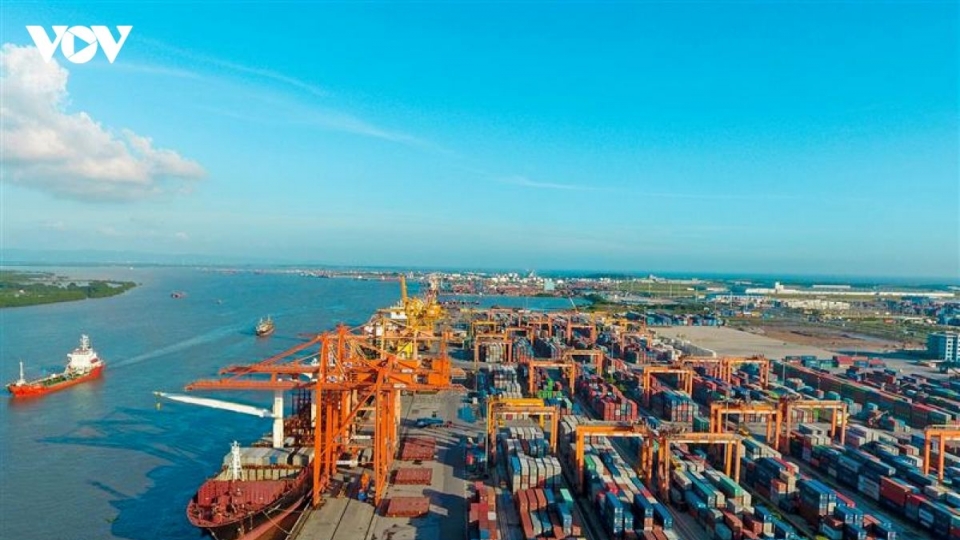
VOV.VN - Three Vietnamese ports have retained their places among the world's top 100 container ports in the 2026 ranking released by UK-based maritime publication Lloyd's List.