Vietnam proactively secures fuel supply amid Middle East tensions

VOV.VN - Amid escalating tensions in the Middle East that threaten global oil flows and push energy prices higher, Vietnam has proactively developed contingency scenarios to safeguard domestic fuel supply and maintain market stability.
According to international reports, the widening conflict involving the United States, Israel and Iran has disrupted oil and gas transportation in the region, particularly around the Strait of Hormuz - a strategic maritime corridor handling roughly one-fifth of the world’s oil and liquefied natural gas shipments.
On March 4, global oil prices surged about 8%, reaching their highest level since July 2024 and marking a third consecutive session of gains. The price spread between Brent crude and West Texas Intermediate (WTI) widened to US$8 per barrel, the largest gap since November 2022. Rising freight and insurance costs for oil tankers have further heightened concerns over potential supply disruptions should the conflict persist.
In response, Vietnam’s Ministry of Industry and Trade convened urgent meetings with domestic refineries, major fuel distributors and the Vietnam National Industry – Energy Group (Petrovietnam) to develop multiple supply scenarios aligned with varying degrees of market volatility. Enterprises have been instructed to strictly fulfill their assigned minimum fuel supply quotas for 2026 and comply with mandatory reserve requirements.
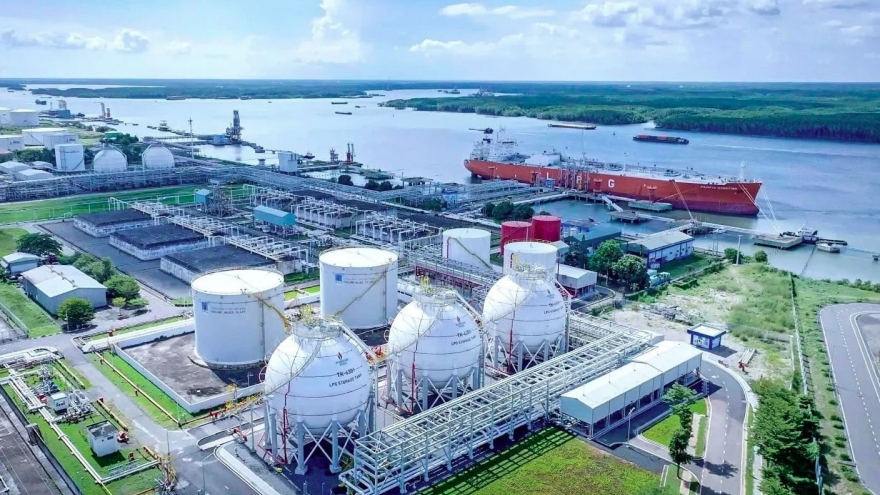
On the production side, Petrovietnam has directed the Nghi Son Refinery and Petrochemical Company to coordinate with foreign partners to secure contingency crude supplies and maintain stable operating capacity. The group is also prioritising the allocation of domestically produced crude oil to local refineries in emergency situations. Meanwhile, Vietnam Oil Corporation (PVOIL) is preparing additional import plans, diversifying supply sources and shipping routes to mitigate reliance on any single region.
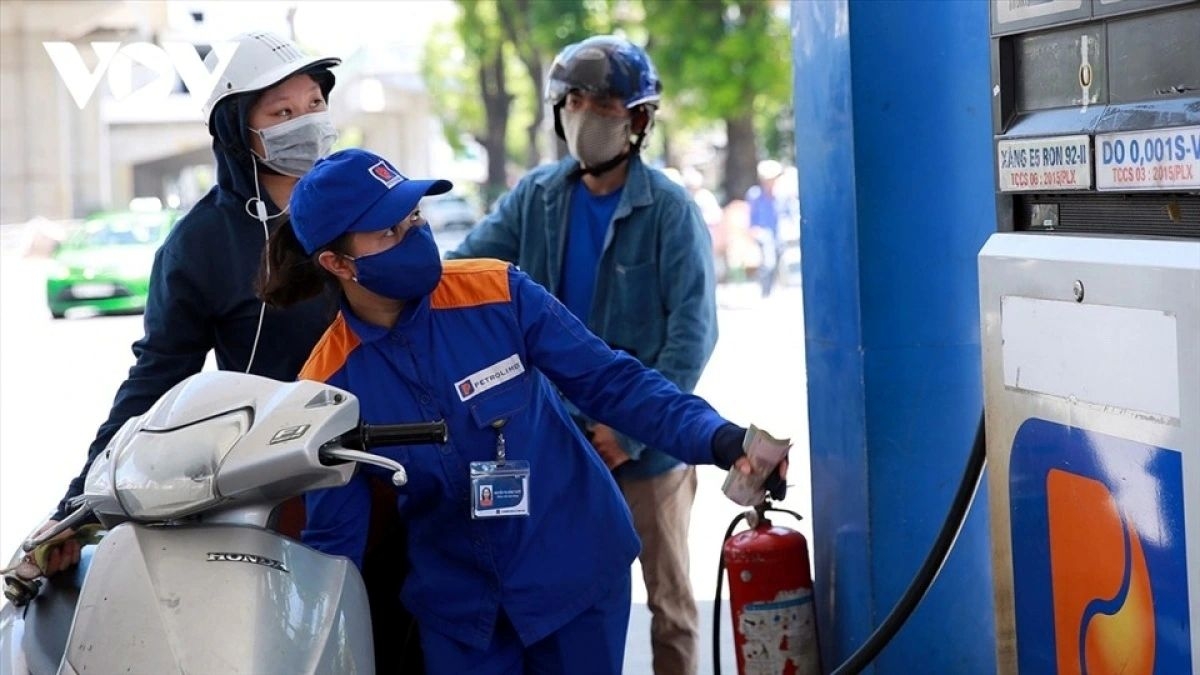
Beyond supply assurance, authorities are strengthening market supervision to prevent hoarding and unjustified price hikes, while closely monitoring import, storage and distribution activities.
The Ministry of Industry and Trade is working with the Ministry of Finance on flexible fuel price management measures under different scenarios, including the potential use of the Price Stabilisation Fund if necessary. Financial support measures, including priority access to foreign currency and credit, have also been proposed to ensure sufficient capital for fuel imports.
These coordinated measures underscore Vietnam’s shift from reactive management to proactive energy security planning, aiming to prevent supply disruptions, ensure uninterrupted retail operations and reinforce national energy security amid growing geopolitical risks and global oil market volatility.
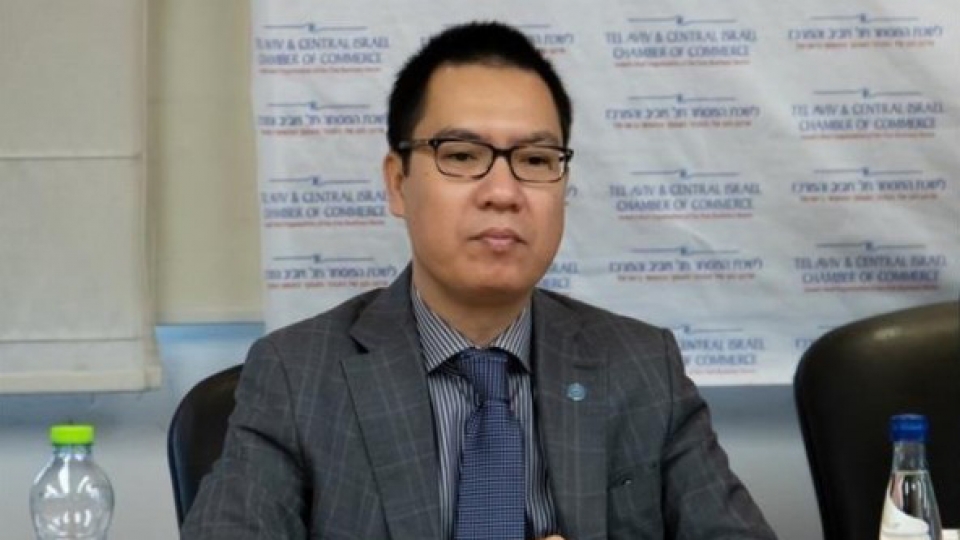
Vietnam trade counsellor in Israel warns escalating Middle East conflict weighing on trade
VOV.VN - Escalating conflict involving Israel, the US and Iran is weighing on the trade and investment environment in Israel and across the Middle East while placing additional pressure on global supply chains, Vietnam’s Trade Counsellor in Israel Le Thai Hoa said.