Vietnam, ASEAN partners push for stronger cooperation on green transition

VOV.VN - International experts have called for stronger ASEAN cooperation on the circular economy, including pilot cross-border supply chains for recycled materials and greater mobilisation of green finance, building on Vietnam’s experience with circular economy initiatives.
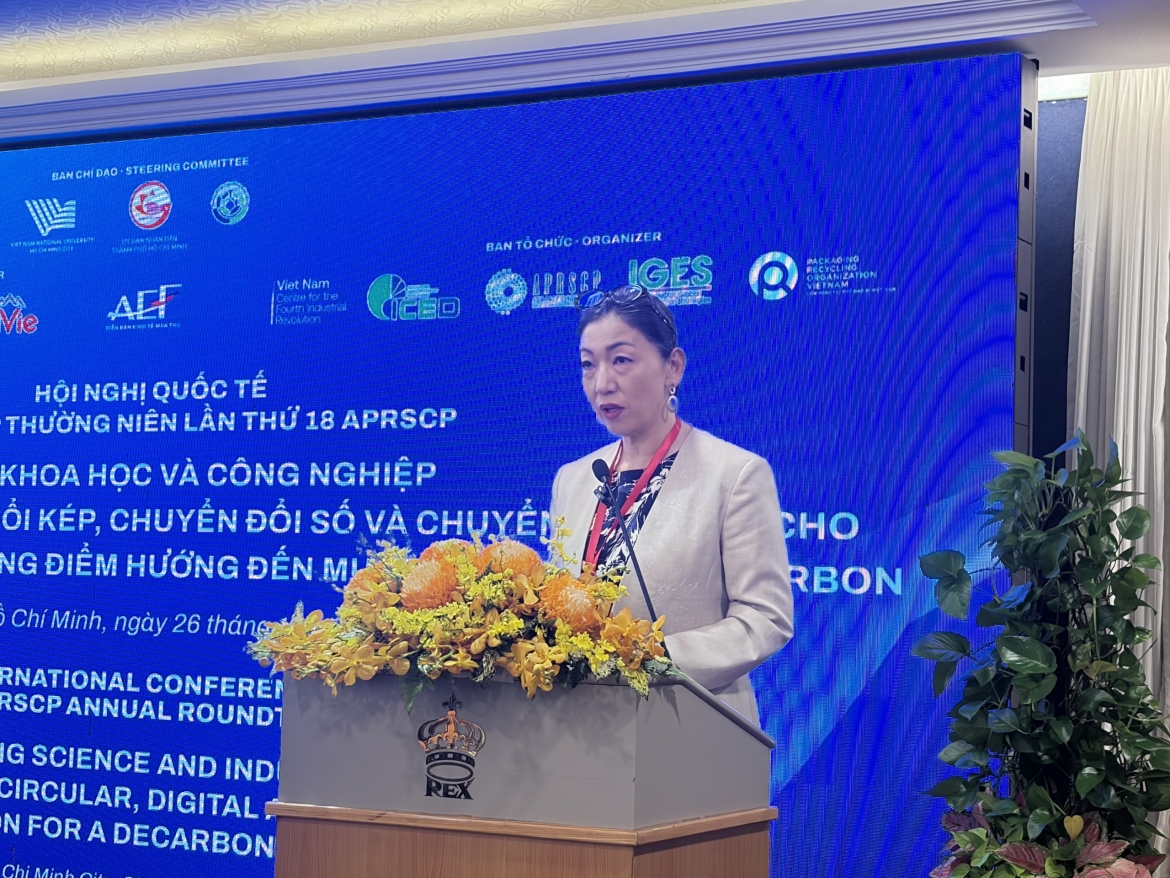
The call was made at the 18th Asia-Pacific Roundtable on Sustainable Consumption and Production (APRSCP 2026), held in Ho Chi Minh City on October 26 on the sidelines of the city’s Autumn Economic Forum 2026. The event centred on closer regional cooperation, cross-border circular supply chains and access to green finance.
Participants discussed how to translate policy commitments into practical cooperation models, technology applications and investment projects that could be implemented and scaled up across the region.
From Vietnam’s experience to regional cooperation
Akiko Yamamoto, Regional Team Leader for Asia and the Pacific, Environment and Energy at the United Nations Development Programme (UNDP), said the circular economy goes beyond waste management and recycling. It requires a fundamental shift in how the economy is designed and operated to use resources more efficiently, reduce emissions and create new value.
Citing experience in Vietnam, Yamamoto stressed that UNDP has supported Hue City in analyzing 174 material flows, with data collection and consultations involving more than 10 government agencies.
The study identified 14 priority solutions that directly informed the city’s circular economy action plan. Hue is now preparing for implementation, including plans for a circular economy centre and initiatives to support small and medium-sized enterprises (SMEs).
Building on this experience, Yamamoto proposed that ASEAN consider piloting cross-border circular economy models, initially focusing on selected value chains such as plastics, textiles and electronics.
She noted that manufacturing networks across Asia are highly interconnected, with raw materials, components, assembly operations and material recovery often spread across multiple countries. This made coordination on product standards, digital data, trade regulations and financing mechanisms essential.
Yamamoto said Vietnam’s circular economy programme is among the most advanced in the region. She also highlighted the Vietnamese Government’s commitment and the participation of businesses, including SMEs, in the shift from a linear to a circular economic model.
Piloting technologies and mobilizing green finance
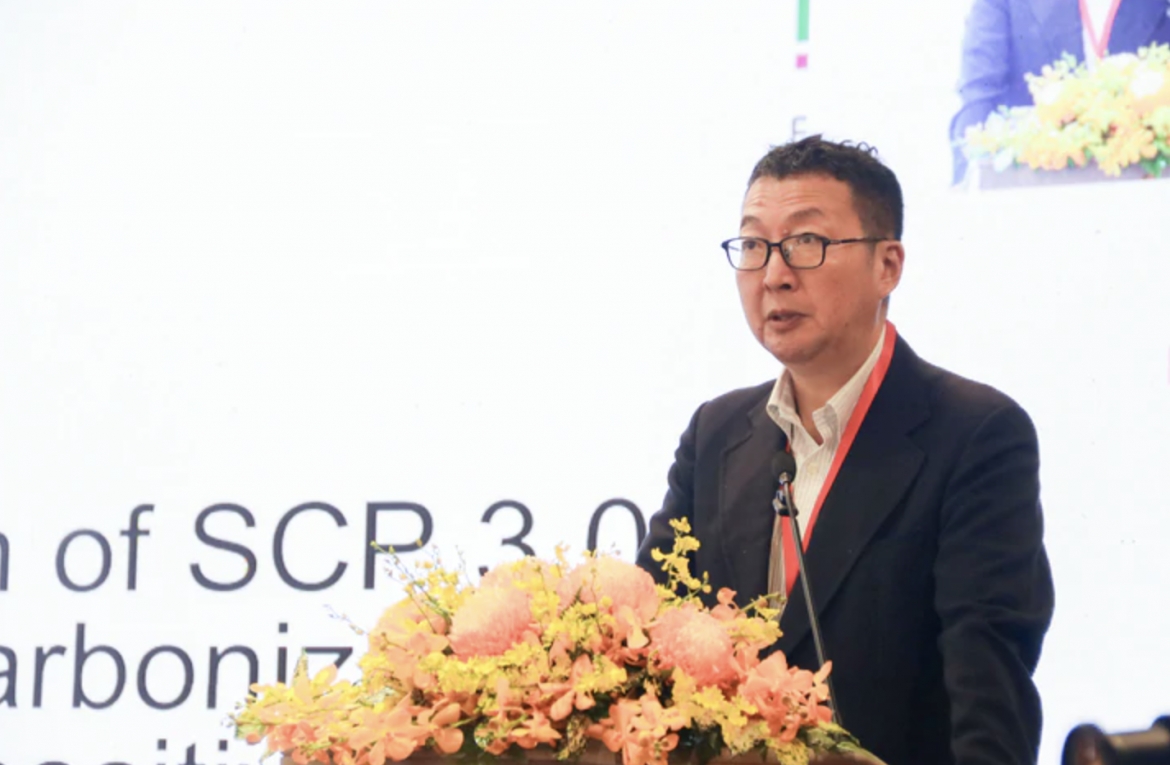
Offering recommendations for Vietnam, APRSCP President Yasuhiko Hotta emphasised that the country should complement improvements to environmental policies with real-world pilot projects to advance the circular economy, using what is known as a “living laboratory” approach.
Such models can demonstrate how the transition works in practice and helps assess whether new solutions can create investment opportunities for financial institutions, the Government and businesses.
Hotta added that Vietnam's transition from a developing country toward an emerging economy presented opportunities to implement more of these initiatives.
Representing Vietnam, Hoang Van Tam, head of the General Affairs Division at the Ministry of Industry and Trade's Department of Science, Technology and Digital Transformation, said digital and green transitions have become essential to strengthening national competitiveness.
Vietnam needs to strengthen links between science and industry and promote innovation through cooperation among businesses, research institutes, universities and government agencies, he said.
Tam pointed out that digital transformation should directly support the green transition. Priorities include smart manufacturing, digital traceability, shared data on product life cycles and the expansion of circular economy practices across key industries, particularly plastics and textiles.
At the regional level, the Ministry of Industry and Trade representative called for ASEAN and international partners to identify priority areas for cooperation. He also underscored the need for mechanisms, standards and attractive green financing sources to enable businesses, especially SMEs, to invest in innovation.
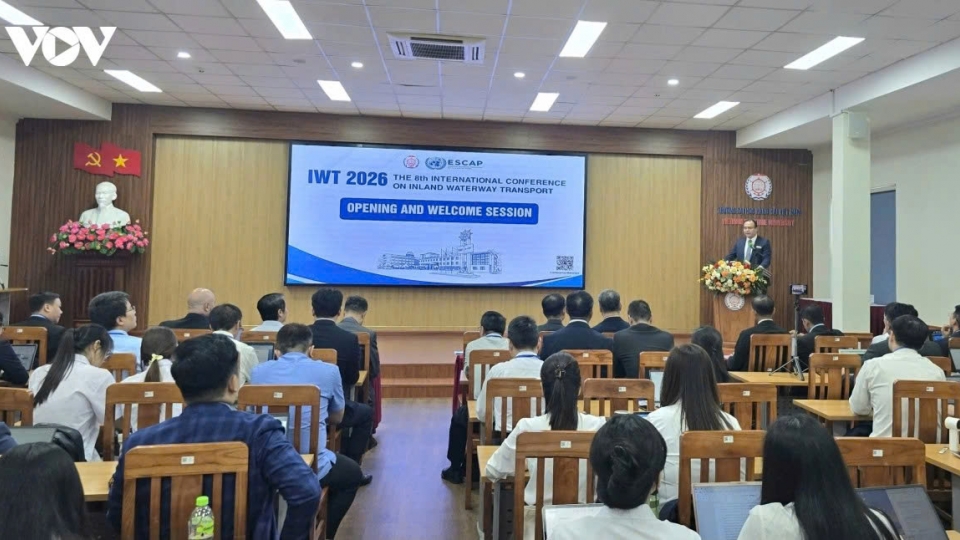
Hai Phong conference highlights green, smart waterborne transport
VOV.VN - Experts at an international conference in Hai Phong have highlighted the need for stronger international cooperation, green technology and better transport connectivity to promote the sustainable development of maritime and inland waterway transport.