Hai Phong conference highlights green, smart waterborne transport

VOV.VN - Experts at an international conference in Hai Phong have highlighted the need for stronger international cooperation, green technology and better transport connectivity to promote the sustainable development of maritime and inland waterway transport.
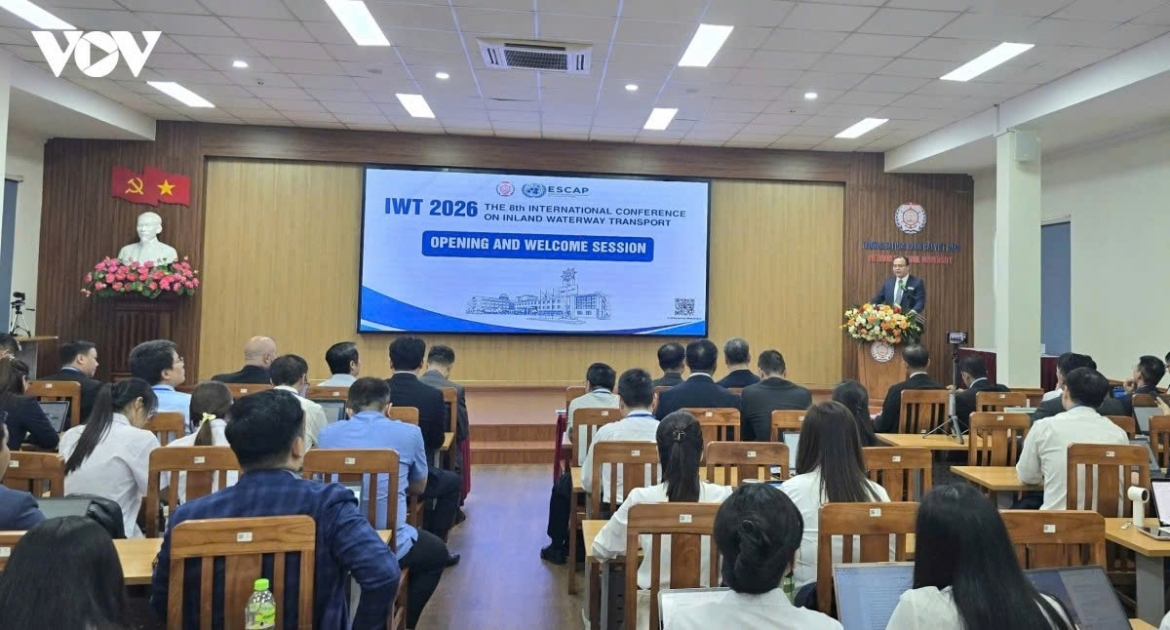
The issue was discussed at the 8th International Conference on Inland Waterway Transport held in Hai Phong city on October 16 by Vietnam Maritime University in cooperation with the United Nations Economic and Social Commission for Asia and the Pacific (ESCAP).
Speaking at the conference, a representative of the Vietnam Maritime and Waterway Administration introduced the country’s advantages in developing waterborne transport, including its extensive river network, coastline of more than 3,200 kilometres and numerous major seaports and inland waterway ports.
Waterborne transport can carry large volumes of cargo at relatively low cost and with lower emissions, helping ease pressure on roads and improve national logistics efficiency, the representative said.
Green technology and multimodal connectivity in focus
In recent years, the Vietnam Maritime and Waterway Administration has worked to improve the regulatory framework and transport planning, upgrade infrastructure, apply information technology, enhance traffic safety and protect the environment. Priorities include energy transition, electrification, alternative fuels, green ports and waterways, data digitalisation and multimodal transport connectivity.
To advance sustainable maritime and inland waterway transport, the administration has called for stronger international cooperation in green technology transfer, smart port development and smart logistics, alongside efforts to mobilise green finance and train highly skilled workers.
Associate Professor Dr Nguyen Minh Duc, vice rector of Vietnam Maritime University, emphasised the importance of integrating inland waterways with seaport networks, helping to improve freight connectivity and reduce logistics costs. He stressed the need for coordinated measures covering infrastructure, vessels and operational arrangements, particularly to develop an efficient inland waterway network and strengthen links between different modes of transport.
“Multimodal connectivity is a particularly important policy priority. One of the most significant links is between inland waterways, maritime transport and railways, with seaports serving as key hubs. As a major seaport city, Hai Phong has an important role to play in connecting maritime transport, inland waterways and rail at its ports, thereby improving logistics efficiency,” Duc said.
Regional cooperation key to sustainable transport
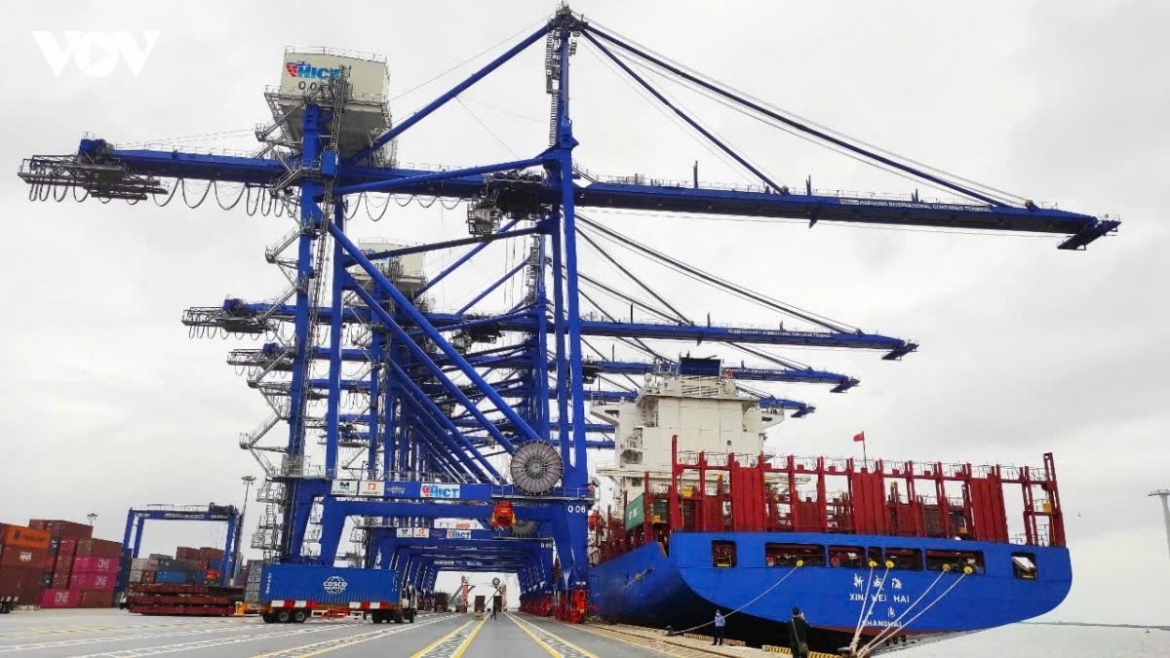
Conference participants also discussed the Asia-Pacific Regional Action Programme for Sustainable Transport Development for 2027-2031, which places emphasis on strengthening maritime connectivity, developing seaports and improving waterborne transport systems.
Experts noted that the green and digital transitions require not only investment in technology and infrastructure but also coordinated action by government agencies, businesses and educational institutions.
Sooyeob Kim, an economic affairs officer in the Transport Division of ESCAP, called for a focus on digitalisation, carbon emissions reduction and sustainable growth through cooperation among all stakeholders.
According to him, digital transformation, carbon emissions reduction and sustainable growth should be pursued through coordinated efforts by all stakeholders. He noted that cities could not achieve these goals independently, stressing the need for cooperation among local authorities, transport companies, universities and related sectors. He also recommended establishing closer cooperation mechanisms to ensure the effective implementation of proposed solutions.
During the conference, Vietnamese and international experts and researchers exchanged views on the green transition, digital technologies, smart supply chain management, infrastructure development, emissions reduction and environmental protection in maritime and inland waterway transport. Discussions also covered sustainable infrastructure, green financing mechanisms and workforce training.
The conference is expected to help promote research cooperation, technology transfer and human resource development, supporting the transition towards a greener, smarter and more sustainable transport system.
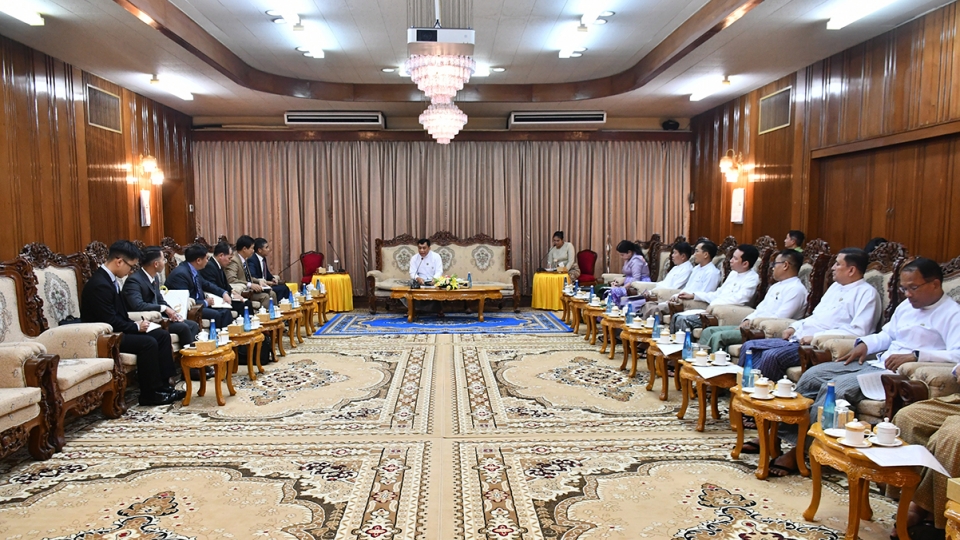
Vietnam, Yangon Region expand economic ties, green transport, local connectivity
VOV.VN - Vietnam and Myanmar’s Yangon Region are expanding practical cooperation in trade, investment, green transport and local connectivity, with both sides looking to translate existing ties into specific projects and business opportunities.