Tourism boom draws global luxury hotel brands to Vietnam

VOV.VN - A surge in tourist arrivals and rising hotel performance in Vietnam are attracting a growing number of international hospitality brands seeking to expand into the country’s fast-growing luxury hotel market.
Data from the Vietnam National Authority of Tourism show the country welcomed more than 4.68 million international visitors in the first two months of 2026, representing a year-on-year rise of 18.1%.
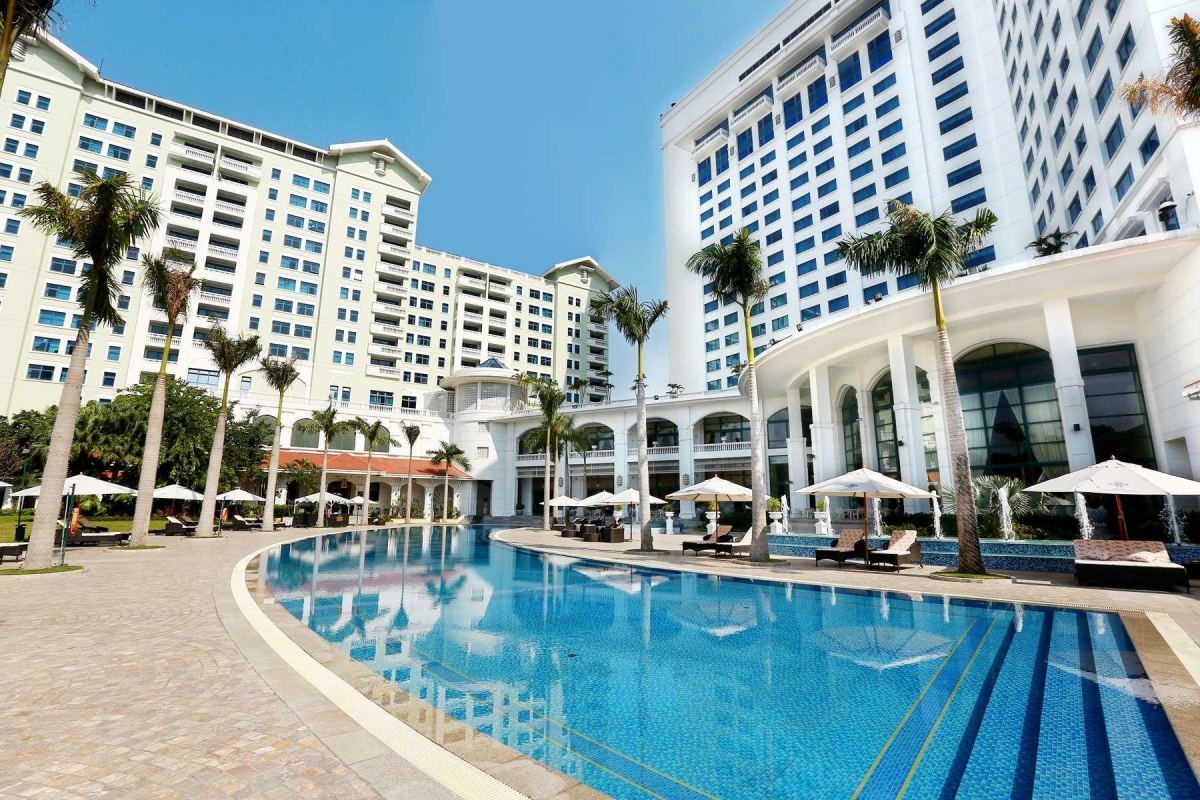
Beyond rising visitor numbers, spending on accommodation has also improved noticeably. Hotel occupancy rates and room prices in major cities such as Ho Chi Minh City and Hanoi exceeded pre-pandemic peaks seen in 2018–2019 toward the end of 2025, creating strong momentum for 2026.
In the five-star segment, the average daily room rate has reached US$170–188 per night, with occupancy rates of 75–80%. Four-star hotels are charging around US$110–130 per night, with occupancy ranging from 72–78%.
Industry analysts say these figures reflect steady demand from international tourists, business travelers and the growing MICE tourism segment, which combines travel with meetings, incentives, conferences and exhibitions.
According to global property consultancy Avison Young, the mid- to high-end hotel segment remains the primary driver of the market, with room prices and occupancy rates staying relatively high compared with the period before the COVID-19 pandemic.
Five-star hotels in Hanoi currently have an average room rate of around US$160 per night, with occupancy levels ranging between 70% and 75%. In the four-star segment, the average room rate is about US$95 per night, with occupancy reaching 68–73%.
These operating levels suggest a stable recovery in international tourist flows as well as increasing domestic demand for high-end accommodation.
According to Karan Khanijou, senior vice president, Investment Sales, Asia, JLL Hotels & Hospitality Group, Vietnam is gradually emerging as a new destination on the regional hotel investment map.
Compared with more mature hospitality markets such as Thailand or Singapore, Vietnam still has significant growth potential thanks to the rapid increase in international visitors, competitive operating costs and a luxury hotel supply that has yet to reach saturation.
Market forecasts suggest the supply pipeline will continue to expand. According to Avison Young, a Canada-based global commercial real estate advisory firm, Hanoi could see nearly 1,300 new hotel rooms from international brands in 2026.
In the longer term, Savills, UK-based global real estate services provider, estimates that the capital may add around 4,000 new hotel rooms by 2028, most of them in the four- and five-star segments. Several satellite localities in northern Vietnam are also expected to increase hotel supply as regional transportation infrastructure improves.
Hanoi has set a target of welcoming 30–35 million visitors this year. With more relaxed visa policies and additional international flight routes, demand for mid- and high-end accommodation is set to stay stable, particularly in central areas and properties managed by international brands.
Hotels integrated with conference and event facilities for the MICE segment are also seen as having strong growth potential.
Rising competition in the luxury segment
According to JLL, the increasing presence of major domestic and international players suggests that Vietnam’s hotel market is entering a phase of ownership restructuring.
In this phase, internationally standardised properties with prime locations and professional management are becoming attractive targets for investors ranging from financial funds to real estate developers and global hotel management groups.
Alongside mergers and acquisitions, the market is also witnessing a strong influx of international hotel brands.
For example, the upcoming Fairmont Hanoi, part of the portfolio of Accor, is projected to mark a strategic move in the competition for the luxury segment in the capital.
Earlier, Ho Chi Minh City also saw the emergence of Rêve Ho Chi Minh City, a project under the Vignette Collection brand of IHG Hotels & Resorts.
According to Michael Piro, chief executive of Indochina Capital, the entry of international hotel brands is pushing domestic operators to raise service standards while helping the market attract higher-spending international travelers through global distribution networks.
However, financial pressures remain a challenge for investors. Rising operating costs, interest rates and difficulties in mobilising capital continue to pose barriers, particularly for smaller developers.
New regulations under the 2024 Land Law and Resolution 68 on private sector development have strengthened the legal framework for private sector participation in the hospitality market, but industry observers say it may take time for the policies to fully translate into new investment projects.
Seasonality and heavy reliance on international tourists also mean that cash flows for many resort developments are vulnerable to global economic fluctuations or changes in visa policies.
Meanwhile, analysts at Avison Young note that although air connectivity has improved significantly, regional road transport infrastructure are uneven, which could affect the travel experience during peak tourist seasons.
Against this backdrop, Indochina Capital executives recommend that hotel developers consider partnership strategies such as mergers and acquisitions. For operating hotels, repositioning through partnerships with strong global brands or joining international hospitality ecosystems could create greater long-term value than operating independently.
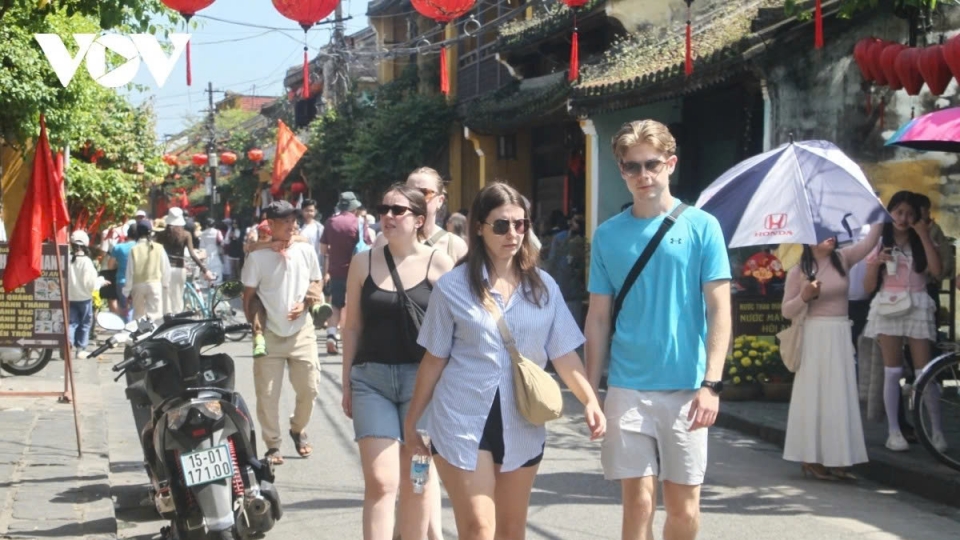
International arrivals to Vietnam up 18% in first two months of 2026
VOV.VN - International tourism to Vietnam continued to expand in the early months of 2026, with nearly 4.7 million foreign visitors recorded in the first two months of the year, highlighting sustained growth momentum in the country’s tourism industry.