Supporting industries must rethink competitiveness in the AI era

VOV.VN - Artificial intelligence (AI) is rapidly transforming global manufacturing, forcing Vietnam's supporting industries to rethink how they compete in an increasingly technology-driven economy.
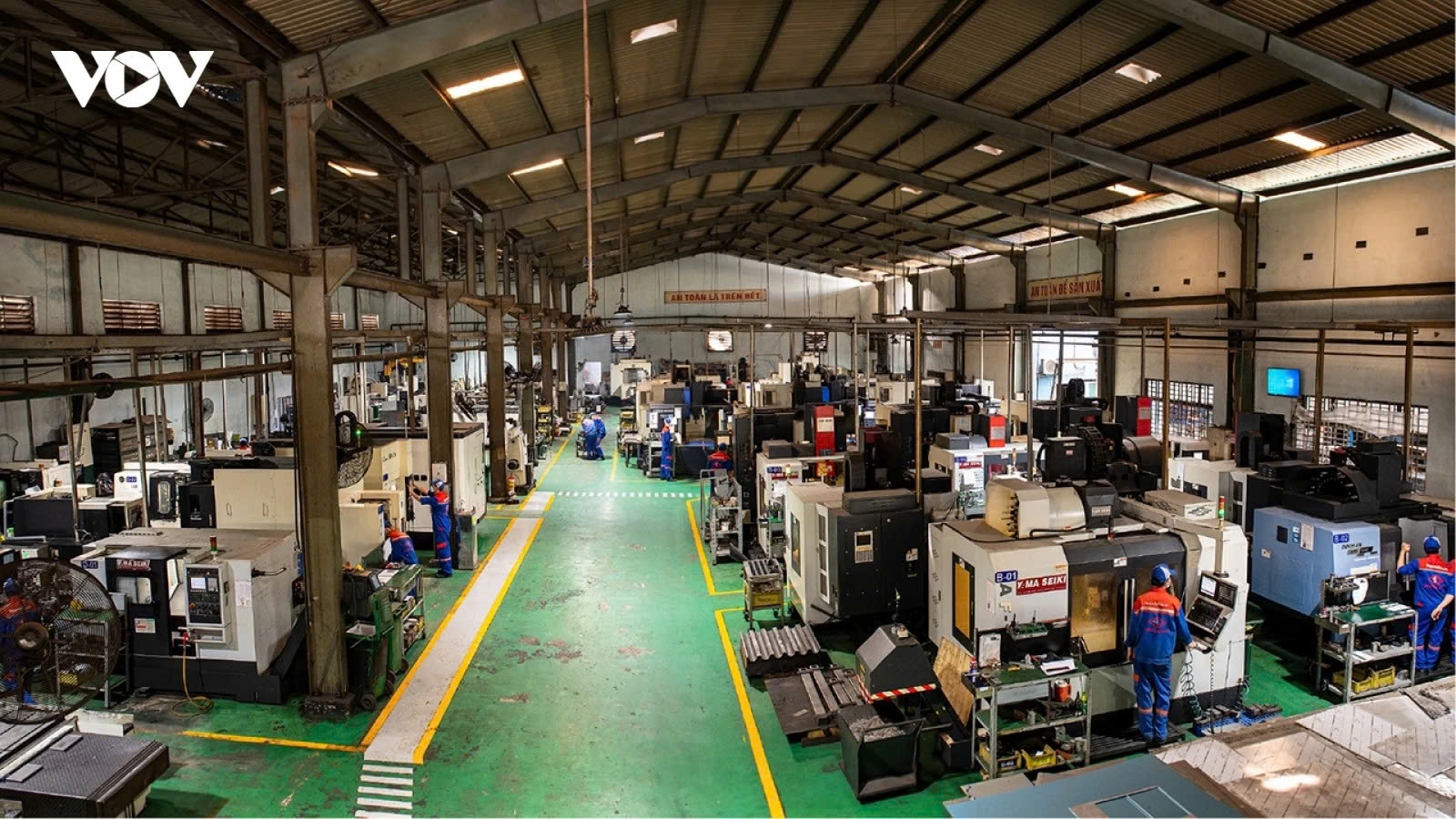
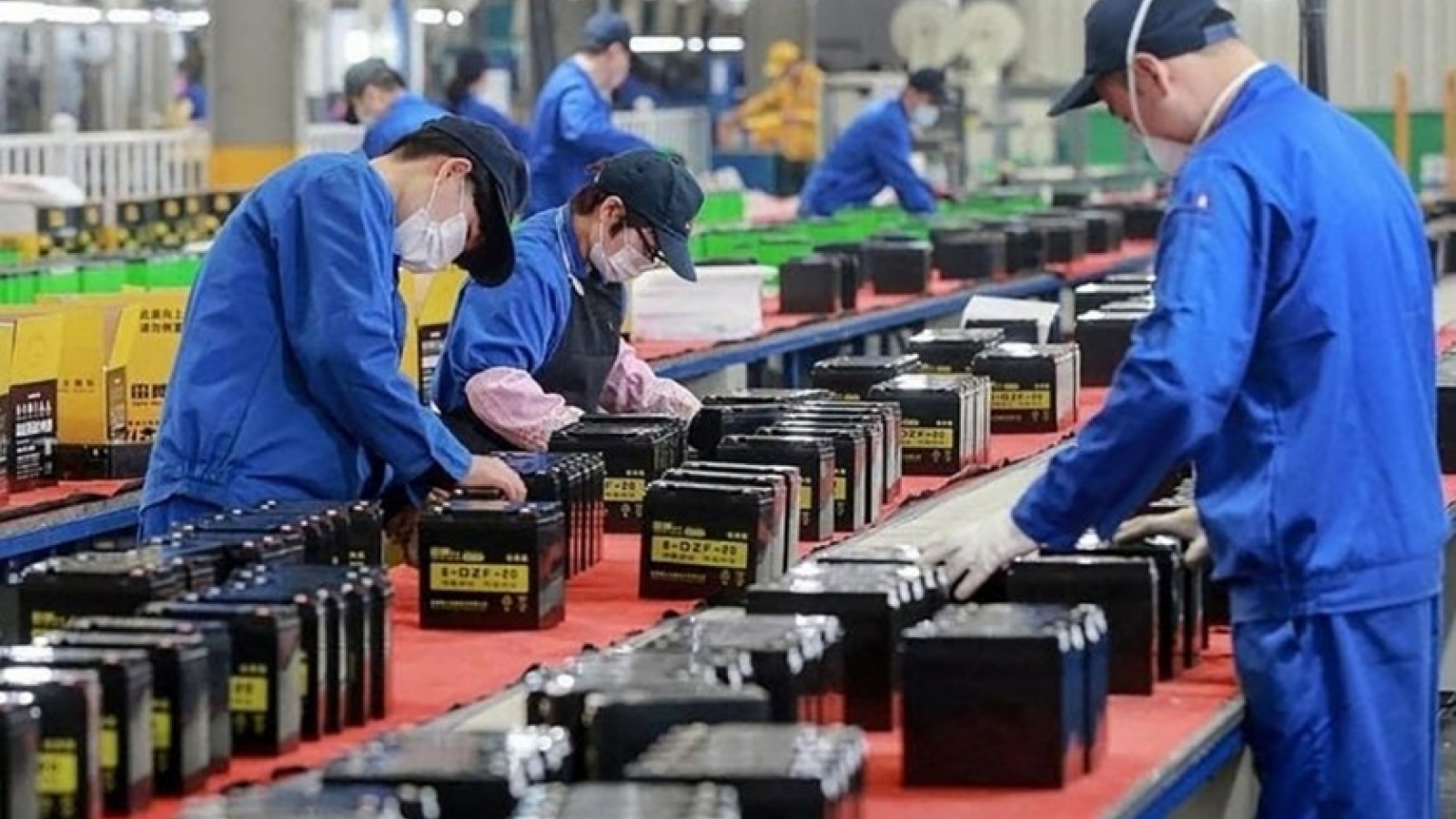
Industry experts say the country's traditional advantage of low-cost labour is gradually losing relevance as AI, robotics and automation replace routine manufacturing tasks. In the years ahead, technological capability, data-driven management and a highly skilled workforce will become the key factors determining competitiveness.
The assessment was shared at a forum on digital transformation and AI adoption in supporting industries recently held in Ho Chi Minh City.
Cheap labour is no longer a competitive advantage
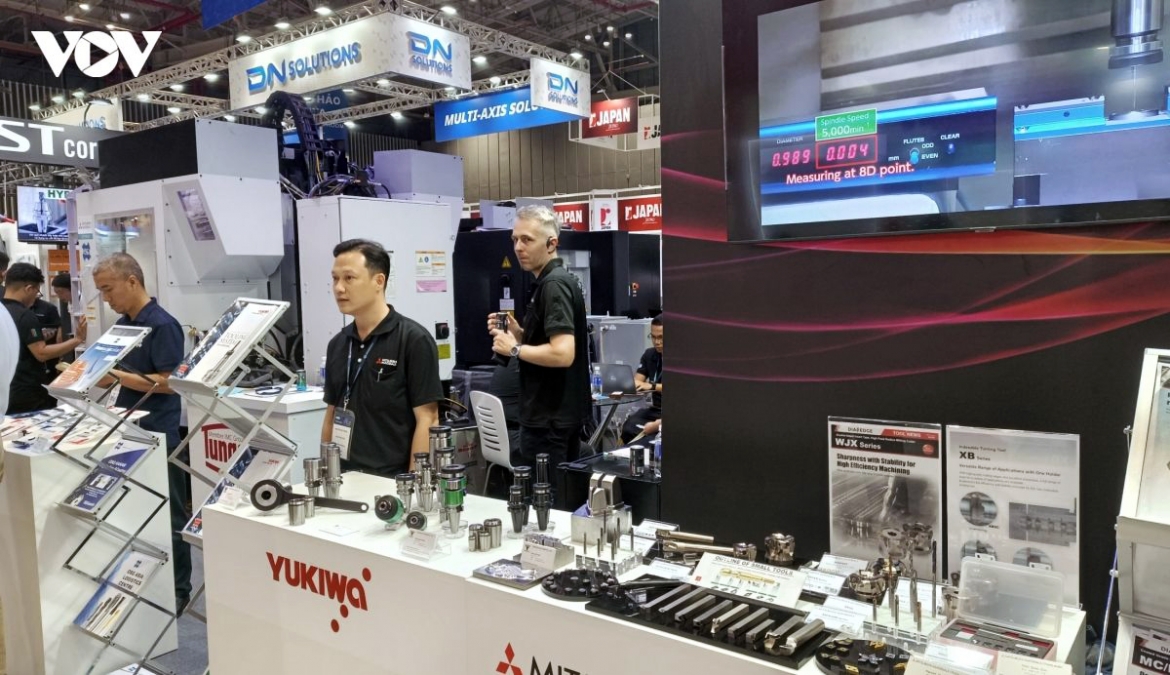
According to Le Truong Duy, director of the Ho Chi Minh City Centre for the Fourth Industrial Revolution (C4IR), most Vietnamese supporting-industry companies are small in scale and have yet to reach regional or international manufacturing standards.
As global supply chains increasingly prioritise smart manufacturing and digitalised production, businesses should begin by assessing their factories' digital readiness and identifying operational weaknesses before designing an appropriate transformation roadmap.
He said Ho Chi Minh City is working with the World Economic Forum (WEF) to develop a smart manufacturing programme that will provide companies with standardised assessment criteria, enabling them to evaluate production capabilities and access financing, technology and market support.
Experts noted that AI can only deliver meaningful results when companies possess standardised, high-quality data.
Nguyen Thi Phuong Quyen, director of Enterprise Digital Transformation Solutions at MISA Group, pointed to the fact that many manufacturers are eager to adopt AI without first building the necessary data infrastructure.
"Businesses need to integrate data across production, finance, inventory and sales before AI can effectively support forecasting, analytics and operational optimization," she said.
She added that future manufacturing organisations are likely to adopt Human-Agent Teams, where each employee is supported by multiple AI assistants to improve productivity and decision-making.
People remain the decisive factor

Do Hoang Trung, chairman of technology company IDEAS, argued that while AI is transforming manufacturing processes, human capability is the foundation of long-term competitiveness.
He predicted that competition across global supply chains would become increasingly intense between 2025 and 2030, as multinational corporations gain access to low-cost manufacturers in many countries.
"Vietnam can no longer rely on inexpensive labour," he said. "To stay competitive, companies must master product design, manufacturing technologies and data-driven management. Ultimately, however, people are the decisive factor."
According to Trung, many manufacturers are not short of orders but struggle to recruit highly qualified workers, making investment in workforce development one of the most sustainable long-term strategies.
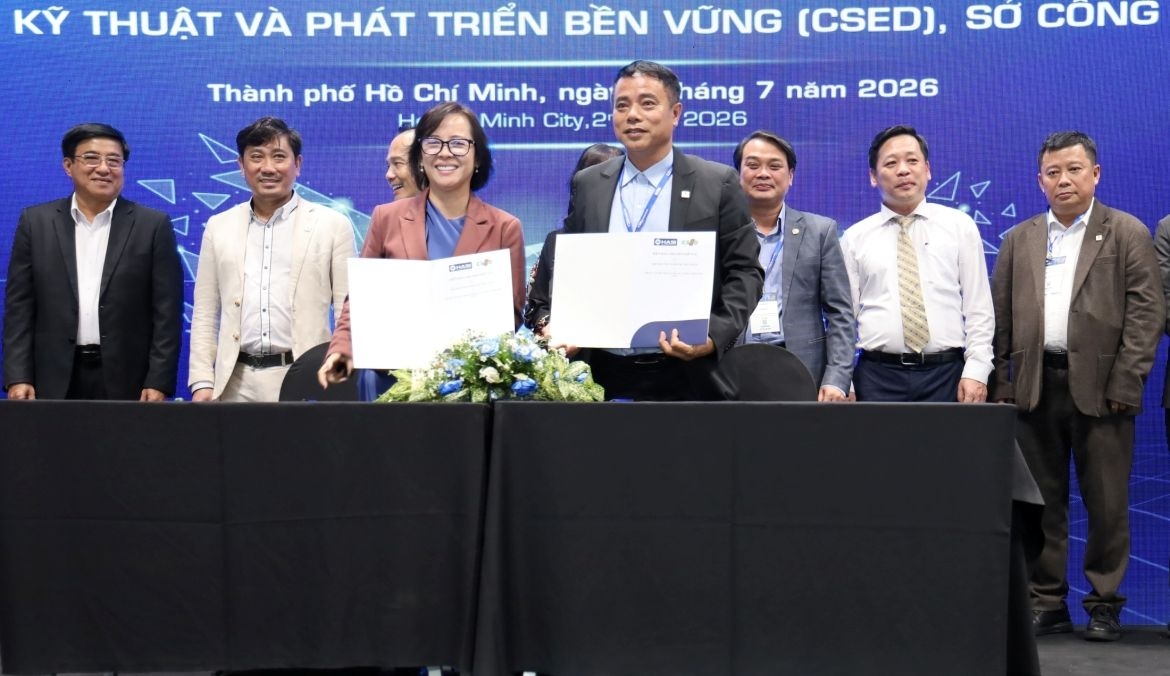
Vo Son Dien, chairman of the Ho Chi Minh City Supporting Industries Association (HASI), echoed this view, noting that many domestic companies still fall short of the strict standards required by international buyers.
HASI is currently working with multinational corporations and training organisations to help small and medium-sized enterprises modernise production processes, accelerate digital and green transformation, and comply with increasingly demanding environmental and innovation standards.
AI presents both pressure and opportunity
Experts agreed that AI represents far more than another production technology, it is fundamentally changing how manufacturing operates.
Companies capable of leveraging AI to improve productivity, standardise data, automate operations and develop high-quality talent will be better positioned to move up global value chains.
Those that continue relying primarily on inexpensive labour and traditional production models, however, risk falling further behind regional competitors.

Resolution creates unprecedented opportunities for supporting industries
VOV.VN - For the first time, Vietnam's supporting industries have been positioned as a central pillar in the country's strategy to attract high-quality foreign direct investment (FDI).