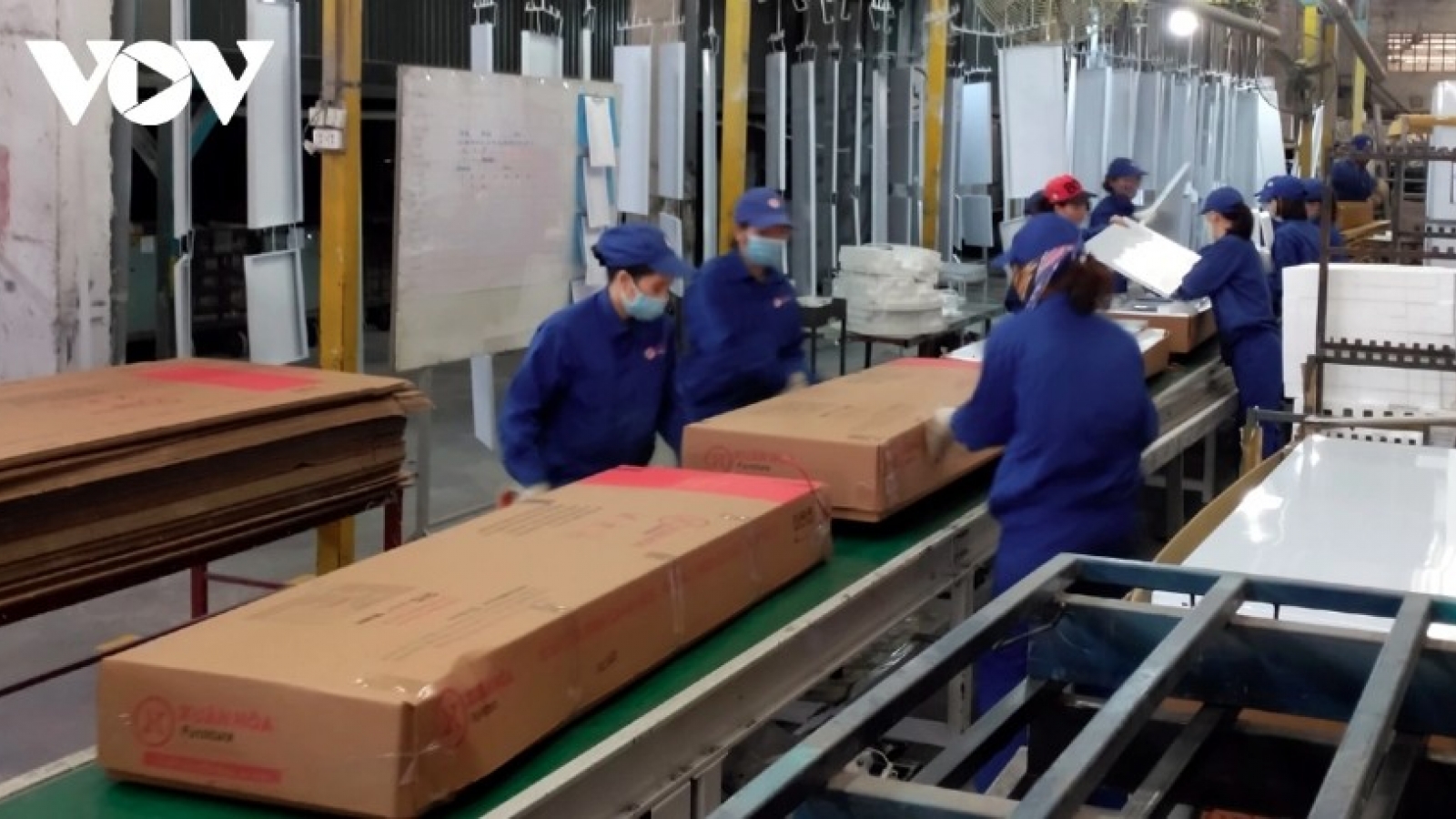
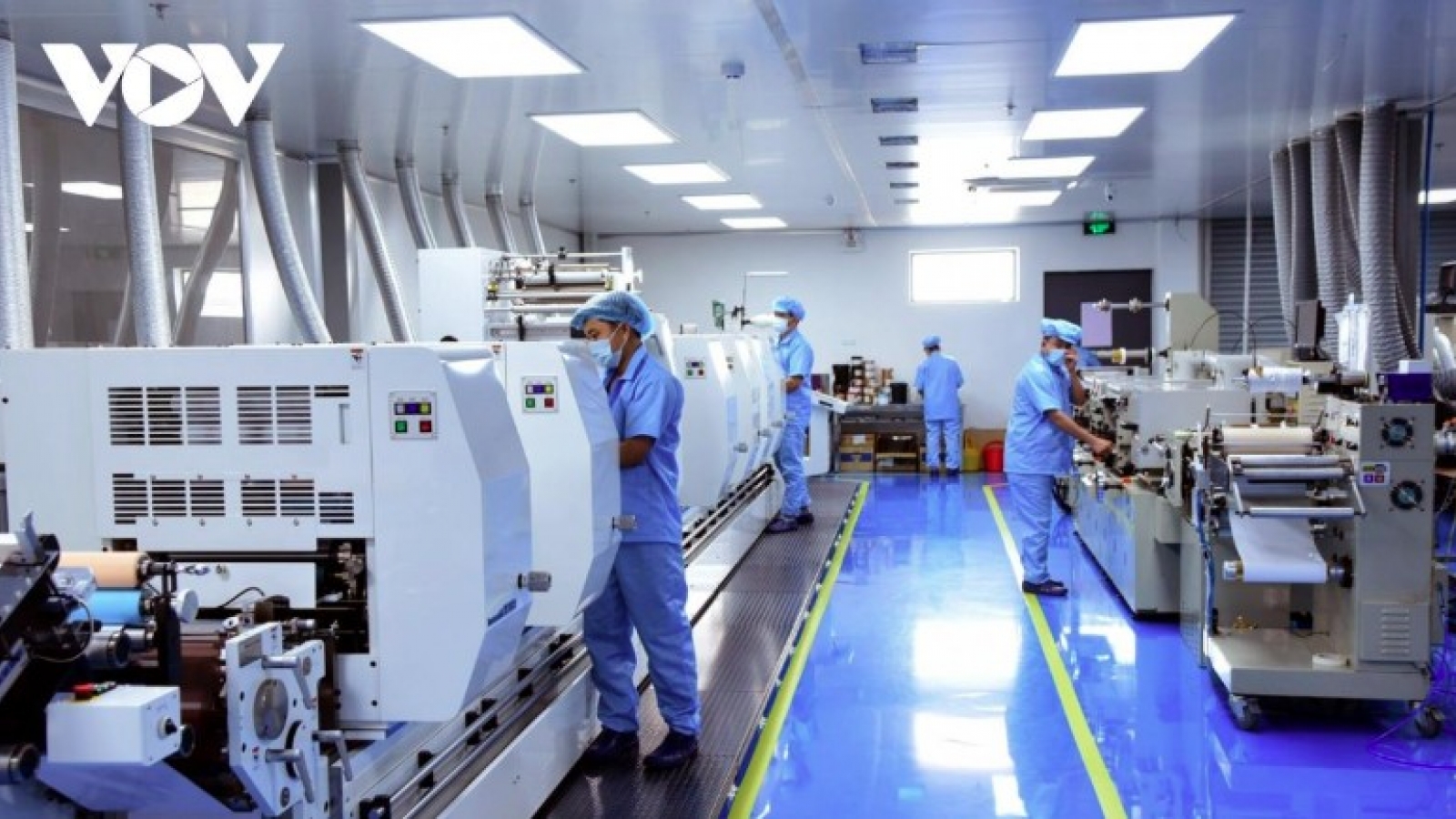
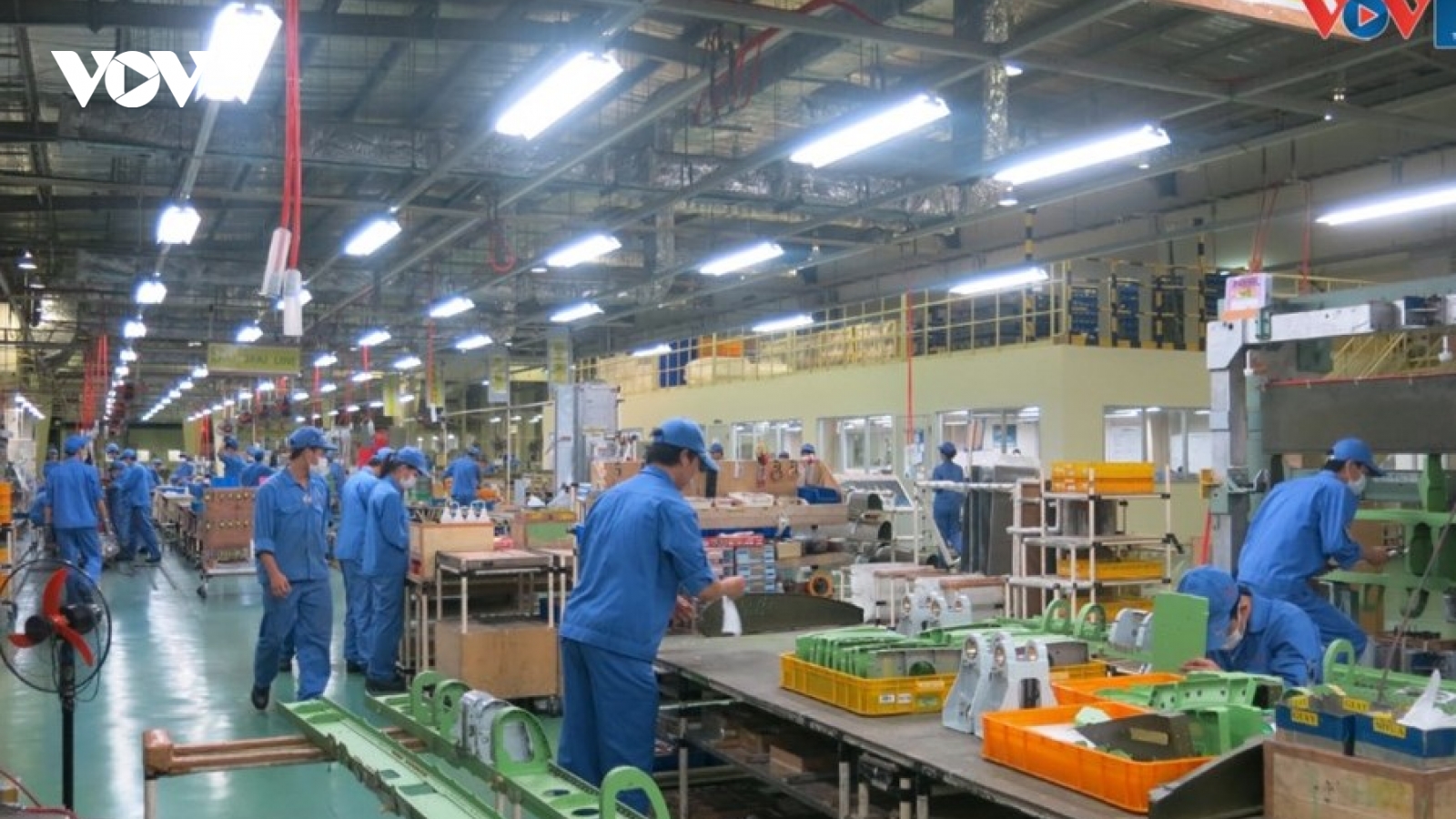
Long-term programme unveiled to strengthen supporting industries and supply chains

VOV.VN - Vietnam has approved a new national programme on supporting industries development for the 2026–2035 period, aiming to strengthen domestic manufacturing capacity, enhance technological self-reliance, and deepen the country’s engagement in global supply chains.
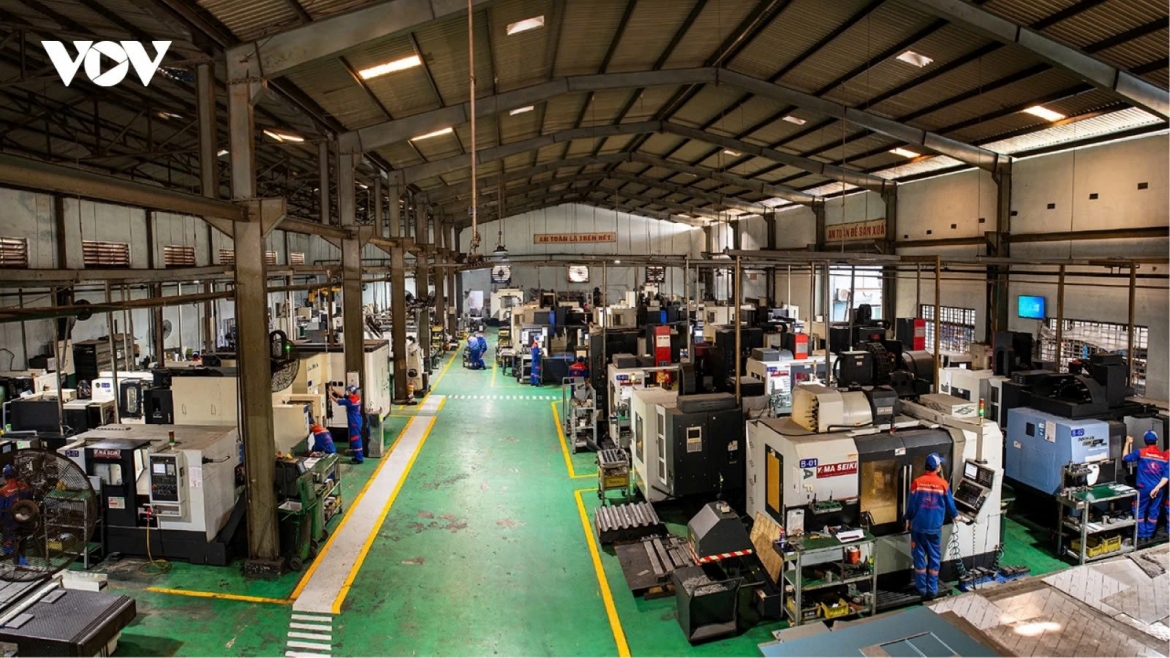
Deputy Prime Minister Pham Gia Tuc signed Decision No. 929/QD-TTg dated May 25, approving the programme, which outlines Vietnam’s long-term vision for building a modern, autonomous, and internationally competitive industrial base.
Under the new strategy, supporting industries are identified as a key foundation for improving national production capacity, reducing dependence on imported components and raw materials, and creating new momentum for long-term industrial growth.
The programme seeks to not only expand manufacturing output but also develop technological capabilities and a domestic business ecosystem capable of integrating more deeply into regional and global supply chains.
A core orientation of the programme is to place supporting industry enterprises at the centre of the innovation process. The government will act as a facilitator through institutional reforms, science and technology support, workforce development, and market expansion, while enterprises are expected to become the driving force behind innovation, production upgrades, and competitiveness improvements.
One of the strategy’s major highlights is its focus on linking supporting industries with technological innovation and digital transformation.
Vietnam aims to develop manufacturing capabilities based on automation, advanced technologies, and smart manufacturing models while meeting international standards on environmental protection, energy efficiency, and sustainable development.
The transition is considered an important step toward improving the quality of industrial growth amid intensifying competition in global supply chains.
The programme also prioritises investment and resources for high-value-added sectors such as smart electronics, energy equipment, railways, automobiles, mechanical engineering and automation, high-tech industries, as well as greener textile and footwear manufacturing.
The goal is to establish production clusters with stronger technological capabilities, increase localisation rates, and gradually master higher-value segments within manufacturing supply chains.
By 2030, Vietnam aims to raise localisation rates across several key industries, including 25–30% for electronics, 40% for mechanical engineering, 22–30% for automobiles, 60% for textiles, 60–65% for footwear, and around 15% for high-tech industries.
At the same time, the government plans to support hundreds of supporting industry enterprises in upgrading management systems, manufacturing standards, and research and development capabilities to meet the requirements of leading domestic and international manufacturers.
Looking toward 2035, Vietnam envisions a supporting industries sector in which most sub-sectors achieve advanced technological standards, produce internationally competitive products, and participate more deeply in global value chains.
Domestic enterprises are expected to gradually move beyond contract manufacturing and take on more active roles in research, design, and production, thereby strengthening Vietnam’s position within regional manufacturing networks.
To achieve these goals, the programme will focus on improving policies for supporting industries, promoting science and technology development, training high-quality human resources, building integrated industrial databases, and expanding market connections between Vietnamese enterprises and major global manufacturing corporations.
FDI wave opens opportunity as supporting industries seek escape from outsourcing trap
VOV.VN - With foreign direct investment (FDI) disbursement hitting a record US$27.62 billion, Vietnam has an opportunity to emerge as a new global manufacturing hub.