Stronger competitiveness sought as export growth faces global pressures

VOV.VN - Vietnam total import-export turnover hit more than US$930 billion in 2025, with exports exceeding US$475 billion, up 17% from 2024. The figures reflect deeper integration and growing adaptability of the national economy amid continued fluctuations in the global market.
Hoang Minh Chien, Deputy Director of the Trade Promotion Agency under the Ministry of Industry and Trade, said the growth is accompanied by considerable pressure. Rising trade protectionism and stricter requirements on sustainable development, environmental and social standards, traceability and digital transformation are creating new challenges for exporters.
The current requirement is to maintain growth while strengthening product competitiveness and increasing value across the entire chain, from design and materials to production, branding and distribution.
Key export sectors including textiles and garments, footwear, wood and forestry products and handicrafts face growing demands to upgrade technology, improve quality and meet new standards to retain market share in major markets.
Ngo Sy Hoai, Vice Chairman and Secretary General of the Vietnam Timber and Forest Products Association, said wood and forestry exports reached about US$18.2 billion in 2025, maintaining average annual growth of 10-18% over more than a decade. However, the increasing use of trade remedies has created major pressure, with some products subject to countervailing duties of up to 25% and the risk of further increases.
To sustain growth and enhance competitiveness, Hoai said the sector needs to diversify markets, consolidate traditional destinations such as Japan, the Republic of Korea, China and the European Union, and expand into the Middle East, Africa and South America. Enterprises must take a more active role in design and product development, invest in technology and digital transformation, and strengthen trade promotion.
In textiles and garments, Le Xuan Vy, Deputy General Director of TNG Investment and Trading JSC, said countervailing duties have significantly affected production and business operations. In response, the company has updated production technology and raised value from design and material selection to the development of a sustainable growth strategy in order to improve the competitiveness of its export products.
Economists say Vietnam’s network of 17 free trade agreements remains an important driver of export growth. To make effective use of these agreements, businesses need to understand market-specific requirements, rules of origin, technical standards and related conditions.
Tran Quoc Toan, Deputy Director of the Import-Export Department under the Ministry of Industry and Trade, said the Government will continue implementing support programmes, including export training and advisory services, guidance on rules of origin and the provision of market information.
He recommended that businesses carefully study target markets before signing contracts and exporting goods, and fully comply with requirements on traceability, origin, food safety, labelling and packaging to maintain stable exports, pursue sustainable development and strengthen competitiveness in the international market.
Export growth in 2025 is a positive signal, but challenges remain as market requirements become stricter and competition intensifies. Strengthening competitiveness is therefore not only an immediate task but a necessary path for Vietnam’s exports to develop sustainably within global trade chains.
Exports jump nearly 30% in January, but trade posts US$1.78 bln deficit
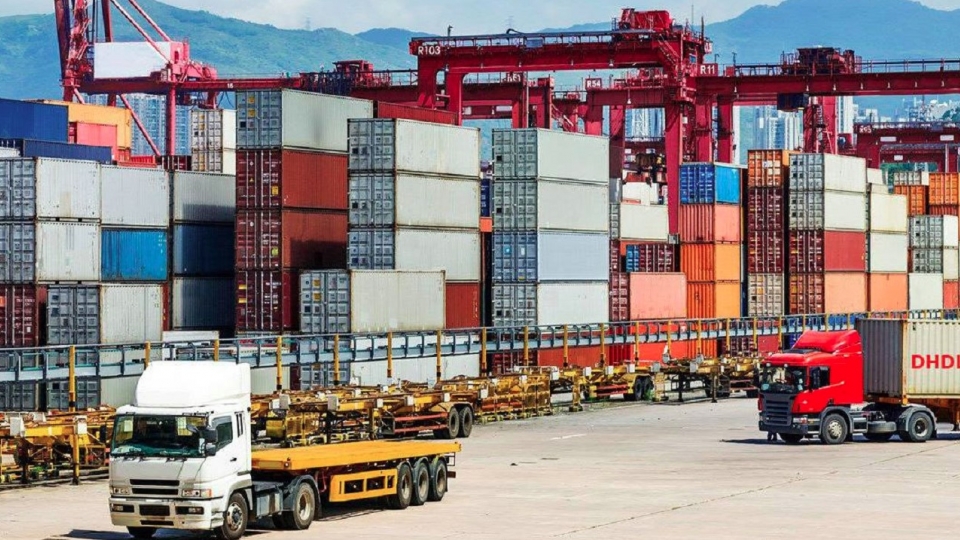
VOV.VN - Vietnam’s exports surged nearly 30% in January from a year earlier, driven by strong shipments from the foreign-invested sector, but a sharper rise in imports pushed the country into a trade deficit, government data showed on February 6.