SPS changes become new test for Vietnam’s agricultural exports

VOV.VN - As exports continue to serve as a major driver of Vietnam’s economy, increasingly strict international regulations on food safety and sanitary and phytosanitary (SPS) measures are placing mounting pressure on Vietnamese agricultural exporters.
In particular, the General Administration of Customs of China’s Decree 280, set to take effect on June 1, 2026, is expected to significantly reshape export procedures, forcing businesses to become more proactive in document management, production standardisation, and supply chain transparency if they want to maintain access to key markets.
While the transition may create short-term difficulties, experts believe it also presents an opportunity for Vietnam’s agricultural sector to accelerate restructuring toward a more professional, sustainable, and internationally competitive model.
New SPS regulations raise pressure on exporters
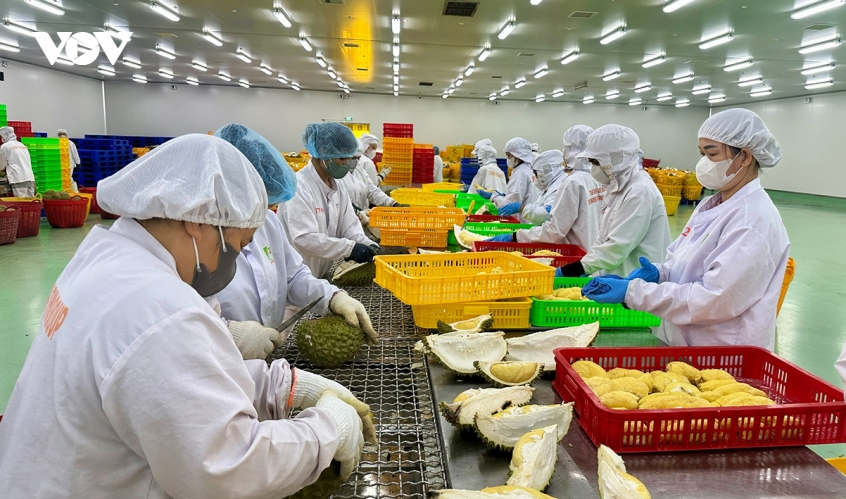
As one of the major macadamia processing and exporting companies in Dak Lak province, Damaca Nguyen Phuong Company said SPS requirements under the Regional Comprehensive Economic Partnership (RCEP), along with newly introduced technical regulations, have now become vital conditions for maintaining export markets.
According to Nguyen Thi Thu Phuong, director of the company, the biggest challenge lies not only in understanding the regulations, but also in fully implementing them throughout production and export operations.
“We hope to receive clearer guidance whenever regulations or decrees change. Businesses need to know what steps must be taken, which agencies are directly responsible for support, and what assistance mechanisms are available regarding procedures, documents, or funding. With proper guidance and support, companies will feel more confident investing in process upgrades and expanding into international markets,” Phuong said.
Not only processors, but also agricultural production, packaging, and storage facilities exporting to China are expected to be directly affected by changes in China’s management system.
Under Decree 280, enterprises will be required to independently complete registration procedures on the CIFER system after receiving an introduction letter from competent authorities, instead of relying on agencies to handle most procedures as before. This means companies must take full responsibility for the accuracy of documents, declarations, and registration data.
The shift has raised concerns among exporters, especially during the transition period before the new rules officially take effect.
Huynh Phu, a representative of an agricultural trading company, said his business is currently applying for packaging facility codes under the existing process and worries that procedures may need to be redone after June 1, 2026.
“Our company has already submitted applications for packaging codes under the current regulations. After June 1, 2026, when Decree 280 officially takes effect, will businesses need to resubmit all documents, or will current registrations remain valid? If issues arise while working with specialised agencies, which authority should enterprises and localities contact for timely guidance?” Phu asked.
Businesses urged to improve transparency and data management
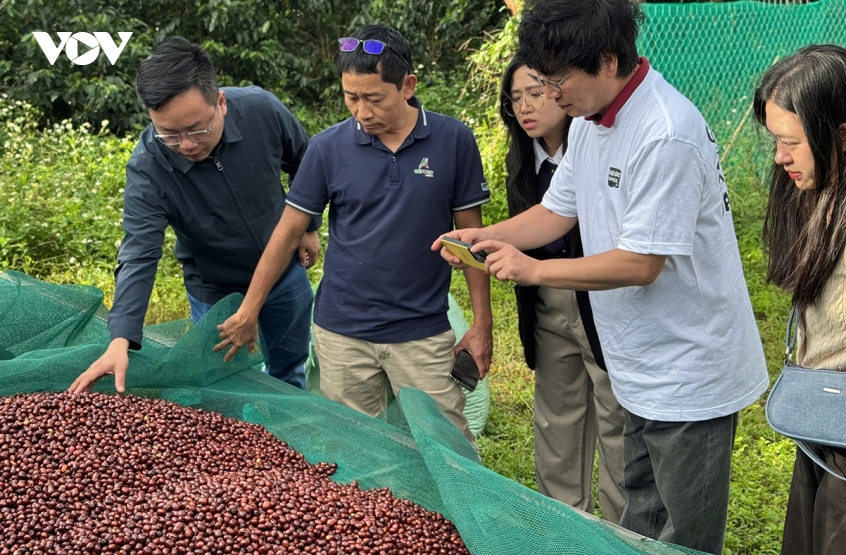
Experts said these concerns reflect the strong demand for practical guidance programmes, particularly as implementation deadlines approach.
Addressing the issue, Ngo Xuan Nam, deputy director of Vietnam SPS Office under the Ministry of Agriculture and Environment, said authorities are urgently coordinating with localities and enterprises to disseminate information, standardise documents, and strengthen registration capacity.
According to Nam, the biggest obstacle is not the complexity of the procedures, but the level of initiative and accuracy shown by businesses during document preparation.
“Businesses need to carefully study all relevant regulations and guidance. I can confirm that once companies fully understand the requirements, registration procedures are not overly difficult. However, documents must be standardised consistently, from spelling and declared information to factory images and production facility details. Even a small mistake can result in rejection by foreign authorities,” Nam stressed.
The Ministry of Agriculture and Environment noted that for key export products such as durian, fresh fruits, processed foods, and plant-based products, strict compliance with SPS standards will help reduce the risk of warnings, shipment rejections, or temporary import suspensions.
Experts emphasised that SPS compliance is no longer just a technical requirement, but a crucial factor in protecting the reputation of Vietnamese agricultural products amid intensifying global competition.
Stricter standards seen as opportunity for sustainable growth
At the same time, many experts believe technical barriers are also creating positive pressure that could push Vietnam’s agricultural sector toward greater transparency and sustainability.
When businesses proactively improve product quality standards and authorities provide timely support, Vietnamese agricultural products will gain better opportunities to expand into global markets and enhance export value.
At the recent conference on “Updates on Food Safety and SPS Regulations under the RCEP Agreement and China’s Decree 280,” Deputy Minister of Agriculture and Environment Vo Van Hung emphasised that removing obstacles for businesses must be accelerated before June 1, 2026, to avoid disruptions to agricultural, forestry, and fishery exports.
“We are committed to working closely with localities, agencies, and the business community to ensure the best, most proactive, and most flexible preparation for new regulations. The goal is to improve export efficiency, support agricultural consumption for farmers, and help Vietnamese agricultural products continue to grow in both the Chinese market and other international markets,” Hung said.
As international standards continue to tighten, maintaining product credibility, strictly complying with SPS regulations, and adapting quickly to new requirements will become the key factors determining whether Vietnamese agricultural products can expand sustainably and strengthen their position in global trade.

Durian traceability standardization in Central Highlands for sustainable development
VOV.VN - The development and implementation of a traceability system is an urgent requirement as the durian sector expands rapidly, particularly in the Central Highlands, according to the Ministry of Agriculture and Environment.