Samsung’s sustained profits underscore Vietnam’s investment appeal

VOV.VN - Samsung Electronics’ continued profitability in Vietnam is emerging as a signal of the country’s enduring appeal as a long-term manufacturing and investment destination, even as global economic conditions remain volatile.
Amid trade tensions and ongoing shifts in global supply chains, Vietnam continues to attract major multinational corporations seeking stability and growth potential. Samsung’s steady business performance in the country stands in contrast to recent international speculation about production relocation trends, according to The Asset, a Hong Kong-based financial publication.
The report said Samsung’s core manufacturing operations in Vietnam recorded stable revenue and profit growth, reinforcing the country’s strategic importance within the company’s global supply chain for smartphones and consumer electronics.
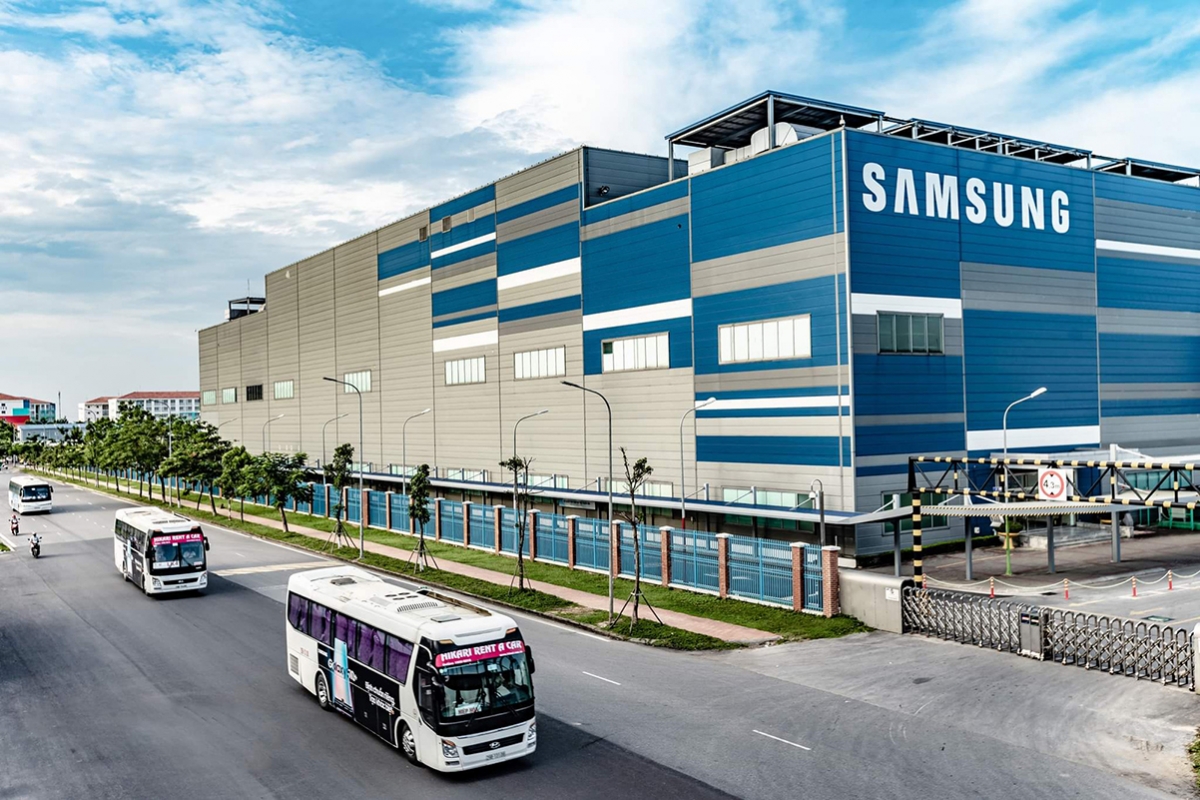
Samsung currently operates six manufacturing plants, one research and development centre and one sales entity in Vietnam. With cumulative investment exceeding US$23.2 billion, the Korean conglomerate is Vietnam’s largest foreign direct investor. Its sustained financial results and ongoing expansion plans reflect continued confidence in the country’s investment climate and policy environment.
Samsung’s performance mirrors a broader trend among foreign investors reporting positive operational outcomes in Vietnam. Analysts say this reflects the country’s relatively strong macroeconomic fundamentals and its policy direction in the current period.
Michael Kokalari, chief economist at VinaCapital, says Vietnam’s recent cornerstone resolutions have opened up greater opportunities for the private sector, signalling a meaningful shift in development thinking. He notes that the country is pursuing more ambitious growth objectives while rebalancing the roles of private enterprise and foreign direct investment.
Technology and artificial intelligence could become critical levers for Vietnam to move beyond the middle-income trap, particularly as global technology firms show increasing interest in the market.
Vietnam should not stop at assembly, he says, pointing to the country’s large pool of engineers and strong STEM potential. In his view, with the right policies in place, Vietnam could make a leap similar to those achieved by Japan and the Republic of Korea, provided it prioritises the development of technology clusters and ensures stable energy infrastructure to attract data centres and next-generation semiconductor facilities.
According to Kokalari, foreign capital is likely to continue flowing into Vietnam as it is increasingly viewed as a relative safe zone compared with other emerging markets facing greater challenges. He says businesses should approach the outlook with cautious optimism, supported by Vietnam’s improving fundamentals and long-term growth prospects.
Samsung requested to be Vietnam’s trusted partner in technology development
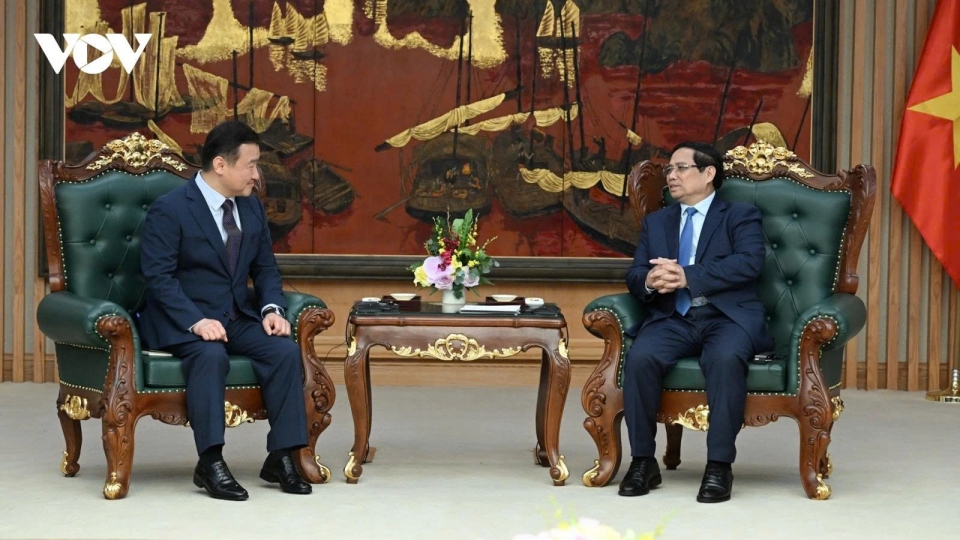
VOV.VN - Prime Minister Pham Minh Chinh has expected Samsung will make long-term investments, transfer technology, and accompany Vietnam in innovation and sustainable development, contributing to the country’s socio-economic development and technological advancement.