Private sector encouraged to support Vietnam’s energy transition

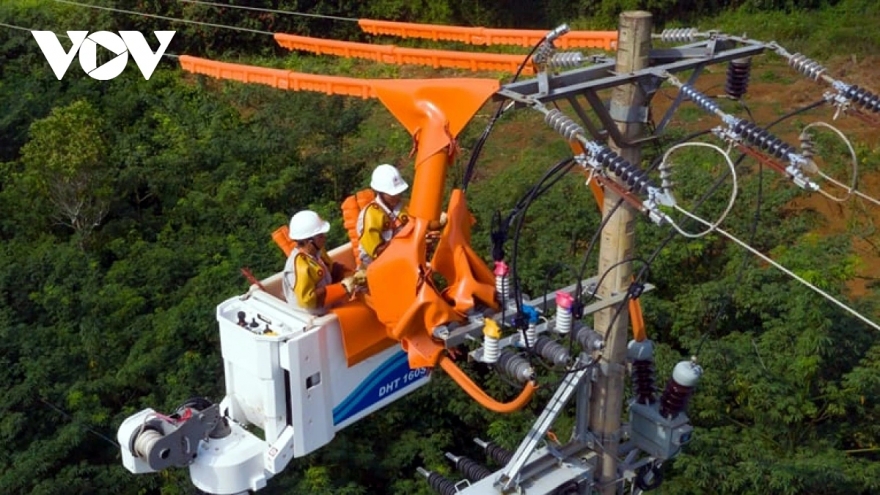
VOV.VN - Amid Vietnam’s ongoing energy transition and its net-zero emissions target by 2050, mobilising private capital is seen as essential to meet rising infrastructure demands, enhance energy security, and drive green growth, said experts at a consultation workshop in Hanoi on December 3.
They held that effective financial policies, innovative investment models, and a clear regulatory framework would determine the country’s ability to attract high-quality domestic and foreign investment.
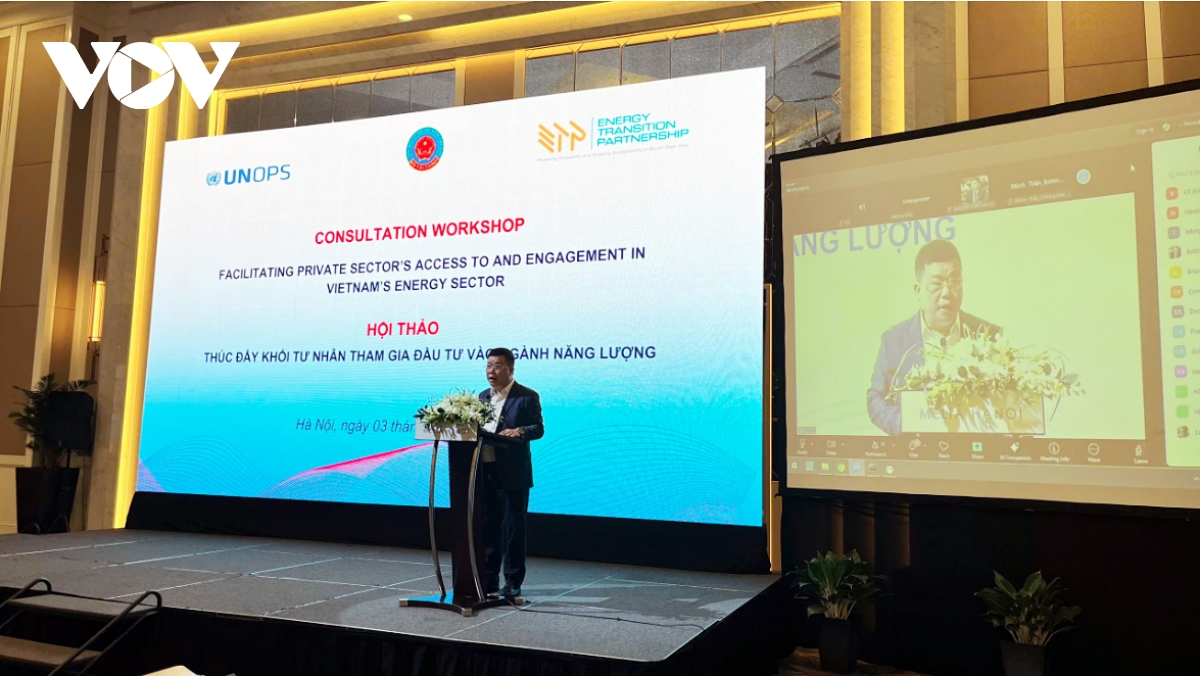
Speaking at the event themed Facilitating Private Sector’s Access to and Engagement in Vietnam’s Energy Sector, Le Tuan Anh, Deputy Director of the Department of Finance – Sectoral Economy under the Ministry of Finance, highlighted Vietnam’s robust GDP growth and projected annual energy demand increase of 8–10% over the next decade.
He noted that the Politburo’s Resolution 55 on the national energy development strategy sets out clear goals to modernise the energy system, develop a transparent and competitive energy market, and mobilise all social resources for renewable energy development by 2030, with a vision toward 2045. The Government’s Power Development Plan VIII estimates total investment in the electricity sector from 2021–2030 at approximately US$134 billion, with private capital expected to play a significant role in building a modern, flexible, and low-emission power system.
He also underscored Vietnam’s COP26 commitment to achieving net-zero emissions by 2050, emphasising the strategic importance of mobilising large-scale domestic and international financial resources, particularly in renewable energy, transmission infrastructure, energy storage, and sustainable green financing.
“The Ministry of Finance is committed to improving financial mechanisms, developing investment tools, and adjusting tax, fee, and credit policies to create a stable, transparent, and internationally aligned investment environment,” he added.

Taking the floor, John Robert Cotton, Deputy Director for the Southeast Asia Energy Transition Partnership (ETP) at the United Nations Office for Project Services (UNOPS), noted the rapidly evolving global energy landscape. He cited the International Energy Agency (IEA) estimates, saying that emerging and developing economies will need to increase annual clean energy investment from US$770 billion today to over US$2.2 trillion by the early 2030s.
These figures, he said, show countries with clear, predictable, and investable frameworks will attract the capital needed for energy transition. COP30 committed to tripling global adaptation finance, yet a gap remains between demand and available resources.
According to the expert, predictable financing and strong domestic frameworks can mobilise large-scale investment. Vietnam’s recent initiatives, particularly under the Politburo’s Resolution 68 on private sector development, provide a clear vision for a more dynamic private sector and demonstrate swift action to improve the investment climate, reduce barriers, and expand economic opportunities.
These reforms send a strong signal to investors and reinforce the role of the private sector across the economy, including in energy transition, he said, adding meeting the requirements of Power Development Plan VIII will require investment far beyond public funding capacity.
The workshop provided a platform for experts and businesses to share international experience, analyse current financial and legal frameworks, assess existing challenges, and explore innovative financial models to enhance private sector participation in Vietnam’s energy transition.
Vietnam, UK boost clean energy and trade cooperation
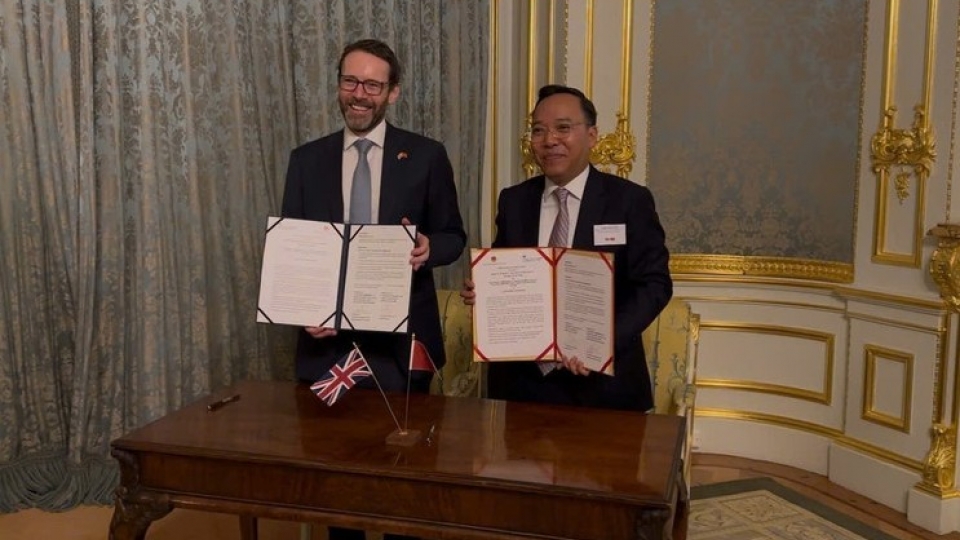
VOV.VN - Deputy Minister of Industry and Trade Nguyen Hoang Long on October 30 held a working session with the Minister for Industry at the Department for Energy Security and Net Zero (DESNZ) and the Department for Business and Trade (DBT), within the framework of Party General Secretary To Lam’s official visit to the UK.