Ho Chi Minh City launches 12-month market stabilisation programme

VOV.VN - Ho Chi Minh City has launched its 2026–2027 market stabilisation programme, aimed at keeping prices in check, ensuring supply and stabilising living conditions as fuel, transport and input costs fluctuate.
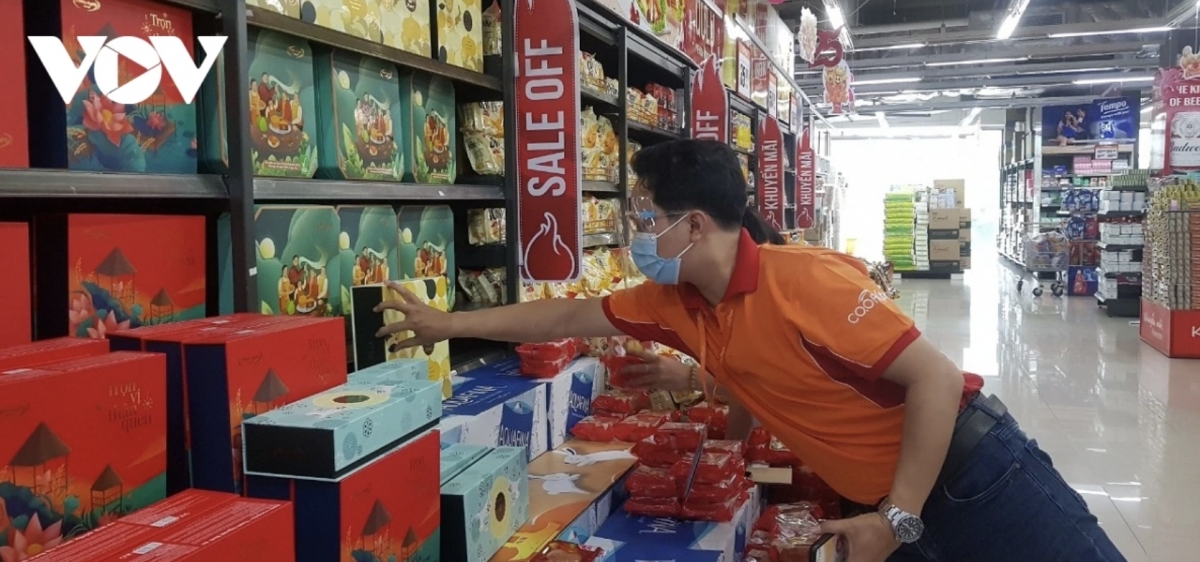
The programme took effect on April 1 and will run for 12 months, said Ngo Hong Y, Deputy Head of the Trade Management Division under the Ho Chi Minh City Department of Industry and Trade, at a briefing on socio-economic performance on April 2.
Its core objective is to balance supply and demand of essential goods, helping stabilise prices and control inflation, while ensuring social welfare, particularly for lower-income groups.
The programme operates on a voluntary, non-subsidy basis. Participating businesses use their own resources to supply goods and must commit to prices at least 5% lower than the market average for comparable products. Prices are registered in advance and remain stable throughout the programme, with adjustments allowed only when input costs change by 3% or more.
This year’s programme involves 66 businesses across four main categories: essential food, school supplies, essential consumer goods and supporting services. Essential food accounts for the largest share, with supply expected to meet 20-30% of market demand in normal months and 25-35% during peak periods such as the Lunar New Year (Tet)
Distribution is organised through supermarkets, convenience stores and traditional markets, alongside mobile sales in industrial zones, export processing zones and outlying areas to help workers and residents access stable-price goods.
A new feature this year links price stabilisation with product quality control through a “green responsibility” criterion, encouraging participating businesses to ensure transparent supply chains and product origin.
The list of goods has been reduced from 13 to 11 groups in the food category to focus resources and improve efficiency.
The city will continue monitoring market developments and coordinate with businesses to ensure supply, avoiding shortages or sudden price increases, Ngo Hong Y said.
He emphasised that the programme serves as both a short-term measure and a longer-term tool for market regulation, helping the city respond flexibly to economic fluctuations.
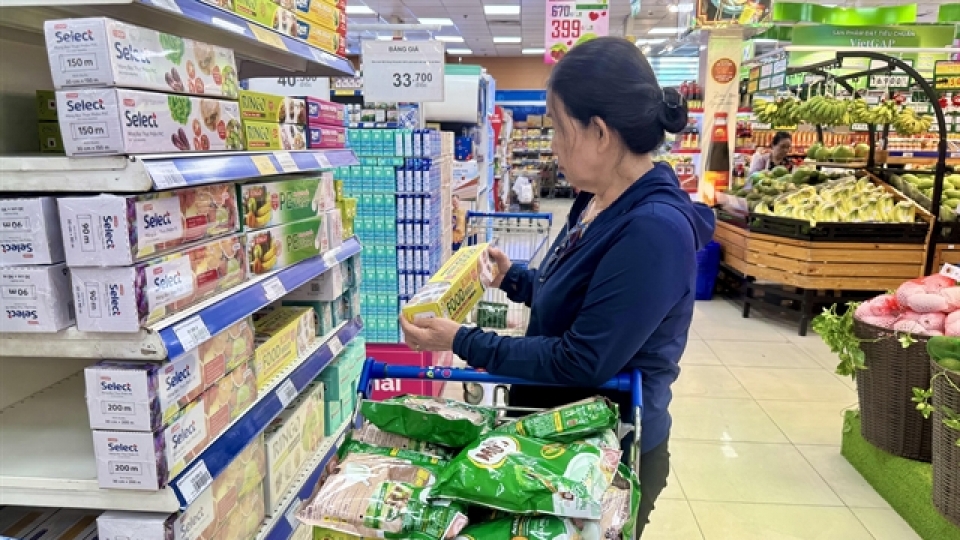
Consumers wary as rising costs drive prices of essentials up
As input costs continue to rise, pushing up prices of goods and services in Ho Chi Minh City, consumers are becoming increasingly tight with their purse strings, prioritising essential items and discounted products.