Sandbox mechanism proposed for international financial centre in Ho Chi Minh City

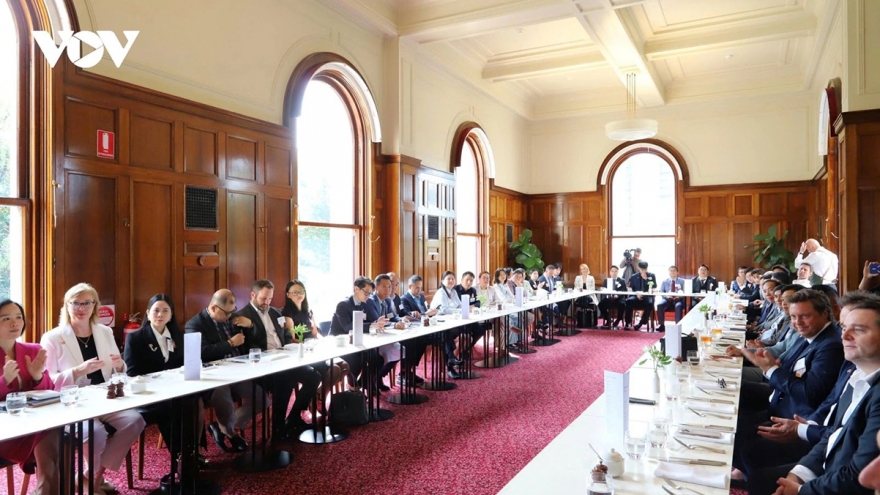
VOV.VN - A scientific workshop on a regulatory sandbox mechanism for the international financial centre was held in Hanoi on April 2 by the Ho Chi Minh City International Financial Centre (VIFC-HCMC), the Global On-chain Economy Alliance (GOE Alliance), the University of Economics Ho Chi Minh City (UEH) and the Nationa
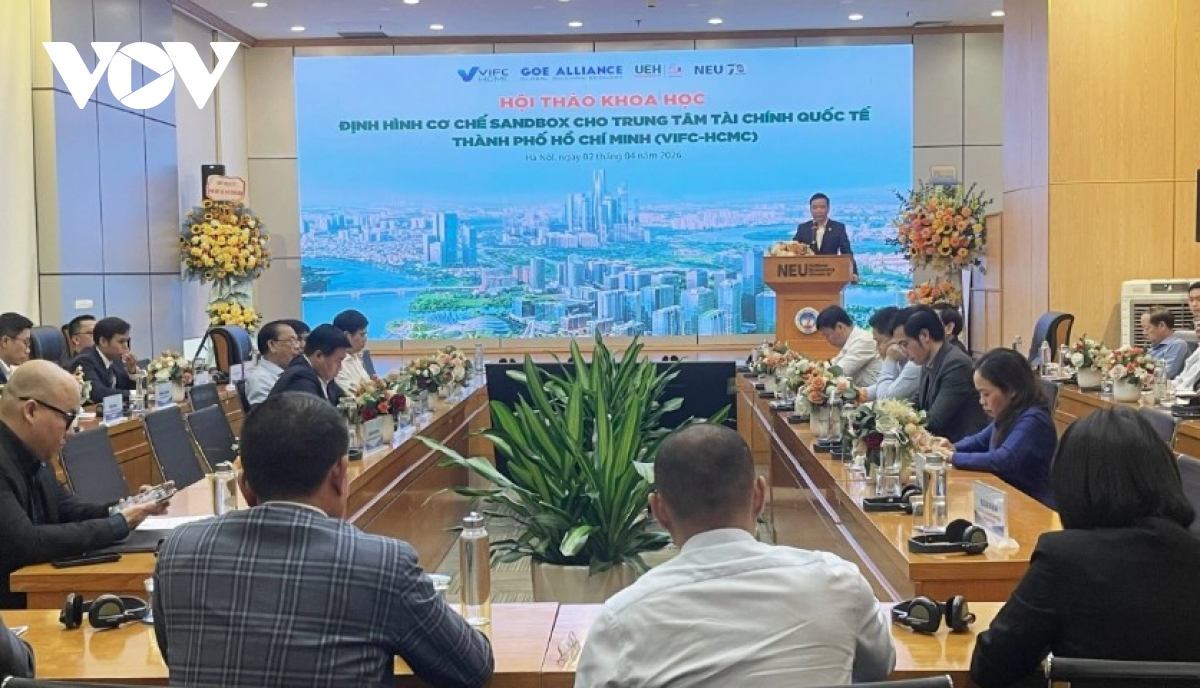
The development of an international financial centre in Ho Chi Minh City is a structural step to reposition Vietnam in the global financial system. In that context, the sandbox is a core institutional foundation for operating a new-generation financial centre.
The mechanism provides a controlled testing environment where legal barriers are temporarily eased to pilot new financial technology products under close supervision. Instead of building regulations based on assumptions, it generates real-world data to inform policymaking, while helping attract global investment funds and high-quality technology talent.
According to Associate Professor Dr Bui Huy Nhuong, Director of the National Economics University, the sandbox is not merely a testing tool but a strategic step to complete the legal framework for emerging technologies, particularly blockchain and digital assets.
It allows fintech firms, startups and financial institutions to test new products, services and business models within a defined scope and timeframe under regulatory supervision, allowing policy adjustments in line with practice.
Experience from major financial centres such as Singapore, Dubai and the United Kingdom has shown that sandbox mechanisms help balance innovation and risk management. For the Ho Chi Minh City international financial centre, the sandbox is not a legal exemption but a risk-based model with active supervision, clear safeguards for investors and a transparent pathway from testing to formal licensing.
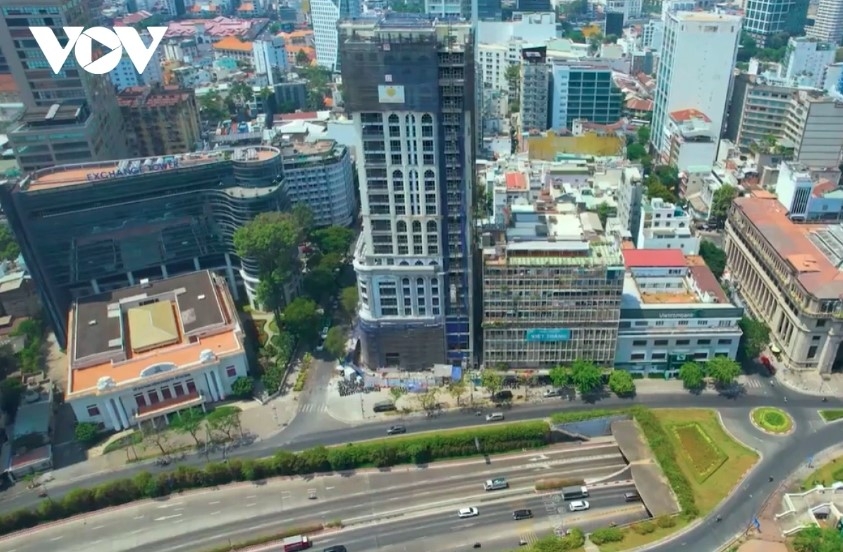
Associate Professor Dr Nguyen Huu Huan, Vice Chairman of VIFC-HCMC, said no international financial centre can succeed without a sandbox. He said a modern sandbox relies on data-driven, real-time risk management, acting as a regulatory tool and a means to attract investment and strengthen national competitiveness.
The sandbox will support the development of key areas including digital finance, digital assets, cross-border payments, real-world asset tokenisation, green finance and carbon markets, fields that lack a full legal framework but hold significant future value.
Experts stressed that the sandbox is not a “legal-free zone”. Core principles such as personal data protection, anti-money laundering, national security and monetary sovereignty remain unchanged. The mechanism shifts governance from prohibition to controlled experimentation and from passive control to active supervision.
From a strategic perspective, the sandbox is not just a “legal buffer” but a “policy laboratory”, helping Vietnam respond to rapid changes in financial technology. As traditional legal frameworks lag behind innovation, the mechanism helps the country seize opportunities to attract capital flows and develop digital finance.
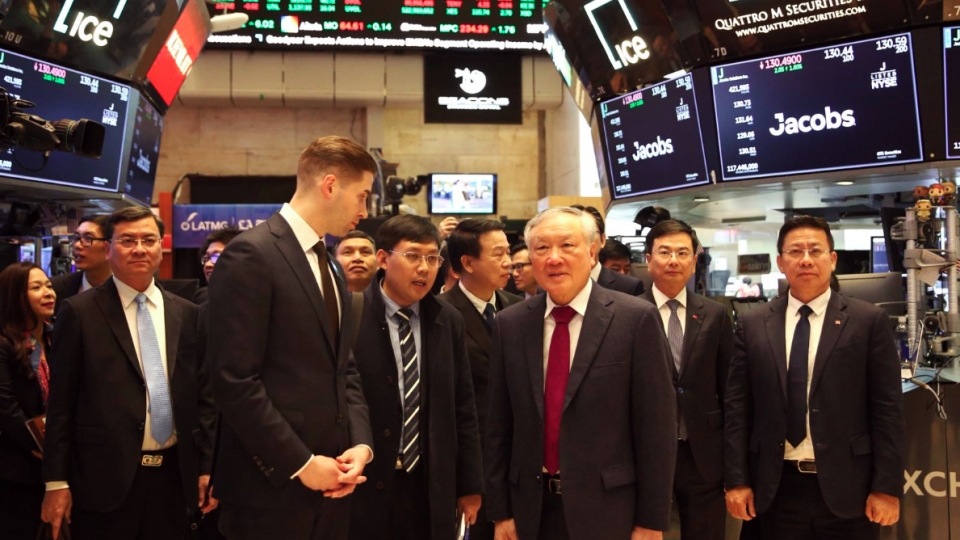
Vietnam learns from US financial leaders to develop International Financial Centre
VOV.VN - Deputy Prime Minister Nguyen Hoa Binh on March 23 visited New York to engage with leading US financial institutions, including NASDAQ, the New York Stock Exchange (NYSE), and investment firm Warburg Pincus, aiming to gather insights for developing the Vietnam International Financial Centre (VIFC).
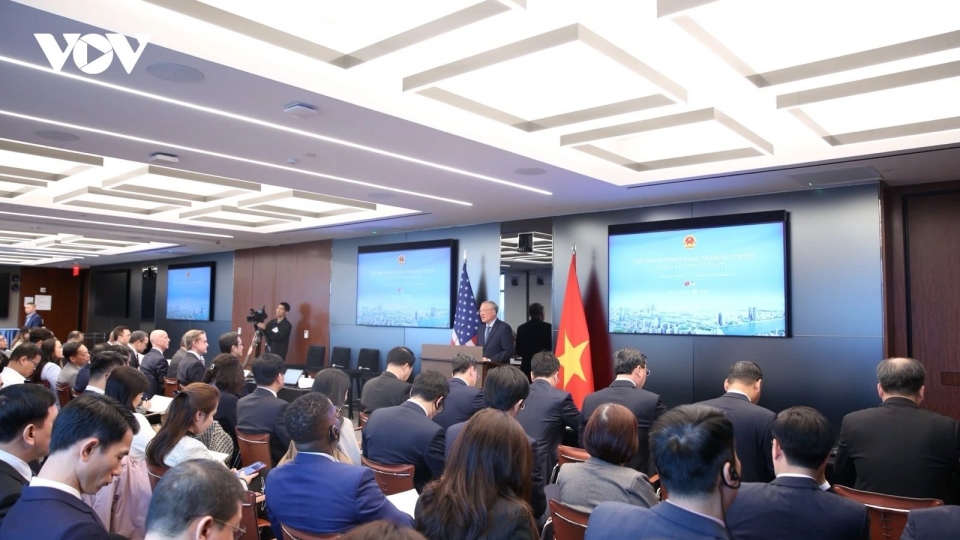
Vietnam pledges strong incentives for investors at International Financial Centre
VOV.VN - Vietnam has reaffirmed its commitment to providing the best possible conditions for foreign investors at the Vietnam International Financial Centre (VIFC), positioning the project as a strategic gateway for global capital.