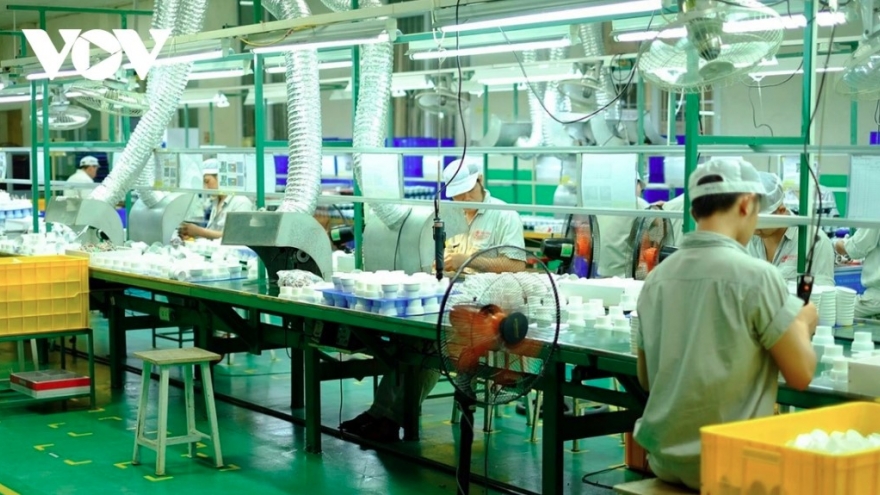
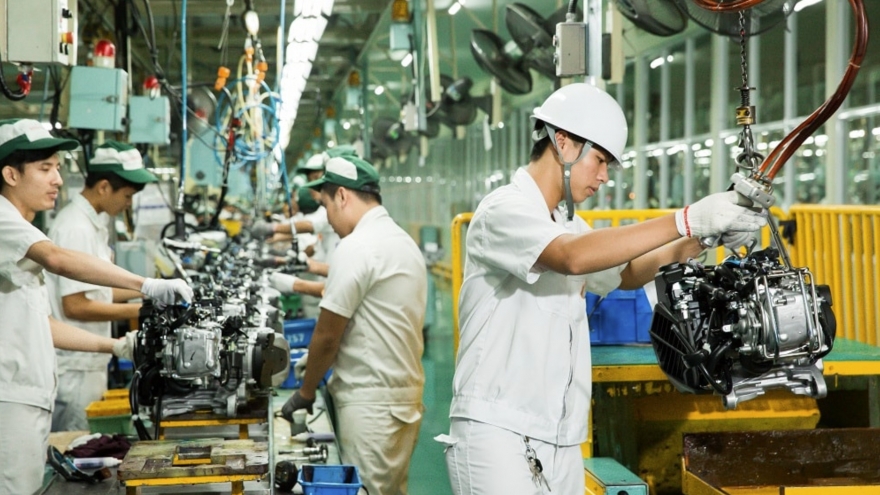
Hanoi targets US$4.5 billion FDI under 2026 int’l economic integration plan

VOV.VN - The Hanoi People’s Committee has released its 2026 international economic integration plan, aiming to attract US$4.5 billion in FDI, enhance global competitiveness, and reinforce the capital’s leading role in Vietnam’s socio-economic development.
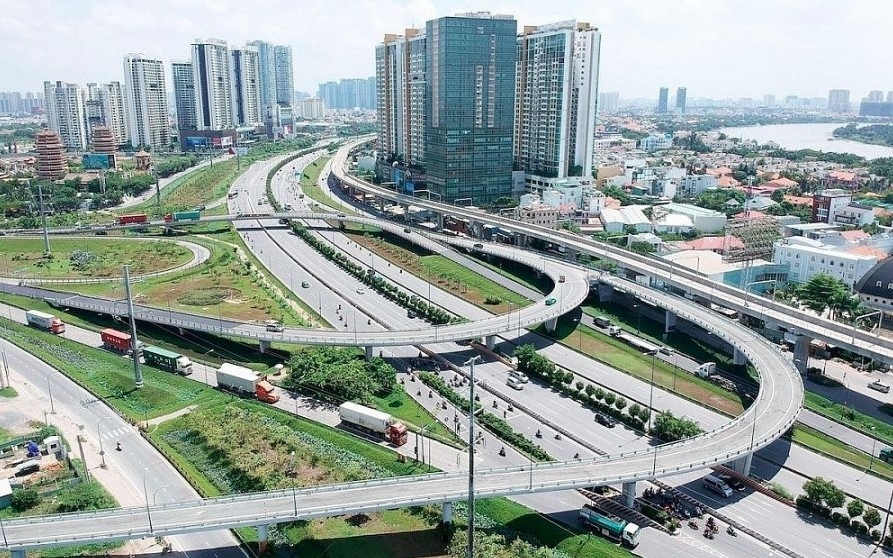
According to the plan, Hanoi will prioritize improving the investment and business environment, diversifying export markets, and reducing dependence on traditional trade partners. International economic integration will be closely aligned with political, cultural, social, scientific and technological cooperation, alongside national defence and security considerations.
In 2026, the capital plans to welcome 8.6 million international visitors and achieve a 12% year-on-year increase in merchandise export turnover. Export growth is expected to remain strong in markets covered by new-generation free trade agreements (FTAs), including the EU–Vietnam Free Trade Agreement (EVFTA), the Comprehensive and Progressive Agreement for Trans-Pacific Partnership (CPTPP), the UK–Vietnam Free Trade Agreement (UKVFTA), and the Regional Comprehensive Economic Partnership (RCEP).
A key focus is promoting sustainable and green development. Hanoi aims to raise the share of major export enterprises meeting green and sustainability certification standards to between 15% and 20%, while maintaining and improving its ranking in the national FTA Index. These efforts are intended to enhance the credibility, compliance capacity, and international integration readiness of the city’s business community.
To support these goals, the city will review and update its legal framework to ensure consistency with commitments under new-generation FTAs. Measures will also be taken to streamline administrative procedures, accelerate digital transformation, reduce compliance costs for businesses, and further improve the overall investment climate.
Special attention will be given to small and medium-sized enterprises (SMEs) through targeted support policies, the development of industrial clusters, and the promotion of sustainable value chains. At the same time, Hanoi will step up trade promotion activities and strengthen its image as a green, attractive destination for international investors and partners.
Human resource development is another priority area. The city targets a trained workforce rate of nearly 76%, with more than 55% of workers holding degrees or professional certificates, in order to meet the demands of deeper international integration and improve labour productivity.
Beyond short-term economic targets, the plan is designed to strengthen the capital city’s position within the global urban network and reinforce its role as a major hub for investment, trade, science and technology, and culture in Vietnam.
Through the implementation of this international economic integration strategy, Hanoi seeks to maintain its status as one of the country’s leading FDI destinations while creating a spillover effect that supports deeper integration and contributes to Vietnam’s overall economic growth in the coming years.
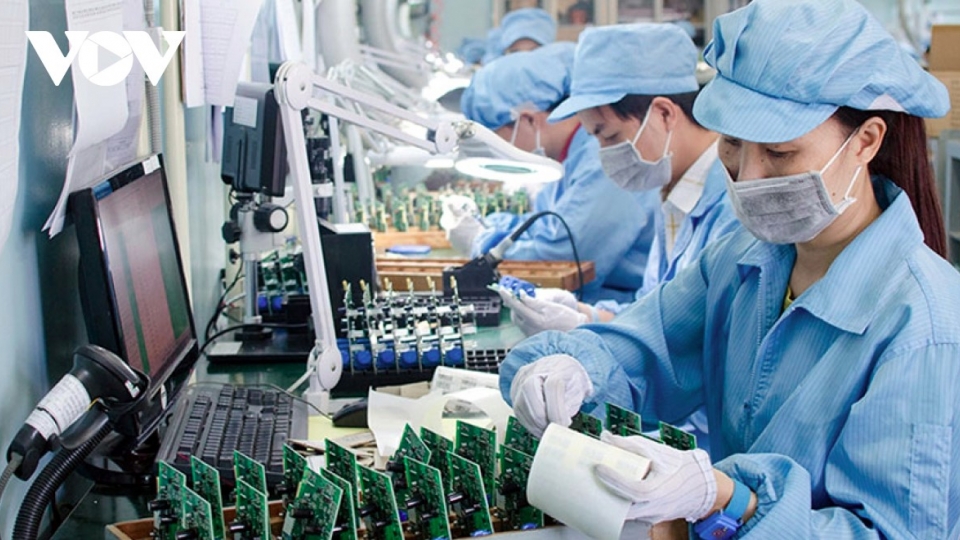
Hanoi attracts more than US$4.3 billion in FDI in 2025, sees year-end surge
VOV.VN - Hanoi recorded a strong inflow of foreign direct investment (FDI) in 2025, marked by large-scale capital adjustments and accelerated disbursement in the final months of the year, showing the appeal of its investment environment and ongoing administrative reforms.