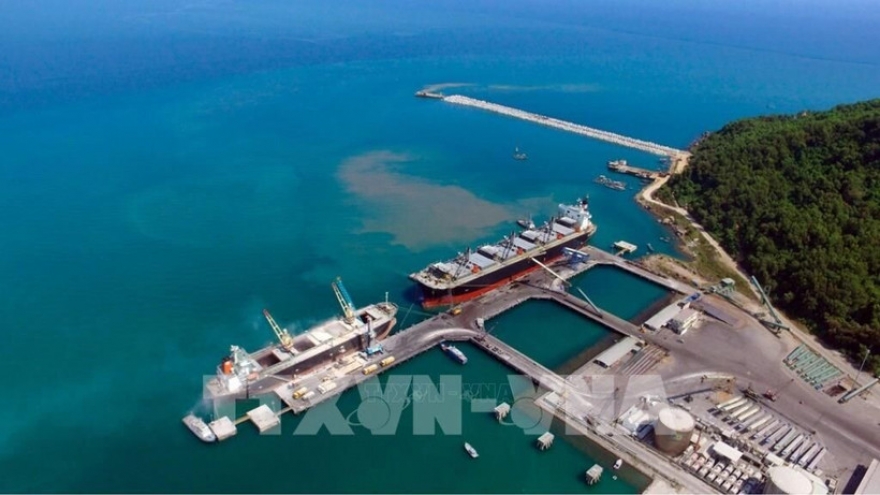
International media highlight Vietnam’s growing appeal for FDI

VOV.VN - International media have assessed the Vietnamese economy as maintaining strong growth momentum in 2025, with the country increasingly viewed as a bright spot in the region.
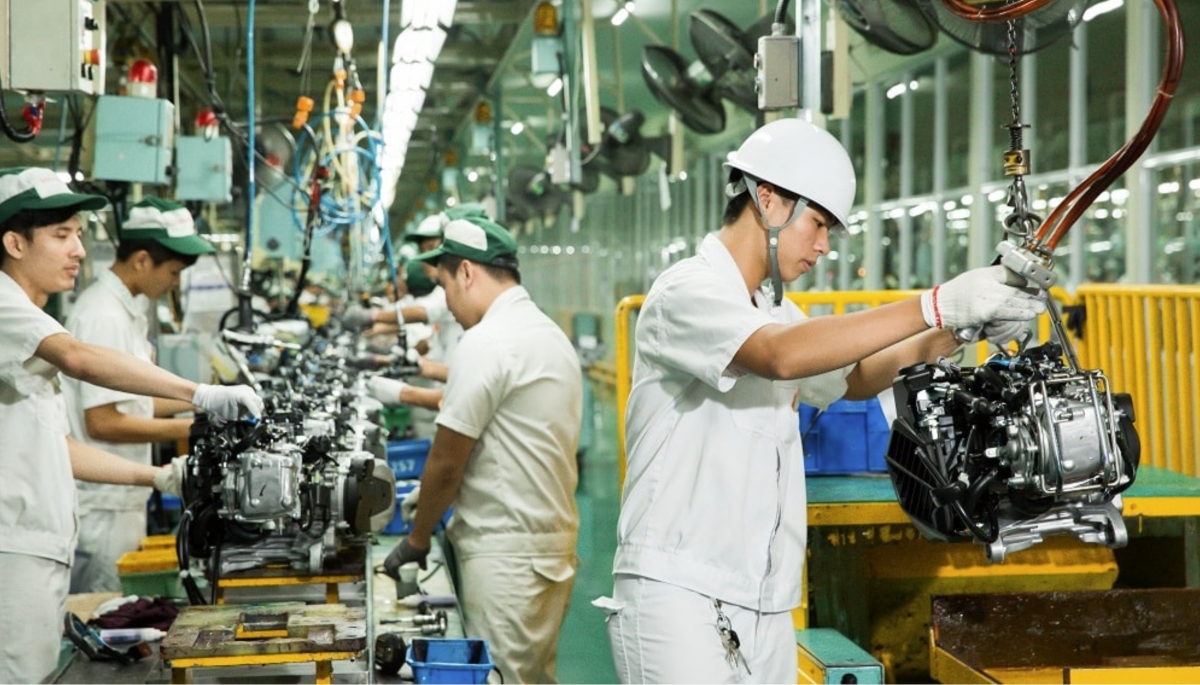
A rising economic profile
In January 2026, several international news outlets published upbeat assessments of Vietnam’s economic performance, focusing on growth results in 2025 and the foundations underpinning that momentum.
Reuters reported that Vietnam recorded economic growth of 8% in 2025, higher than the previous year, pointing to notable resilience and expansion. The nation continues to be identified as an important link in global supply chains, particularly for electronics, textiles and footwear.
The presence of multinational corporations such as Samsung, Apple and Nike, combined with manufacturing in Vietnam for export to major markets, demonstrates the country’s increasingly visible role in international production networks. Reuters also noted that growth in 2025 was supported by domestic consumption and public spending on infrastructure, indicating efforts to rebalance the growth model toward greater sustainability.
Bloomberg said Vietnam’s economy expanded faster than expected, supported by simultaneous improvements in manufacturing, investment and trade. Lending policies, state support, a weaker currency and a strong recovery in tourism were cited as factors underpinning Vietnam’s standing among the world’s fastest-growing economies.
Agence France-Presse continued to describe Vietnam as an Asian “success story,” noting that the economy sustained growth despite risks stemming from new US tariff measures.
According to AFP, domestic consumption, business investment and public spending have helped sustain momentum, reflecting a solid foundation and a policy orientation supportive of the private sector.
Regional assessments carried a similar tone. The Business Times said the 8% growth rate in 2025 marked Vietnam’s second-fastest pace in 15 years, while Free Malaysia Today viewed the result as a useful reference point for other Asian economies.
These analyses pointed to four interlinked drivers behind Vietnam’s performance: exports as a core pillar; global production shifts that have turned Vietnam into a new manufacturing hub; stronger domestic demand, particularly household consumption and investment; and policy adaptability in response to external shocks, supporting market and sector diversification.
The McGill International Review on January 17 placed Vietnam’s growth in a longer historical context. The article highlighted a mixed economic model combining state involvement with a flexible foreign policy approach, producing tangible outcomes, including a sharp decline in poverty since 1990, a near-50% increase in the Human Development Index and Vietnam’s entry into the group of countries with high human development. Growth rates of 7-10% were compared with those of the “Asian Tigers” during their industrialisation phases, reinforcing the view that Vietnam is becoming a strong regional contender.
China Daily on January 19 underscored the significance of growth exceeding 8% in 2025, describing it as a milestone that placed Vietnam among global bright spots amid uncertainty. Exports, foreign direct investment, infrastructure spending and consumption-support policies were identified as key foundations. The paper also noted that the full impact of tariffs on exports would become clearer in 2026, requiring flexible policy responses, including market diversification and stronger trade ties with partners such as China.
Strategic advantages and longer-term outlook
Another theme drawing attention from international media is the prospect of Vietnam surpassing Thailand in nominal GDP size. Nikkei Asia on January 5 said Vietnam could approach this threshold in 2026, supported by large-scale public works projects that are bolstering growth.
Forecasts suggest Vietnam’s nominal GDP could reach about US$500-600 billion in the 2026-2027 period, lifting per-capita GDP above US$5,000. Thailand Business News described this shift as a historic moment, showing Vietnam’s manufacturing expansion alongside Thailand’s structural challenges. Bangkok Post referred to Vietnam as a “rising star,” citing growing foreign investment inflows, including from Thai companies.
Analysts identified several core drivers behind Vietnam’s rapid growth: the Doi Moi (Renewal) process launched in 1986 that opened space for the private sector and global integration; policy stability that has fostered confidence; sustained emphasis on upgrading industry, infrastructure and human capital; and favourable demographics supported by a young and abundant workforce. Ambitions to develop high-tech and semiconductor manufacturing, combined with heavy investment in roads, seaports and airports, were seen as underpinning longer-term growth while also supporting a strong tourism recovery.
Fastbull said Vietnam entered 2026 with a dual advantage in global supply chains, serving both as a stable manufacturing base and as an alternative destination in diversification away from China.
FDI continues to flow into electronics, industrial components and green manufacturing, helping raise technological and management capacity. S&P Global reported Vietnam’s manufacturing PMI at 53.0 points at the end of 2025, signalling improved business conditions and stronger confidence. While cost and supply challenges remain, the 2026 outlook was assessed as positive, with industrial output projected to grow by 6.7%.
Tourism has also emerged as a notable highlight. South China Morning Post reported a sharp rise in Chinese visitors to Vietnam in 2025, pushing total international arrivals to around 21.2 million. Eased visa policies and promotion measures supported growth across multiple markets, lifting tourism revenue to more than VND1 quadrillion. The United Nations ranked Vietnam among the world’s fastest-growing destinations, alongside several major economies.
FDI Intelligence described Vietnam as a representative example of an effective FDI model in Asia, based on consistent governance, transparent regulations, efficient infrastructure and a competitive workforce.
Moves by Intel and Google, cited by MENAFN and The Nation Thailand, were seen as part of a broader trend of global technology groups expanding or relocating production to Vietnam.
D’Andrea Partners assessed the 2026 FDI outlook as cautiously optimistic, with sectors such as high technology, semiconductors, renewable energy, logistics and digital services offering clear growth potential.
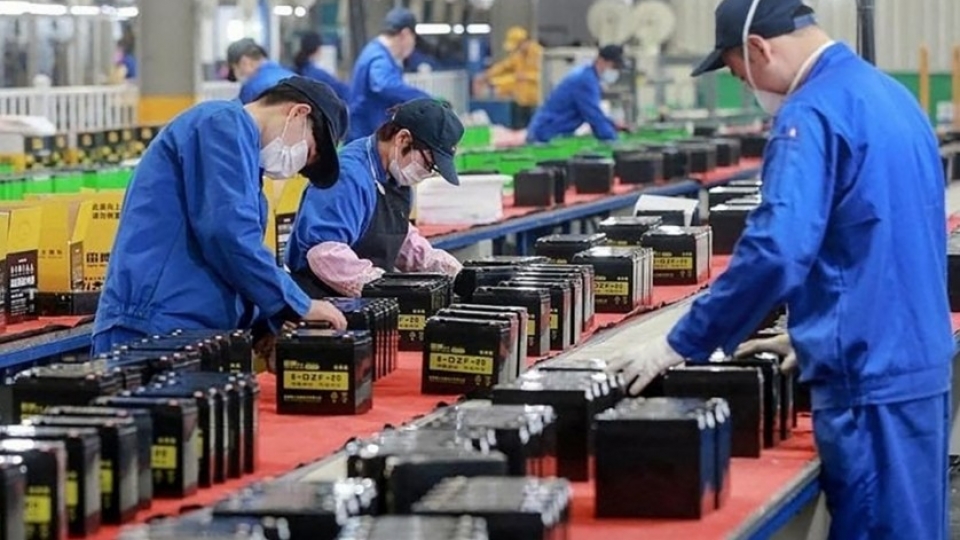
FDI wave opens opportunity as supporting industries seek escape from outsourcing trap
VOV.VN - With foreign direct investment (FDI) disbursement hitting a record US$27.62 billion, Vietnam has an opportunity to emerge as a new global manufacturing hub.
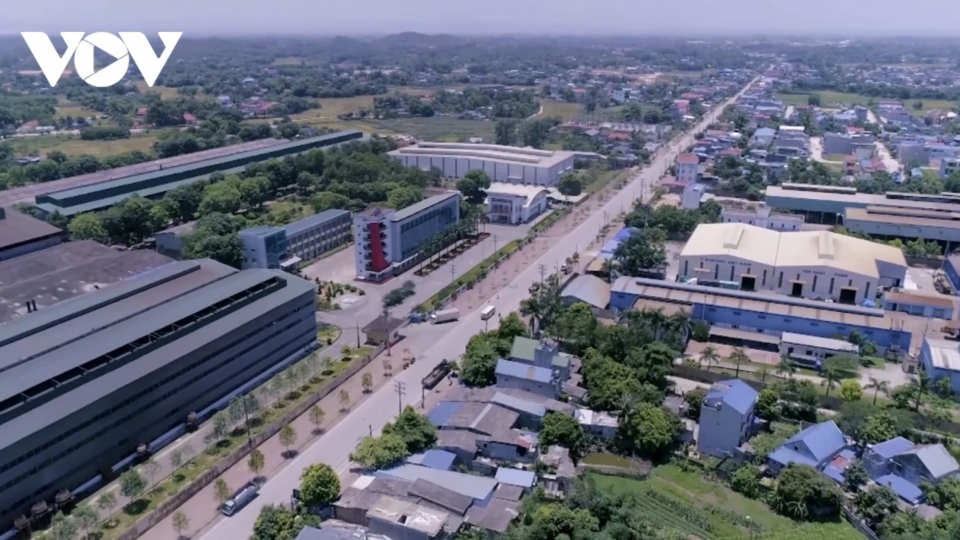
Strategy shift needed to attract next-generation FDI
VOV.VN - Next-generation foreign direct investment (FDI) is expected to generate higher value added for host economies while meeting stricter standards on advanced technology, knowledge transfer, green development, corporate governance and social responsibility. What does Vietnam need to prepare to capture this new wave?