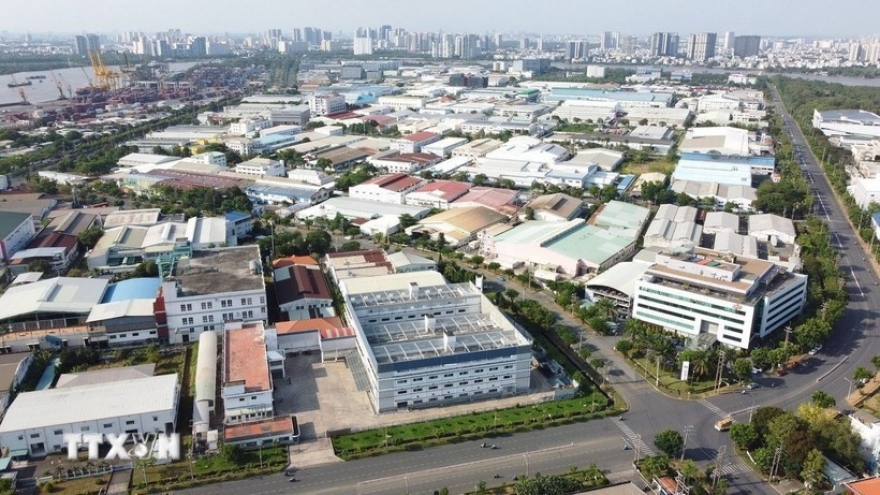
Hanoi attracts more than US$4.3 billion in FDI in 2025, sees year-end surge

VOV.VN - Hanoi recorded a strong inflow of foreign direct investment (FDI) in 2025, marked by large-scale capital adjustments and accelerated disbursement in the final months of the year, showing the appeal of its investment environment and ongoing administrative reforms.
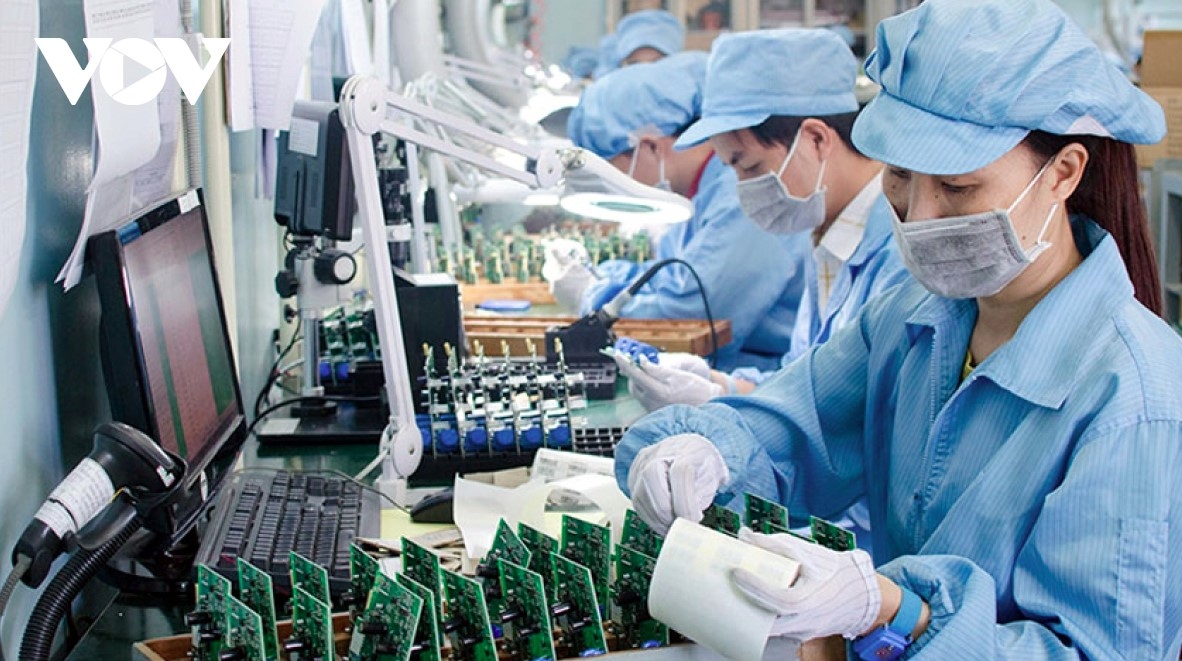
Total FDI inflows for the year hit US$4.365 billion, pointing to a recovery in foreign investment following a period of global uncertainty and underscoring investor confidence in the capital’s medium- and long-term prospects.
The FDI structure in 2025 indicated a clear shift toward capital expansions. Over the year, the city logged 148 projects with additional capital, totaling US$3.484 billion. Notably, the Yen So Park project by Gamuda Land Vietnam increased its investment by US$1.12 billion, emerging as a major contributor to Hanoi’s FDI inflows.
At the same time, the city licensed 443 new projects with registered capital of US$370 million, while 375 capital contribution and share purchase transactions amounted to US$511 million.
In December 2025 alone, Hanoi attracted US$76.9 million in FDI, a year-end push that helped consolidate the overall annual outcome through a mix of new projects, capital adjustments and equity transactions.
Beyond FDI, overall investment activity in the city also posted solid growth. In the fourth quarter of 2025, total investment reached VND214.5 trillion, rising sharply from the previous quarter and year earlier, with disbursed FDI accounting for about VND14 trillion. For the full year, total development investment stood at VND594.7 trillion, up 11.4% from 2024, with the non-state sector remaining the main driver.
Disbursement of state budget capital managed at the local level reached VND94.2 trillion, up nearly 30% year on year, though still below the city’s plan. Persistent bottlenecks such as land clearance, land pricing and resettlement arrangements continued to weigh on progress.
On the reform front, Hanoi continued to promote administrative improvements, focusing on digital transformation and the digitization of investment licensing procedures to shorten processing times and lower costs for investors. These efforts are seen as a key factor in enhancing the city’s competitiveness in attracting higher-quality capital.
Overall, 2025 shows that Hanoi expanded the scale of FDI inflows while taking steps to improve investment quality and absorption capacity, laying a foundation for the 2026–2030 period.
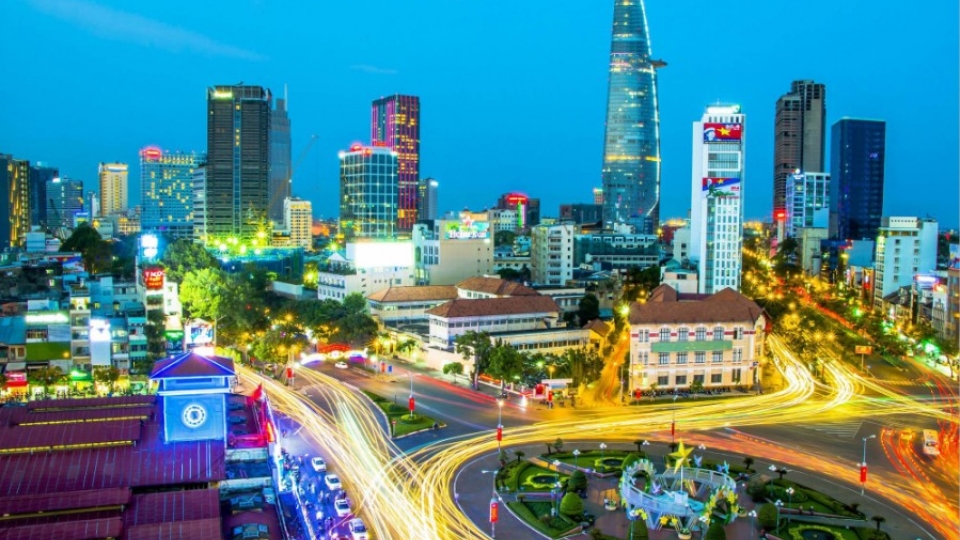
FDI inflows gain momentum in Vietnam’s southern key economic region
VOV.VN - Foreign direct investment (FDI) inflows into Vietnam’s southern key economic region are expected to continue gaining momentum as a host of strategic infrastructure projects near completion, opening up a new growth cycle for the region.