Garment exports set to bring back US$46 bln, maintain global top 3 position

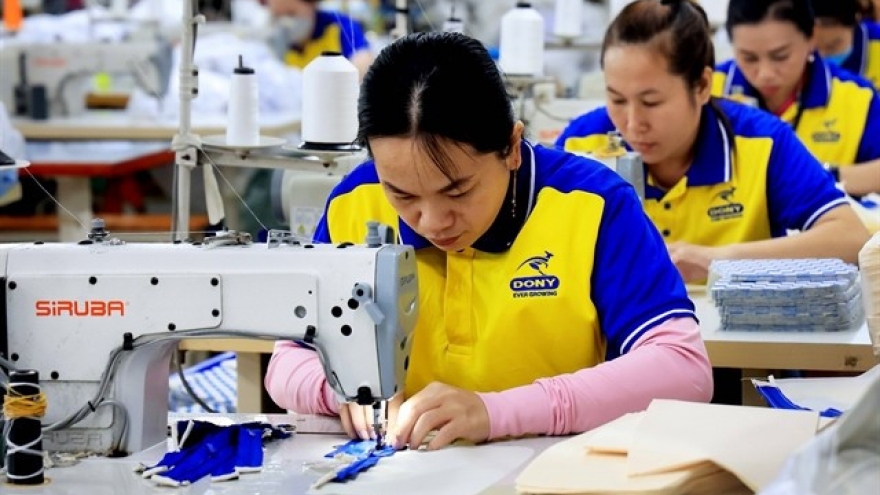
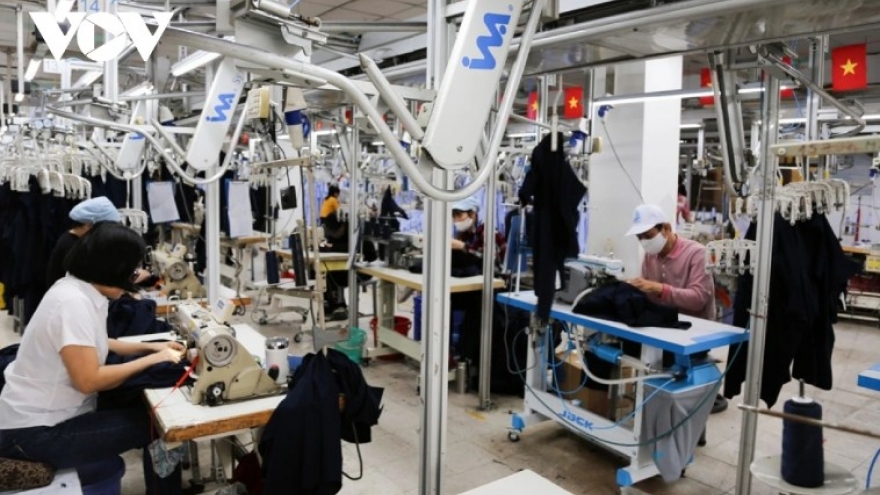
VOV.VN - Vietnam’s textile and garment exports are estimated to reach US$46 billion in 2025, up 5.6% year on year, helping the country maintain its position among the world’s top three textile and garment exporters, according to the Vietnam Textile and Apparel Association (VITAS).
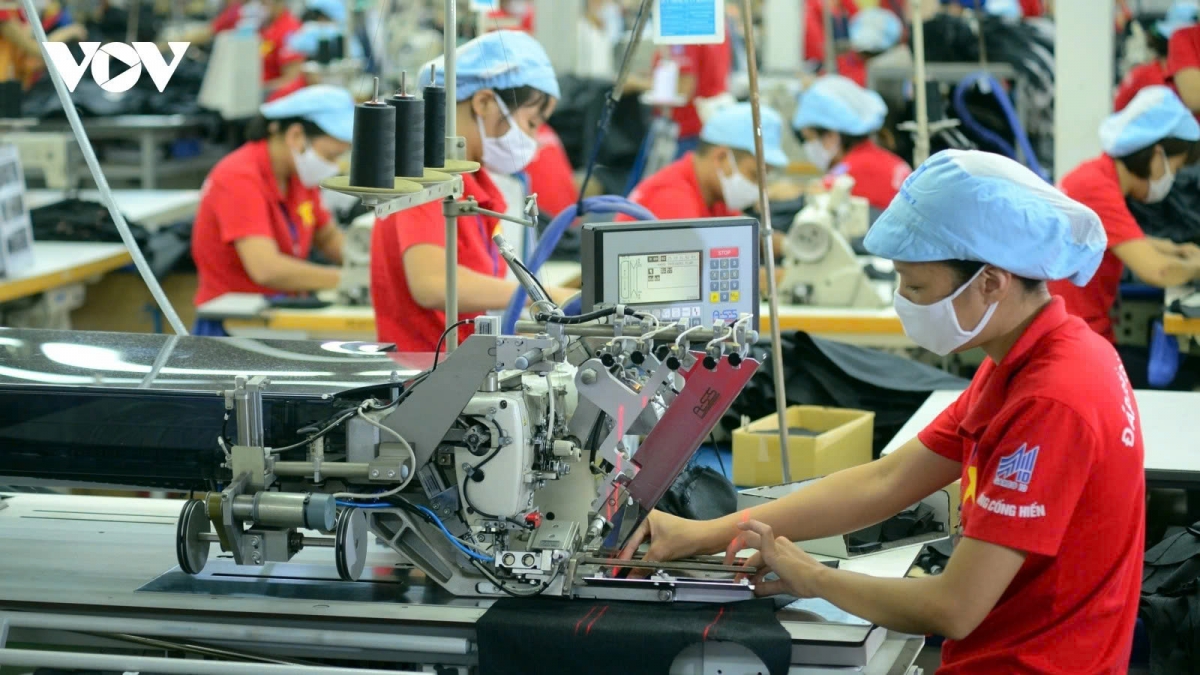
The products were exported to 138 markets worldwide. Key destinations were the United States, Europe, Japan, the Republic of Korea, ASEAN countries and China. Exports to the Commonwealth of Independent States (CIS), Africa and the Middle East also showed growing momentum.
The news was unveiled at the 7th National Congress of VITAS, held in Hanoi on December 16–17, which reviewed industry performance in 2025 and the 2020–2025 term, while outlining strategic priorities for the 2025–2030 period.
Speaking at the congress, VITAS Chairman Vu Duc Giang stressed that the industry’s strong recovery in 2025 reflected the adaptability of Vietnamese enterprises and the association’s effective role in connecting businesses and markets.
In addition to export growth, the industry recorded an estimated trade surplus of US$21 billion in 2025, reaffirming its role as a key pillar of Vietnam’s trade balance. Notably, the domestic value-added ratio rose to around 52%, marking significant progress in securing local sources of raw materials and accessories.
Despite the positive outlook, Giang pointed out that the industry continues to face multiple challenges, including geopolitical tensions, tariff pressures and changing purchasing strategies by major markets, which are reshaping global supply chains. These shifts, he said, are pushing Vietnamese textile and garment firms to adopt more flexible business models and gradually evolve into multinational enterprises, including expanding investment overseas.
The industry is also being strongly affected by rapid advances in automation, robotics and artificial intelligence, requiring makers to accelerate technological upgrades. At the same time, sustainability, green production and environmentally responsible fashion remain major challenges as global buyers increasingly tighten standards.
According to VITAS, US tariff policies on Vietnamese textile and garment products have so far remained largely unchanged, and many enterprises are currently negotiating orders not only for the first quarter but also for the second quarter of 2026.
Economist Can Van Luc warned that in 2026 the industry may face uncertainties stemming from new trade policies, particularly technical barriers and tariffs imposed by the US and EU. However, he said Vietnam’s macroeconomic stability provides a solid foundation for export growth. He also highlighted rising logistics costs and compliance expenses linked to green standards, urging businesses to strengthen financial risk management, avoid excessive leverage and focus on long-term financial health.
Digital transformation and technological innovation, he added, are critical for boosting productivity and moving up the value chain.
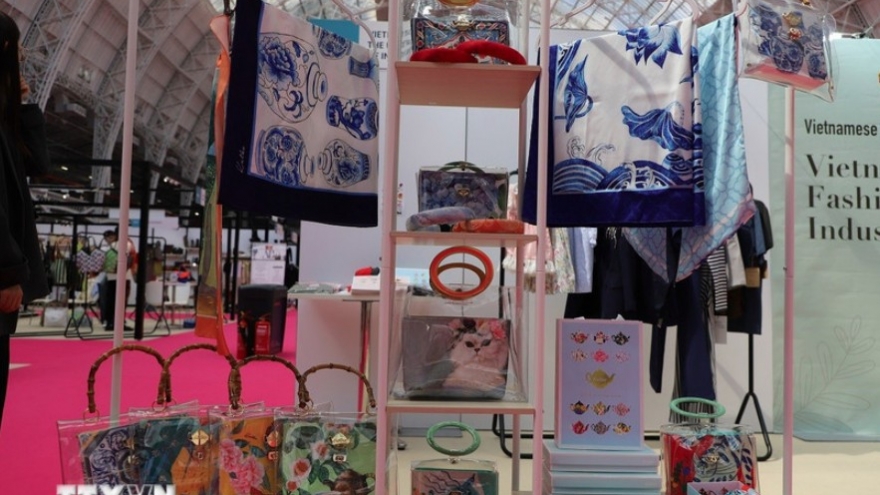
Entering its 2025–2030 term, VITAS has set a target of achieving US$64.5 billion in export earnings by 2030, with average annual growth of 6.5–7%. The association aims to expand the domestic market to US$8–9 billion, raise the localisation rate to over 60%, and develop strong Vietnamese fashion brands, with a strategic focus on greening and digitalisation.
At the congress, VITAS adopted its new-term resolution and elected a new executive committee, with Vu Duc Giang re-elected as chairman of the association.

Textile-garment industry accelerates digital transformation, green transition
The Industrial Development Centre (IDC), in collaboration with the Vietnam Textile and Apparel Association (VITAS) and the Korea Institute of Industrial Technology (KITECH), held an international workshop in Hanoi on November 19, focusing on AI and digital transformation in the textile and garment industry.