From “rolling out the red carpet” to strategic FDI partnerships

VOV.VN - It is time for the foreign-invested sector and domestic private enterprises to become strategic partners, creating new value and supporting more sustainable economic growth in Vietnam.
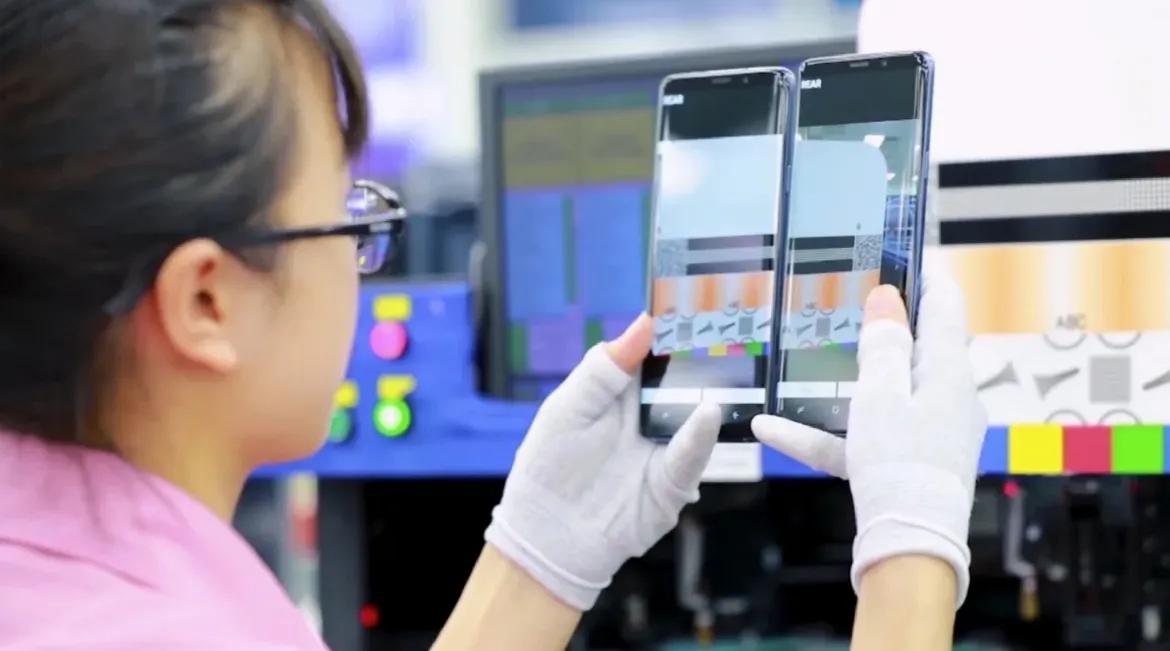
Vietnam currently has more than 46,500 valid foreign direct investment (FDI) projects with total registered capital exceeding US$543 billion, of which cumulative disbursed capital has reached around US$357.6 billion. The FDI sector contributes more than 20% of GDP, accounts for about 70% of export turnover and provides jobs for millions of workers.
According to Dr. Le Duy Binh, Director of Economica Vietnam, FDI continues to play an important role in the economy.
Over the past five years, the country’s total social investment amounted to roughly VND17 quadrillion (US$680 billion), with the State budget accounting for 27%, while the remainder came from domestic enterprises and the FDI sector.
Vietnam is targeting high and sustainable growth in the 2026-2030 period, which is expected to require approximately VND38.5 quadrillion in capital.
The private sector and FDI are expected to contribute about 80% of the country’s total capital demand. To maintain growth momentum, Vietnam will need around US$45-50 billion in annual FDI commitments and US$35-40 billion in annual disbursements.
However, the issue now is no longer simply how much FDI Vietnam can secure, but what kind of investment it brings in. Vietnam needs to prioritize a new generation of FDI projects focused on high technology, environmentally friendly production, modern governance and stronger linkages with domestic enterprises, thereby strengthening domestic value creation.
A long-standing challenge is the weak linkages between FDI enterprises and domestic firms, along with low localization rates. Although the nation has more than one million operating enterprises, only around 5,000 directly participate in global supply chains or supply chains of multinational corporations. Only about 300 firms serve as tier-1 or tier-2 suppliers, while the number of tier-1 suppliers directly selling to major corporations stands at roughly 100.
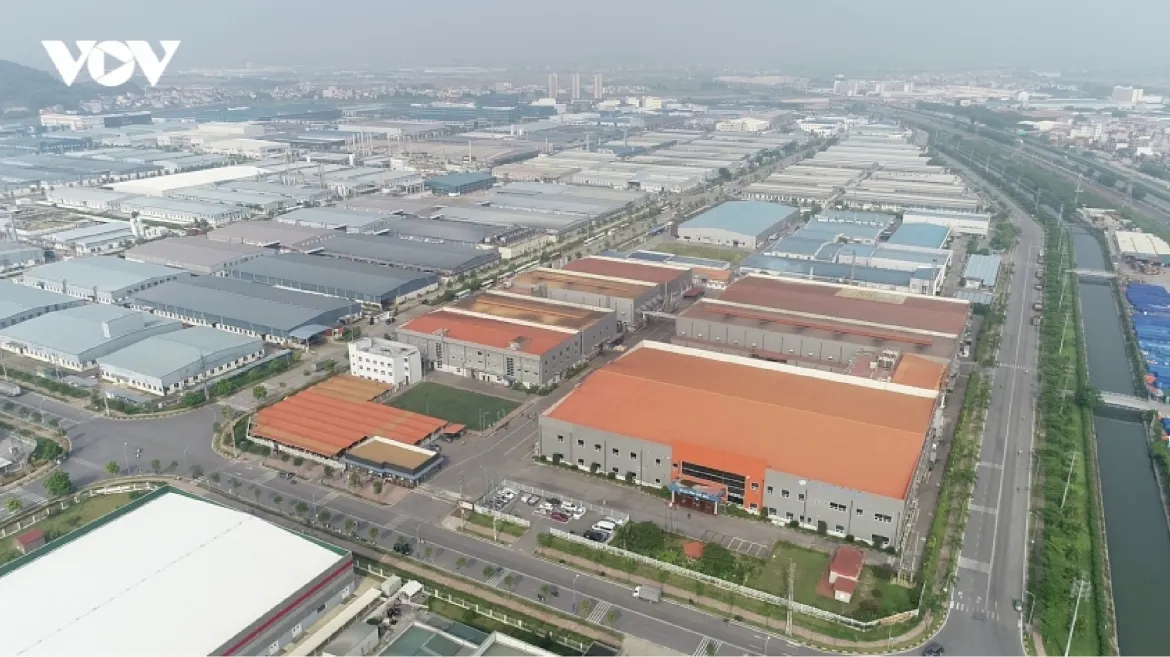
Experts say the limited internal capacity of Vietnamese enterprises remains a major bottleneck, with around 60-70% of firms still using outdated technologies. Many businesses also face difficulties investing in machinery and technology upgrades needed to meet the standards of multinational corporations and participate more deeply in global production chains.
As a result, experts say stronger State support is needed in terms of financing, science and technology, and technology upgrades so Vietnamese enterprises can improve competitiveness and strengthen ties with the FDI sector.
In the first four months of 2026, newly registered FDI in Vietnam surpassed US$18 billion, up 32% year-on-year. This gives Vietnam a strong advantage in meeting its growth targets in the coming years. However, the more important question is what technologies foreign investors bring into Vietnam, how much added value they create, how they contribute to workforce training, and how many Vietnamese enterprises they can integrate into supply chains.
According to Nguyen Duc Hien, Deputy Head of the Party Central Committee’s Commission for Policies and Strategies, Vietnam must change its mindset and approach toward FDI attraction.
The Government should continue improving institutions, reforming the investment environment and introducing sandbox mechanisms for emerging sectors such as AI, digital technology and green energy. At the same time, investment incentive policies should be redesigned to encourage stronger linkages, innovation and the development of a comprehensive support ecosystem, including specialized industrial parks, smart and eco-industrial parks, and high-tech zones, in order to attract high-quality investment and strengthen global competitiveness.
Experts believe Vietnam is now at a strategic crossroads. If the country continues attracting FDI based mainly on low-cost advantages, domestic enterprises will continue to play largely assembly and processing roles within global value chains.
It therefore needs to shift from a “red carpet” mindset aimed at attracting investment at all costs to a more selective strategy that prioritizes technology, innovation, added value, environmental protection and stronger linkages with domestic enterprises.
After nearly 40 years of opening up to foreign investment, Vietnam now needs more than additional capital inflows and a new phase of FDI attraction built around knowledge, science, technology and innovation. These factors will play a decisive role in shaping the quality of growth and the country’s position in the global economy.

Vietnam shifts toward high-quality FDI as investors call for stronger reforms
VOV.VN - As global competition for foreign direct investment (FDI) intensifies, Vietnam is reshaping its investment attraction strategy by shifting from a focus on “investment quantity” to “investment quality,” prioritising high technology, innovation, sustainability, and value-added industries.
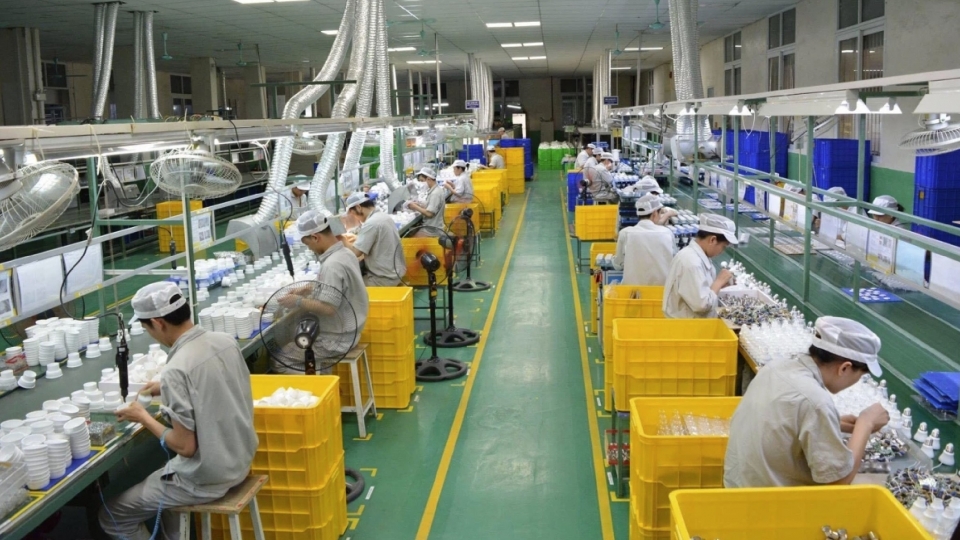
FDI disbursement reaches five-year high in four months
VOV.VN - Foreign direct investment (FDI) continued to perform strongly in Vietnam during January-April 2026, with realized FDI estimated at US$7.4 billion, up 9.8% from the same period last year.