From incentives to stability: What keeps investors in Vietnam

VOV.VN - As global supply chains undergo rapid restructuring, Vietnam continues to attract strong foreign investment not merely through incentives, but increasingly through a stable policy environment, streamlined procedures, and growing investor confidence in long-term prospects.
Vietnam’s foreign direct investment (FDI) reached US$27.62 billion in 2025, the highest level in five years, and has continued to grow in the early months of 2026. The upward trend highlights the country’s sustained appeal amid ongoing global supply chain restructuring.
The momentum underscores Vietnam’s strategic direction in reforming its investment climate to attract a new generation of FDI that prioritizes technology, sustainability, and long-term value creation.
Ready land and fast-track procedures attract global tech giants
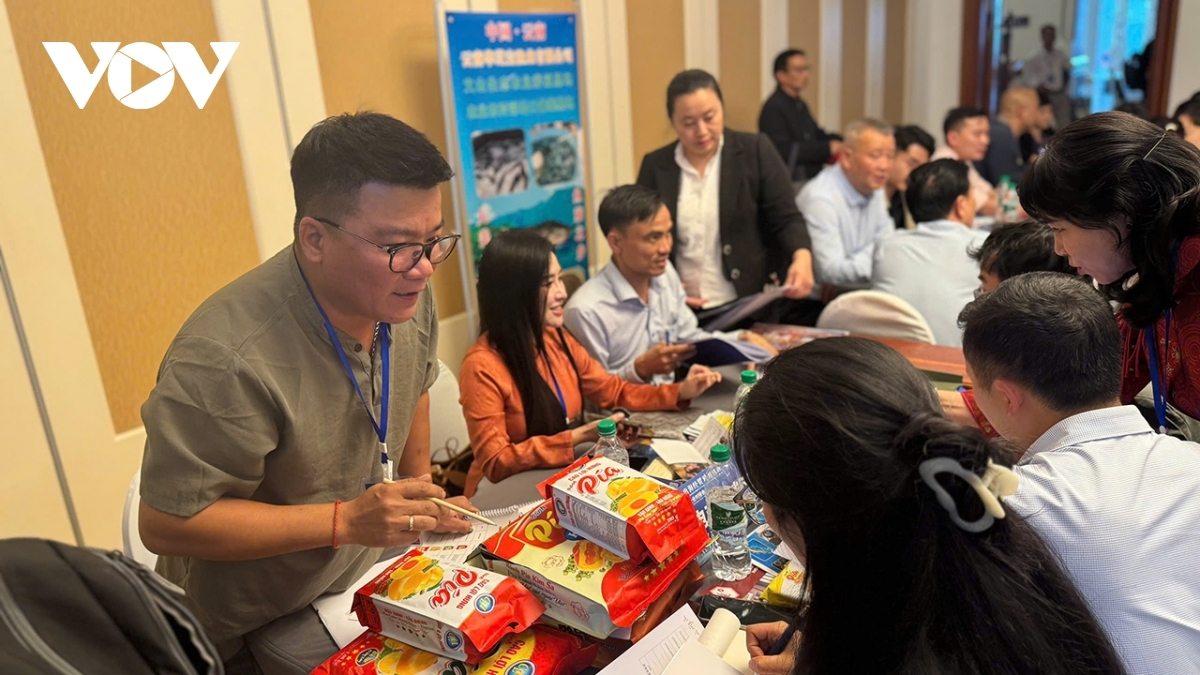
At the recent Vietnam FDI Connect 2026, co-organised by the Vietnam Chamber of Commerce and Industry (VCCI) and Bac Ninh authorities, experts outlined a clearer picture of investment flows in a rapidly shifting global landscape.
According to Ho Sy Hung, chairman of VCCI, multinational corporations are no longer driven solely by low costs. Instead, they increasingly favour destinations offering transparency, adaptability, and sustainable ecosystems. With its strategic location and stable political environment, Vietnam is emerging as a key destination for global capital.
Within this broader context, Bac Ninh continues to affirm its role as a major FDI hub in northern Vietnam. Pham Hoang Son, chairman of the provincial administration, noted that the province has attracted over 3,500 FDI projects with total registered capital exceeding US$49 billion. In 2025 alone, Bac Ninh secured US$5.73 billion, ranking second nationwide, followed by US$1.2 billion in Q1 2026.
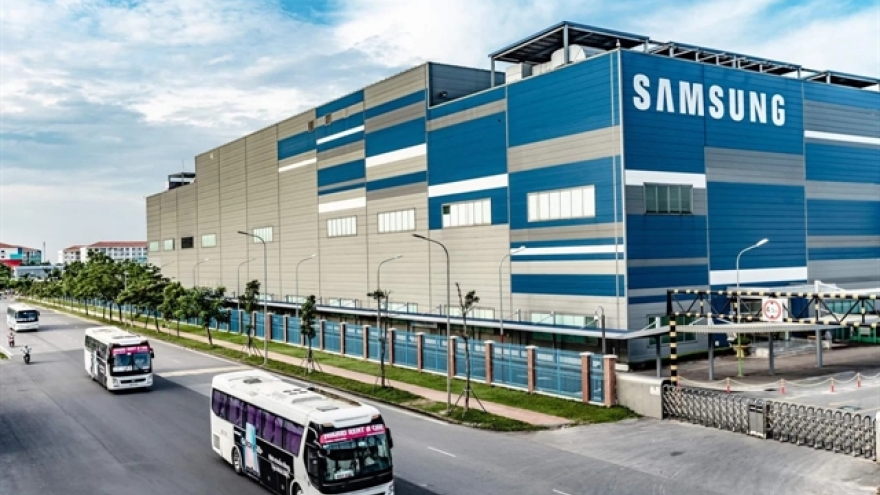
Notably, the region has seen continued expansion from major technology investors such as Samsung, Foxconn, Amkor, and Luxshare.
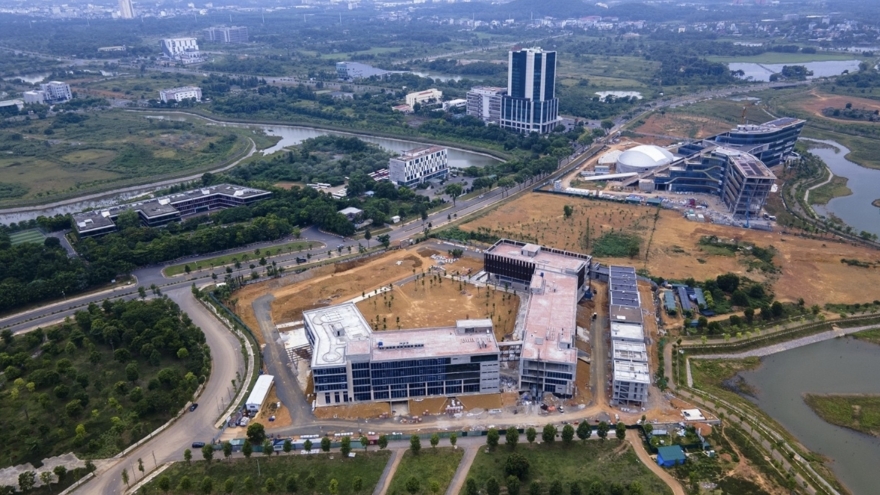
To capture the next wave of FDI, many localities have developed ready-to-use industrial land with synchronised infrastructure. Administrative “green lanes” have also been introduced, cutting project approval timelines from months to just weeks, or even days, boosting efficiency and investor confidence.
A new priority for next-generation FDI
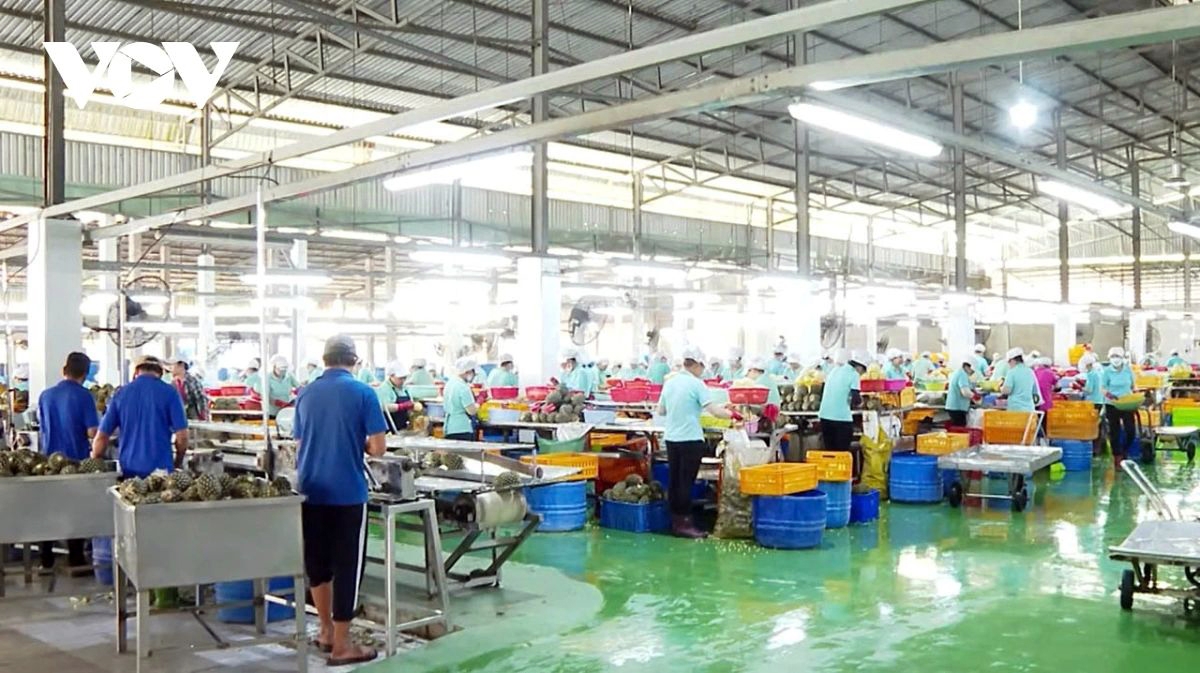
From the perspective of international investors, Kim In-woo, vice chairman of the Korea Chamber of Business in Vietnam, highlighted that the Republic of Korea’s total investment in Vietnam has exceeded US$95 billion, across more than 10,400 projects, reinforcing Vietnam’s strategic role in global supply chains.
However, he stressed that incentives alone are no longer decisive, saying investors are increasingly focused on a transparent, consistent, and predictable legal framework in the long term. This shift reflects a broader trend shaping next-generation FDI flows.
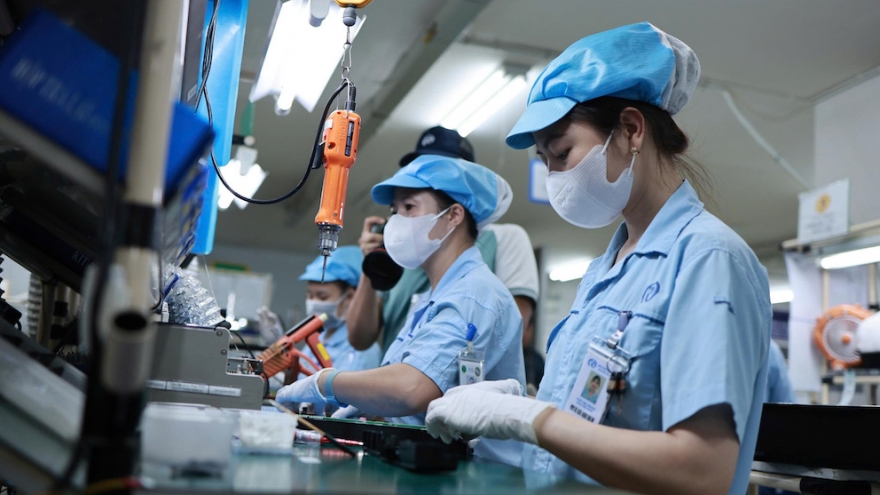
Echoing this view, Sun Fenglei, chairman of the China Business Association in Vietnam, shared that over 10,000 Chinese enterprises are currently operating in Vietnam, with a growing shift toward high-tech sectors such as artificial intelligence, renewable energy, and electronics.
According to Vuong Thi Minh Hieu, deputy director general of the Foreign Investment Agency under the Ministry of Finance, the recent surge in FDI reflects rising investor confidence. Institutional reforms are being accelerated, with new mechanisms allowing investment procedures to be completed in just a few days.
Enhancing domestic linkages to move up value chain
At the strategic level, Nguyen Duc Hien, deputy head of the Central Economic Policy and Strategy Commission, emphasised that the FDI sector, alongside the state and private sectors, forms one of the three key pillars of Vietnam’s economy. A dedicated resolution on FDI development in the new phase is currently under consideration.
Vietnam’s investment strategy is also undergoing a notable shift, from attracting capital at all costs to prioritizing quality, efficiency, and technological spillovers.
This transition highlights an urgent need to strengthen linkages between foreign-invested enterprises and domestic firms. Currently, localisation rates remain modest, and relatively few Vietnamese companies participate as tier-one suppliers in global supply chains.
Experts suggested that to enhance its position, Vietnam must move beyond low-value assembly toward higher value-added activities such as research and development, design, and innovation.
Vietnam in the race to attract high-tech FDI
VOV.VN - Vietnam is emerging as a key contender in the race for high-tech FDI as global capital shifts toward technology-driven sectors, but it faces mounting pressure to move beyond low-cost advantages and strengthen its capacity for innovation and value creation.