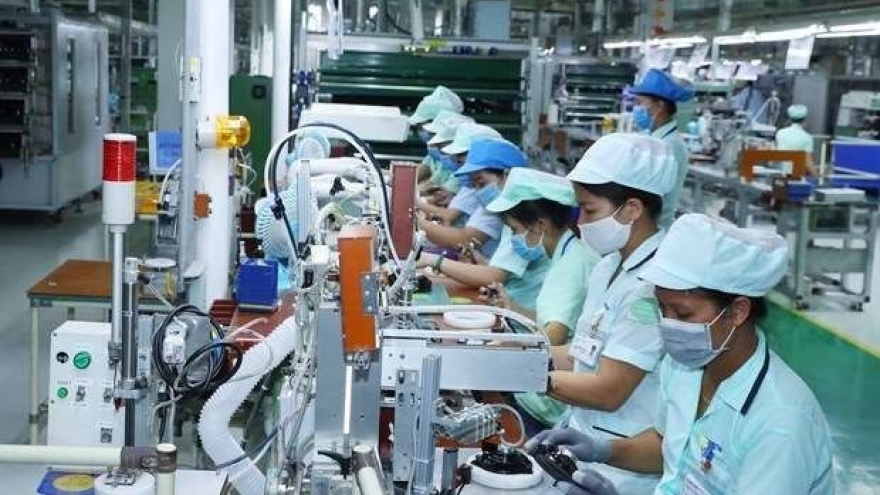
Efforts intensified to improve FDI quality under Resolution 59

VOV.VN - Vietnam continues to face the dual task of maintaining foreign investment inflows while improving the quality of FDI amid growing regional competition.
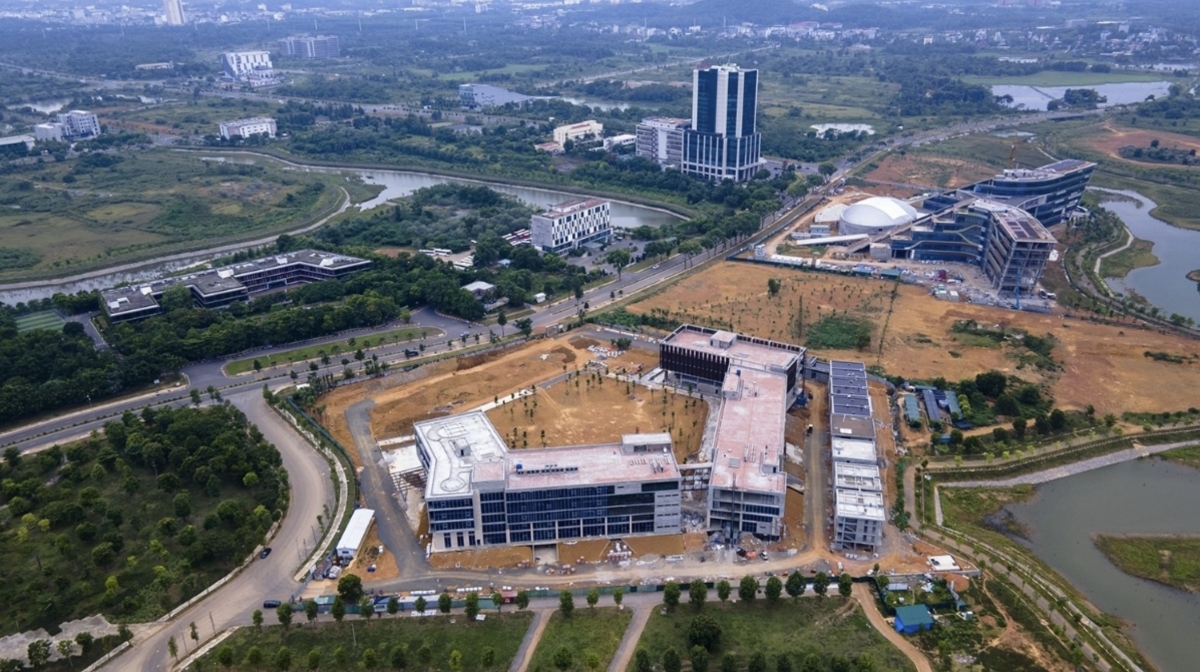
In the first months of the year, disbursed FDI reached its highest level in five years, indicating that the country remains a destination chosen by many investors.
The key question is how to sustain the appeal of medium- and long-term foreign investment flows in line with Politburo Resolution 59, a policy directive on improving investment quality, contributing to the goal of building a strong and prosperous Vietnam by the middle of the 21st century.
According to the General Statistics Office of Vietnam, total newly registered FDI in the first two months of 2026 reached US$3.54 billion, up 61.5% year-on-year.
Meanwhile, disbursed FDI was estimated at US$3.21 billion, up 8.8%, indicating that inflows are rising not only in registered scale but are also being disbursed relatively steadily, continuing to contribute to production and business operations and domestic economic growth.
Investment inflows have become more active, with a number of large-scale industrial parks being launched and expanded, creating additional capacity for industrial production. As Hanoi targets strategic capital in high technology, creative industries and green, smart urban development, improving FDI indicators has been identified as a decisive step in preparing for a new phase of accelerated growth.
In line with the spirit of Politburo Resolution 59, together with the 2024 Capital Law, a more advanced legal framework has been established, clearly defining priority sectors and criteria for strategic investors, from financial capacity to commitments on technology transfer and workforce training.
Hoa Lac, a key component of the innovation ecosystem, currently has hundreds of hectares of cleared land and offers a range of incentives to attract investors.
Tran Anh Tuan, Deputy Head of the Management Board of Hi-tech Parks and Industrial Zones of Hanoi, said: “For Hoa Lac Hi-tech Park alone, the total area is currently 1,586 hectares, and we have prepared about 700 hectares of cleared land to attract investors. We have many policies and incentives to support investors, with specific measures tailored to each sector.”
Despite Vietnam continuing to be regarded as an attractive destination for international capital, intensifying regional competition is placing new demands on retaining and attracting high-quality FDI.
It is not only about increasing the number of projects, but about securing projects with higher added value, stronger technology spillover and long-term contributions to growth, particularly in high-tech sectors.
Experts say FDI flows in 2026 are projected to increasingly concentrate on high-quality projects with strong technological content, high added value and wider spillover effects on the economy.
Vietnam is no longer focused solely on attracting large-scale capital, but is gradually shifting towards a strategy centred on high-quality FDI, with innovation, advanced technology and green transition as core elements, while strengthening value chain linkages, raising localisation rates and promoting sustainable development.
Nguyen Van Toan, Vice Chairman of the Foreign Investment Enterprises Association, said: “If foreign investment is of high quality, it will strongly support Vietnam’s economic development in the coming period, especially in science, technology and digital transformation, such as semiconductors.”
When considering investment in Vietnam, international investors are increasingly setting higher requirements, rather than focusing only on traditional factors such as land lease costs or tax incentives. Questions now increasingly focus on long-term sustainability, including whether energy sources are environmentally friendly, whether domestic supply chains are deep enough to support production, whether administrative procedures are stable and predictable, and whether the technical workforce can meet business needs.
Nguyen Trung Kien, General Director of CNCTECH Group, said: “For sustainable development, we cannot focus only on attracting high-tech projects. We should attract investment across industrial chains. For example, in the semiconductor industry, policies should aim to attract the entire value chain, not just a single segment. In addition, there need to be specific policies targeting technology investors, along with measures to develop the supporting conditions they need to grow in Vietnam.”
The resolution of the first Congress of the Da Nang municipal Party Organisation sets a clear goal of building the city into a major socio-economic centre in the central and Central Highlands regions, in which attracting high-quality FDI is identified as a key driver.
The city is focusing on developing key pillars, including high technology and innovation, with Da Nang Hi-tech Park and the start-up ecosystem at its core; a free trade zone linked to the development of an international financial centre; high-quality tourism and the marine economy, connected through coastal urban and tourism chains; and logistics and smart infrastructure, using the advantages of seaports, airports, road and rail networks.
Pham Duc An, Chairman of the Da Nang municipal People’s Committee, said: “The new Da Nang, with its position, potential and dynamism, is demonstrating that the central government’s development policy is well founded. The city is identified as a development hub of the central region, focusing on high technology, start-ups, innovation, an international financial centre and a free trade zone.
“In addition to continuing to develop tourism and services, the city is focusing on attracting investment, especially foreign investment, in high-tech sectors. Development demands in the coming period are high. In terms of investment, Da Nang will also provide timely information and support to businesses.”
Vietnam’s FDI outlook in 2026 shows a range of positive factors, from a stable macroeconomic foundation and effective investment mechanisms to the strong potential of key industries. If growth momentum is maintained and the investment environment continues to improve, FDI will remain a key driver of economic growth, structural transformation and improved competitiveness in the next period of development.
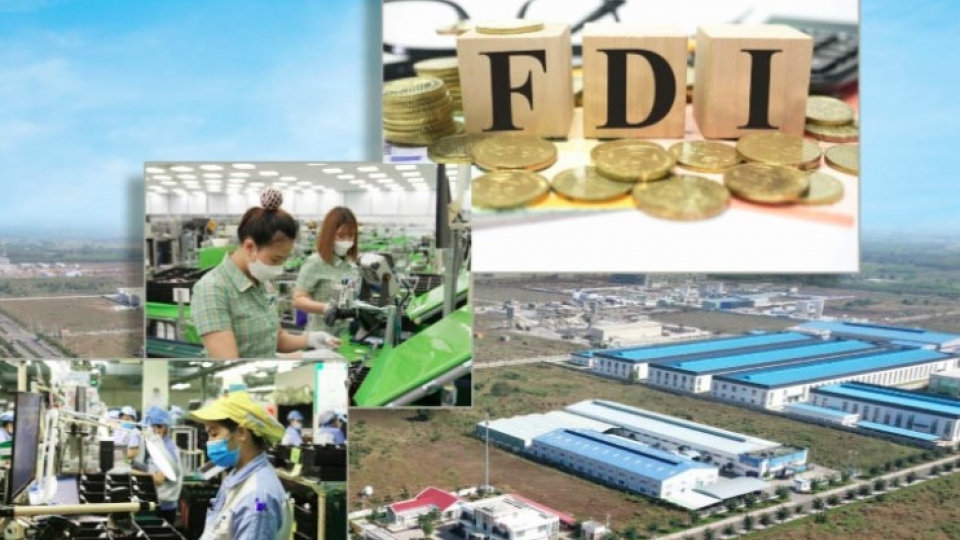
Stronger local-foreign business linkages seen key to boosting FDI quality in Vietnam
VOV.VN - Foreign direct investment (FDI) remains a bright spot in Vietnam’s economy, but the key challenge now is to strengthen linkages between domestic enterprises and FDI firms to build an independent, self-reliant and sustainable economy.