Vietnam in the race to attract high-tech FDI

VOV.VN - Vietnam is emerging as a key contender in the race for high-tech FDI as global capital shifts toward technology-driven sectors, but it faces mounting pressure to move beyond low-cost advantages and strengthen its capacity for innovation and value creation.
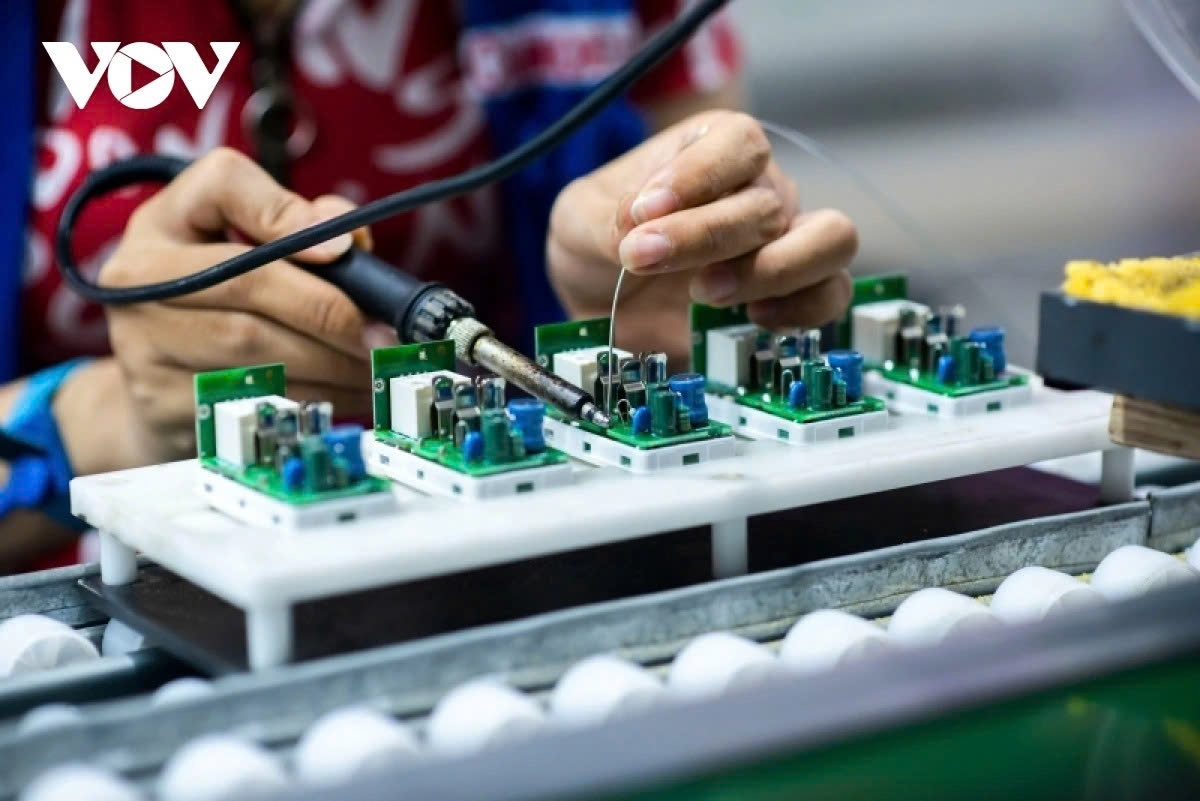
For many years, Vietnam has been regarded as an attractive destination for foreign direct investment (FDI), thanks to its competitive labour costs, political stability, and strategic position within Asia’s supply chains. However, the global landscape is changing rapidly. FDI is no longer merely about relocating manufacturing, but is increasingly shifting toward high-tech sectors such as semiconductors, artificial intelligence (AI), data centres, and green energy.
In this context, Vietnam is entering a “new race”, not just to attract capital, but to compete as a destination for technology, innovation, and higher-value segments of the global supply chain.
Global FDI restructuring with high technology at the core
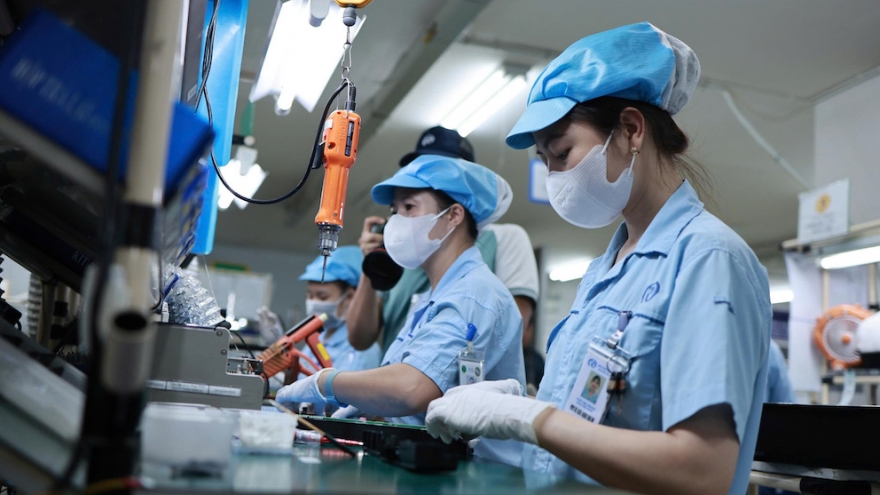
In the 2024–2026 period, global FDI flows are increasingly driven by “nearshoring” and “friendshoring” strategies, aimed at reducing geopolitical risks and optimising technology supply chains. Multinational corporations are prioritising the establishment of manufacturing and R&D facilities in countries with strong technological capabilities, digital infrastructure, and a skilled workforce.
Notably, competition to attract high-tech FDI is intensifying within ASEAN, with countries such as Indonesia, Thailand, and Malaysia ramping up incentives and developing semiconductor ecosystems. This means Vietnam no longer enjoys the same advantages it had during the earlier wave of low-cost FDI.
Vietnam - A bright spot at a turning point
Vietnam’s FDI performance is positive. In 2025, disbursed FDI reached approximately US$27.6 billion, up 9% year on year, while total registered capital stood at around US$38.4 billion, up 0.5%, with manufacturing continuing to dominate.
However, the key issue lies not in the scale, but in the changing structure of capital flows. Vietnam is witnessing a rise in high-tech projects in electronics, R&D, AI, and clean energy.
Experts note that this transition still faces structural limitations. According to Dr Can Van Luc, an economic expert and a member of the Prime Minister’s Economic Advisory Council, Vietnam’s manufacturing sector is largely in the lower-value segments of the global supply chain, with limited localisation rates and weak linkages between FDI enterprises and domestic firms. This suggests that attracting high-tech FDI does not automatically translate into upgrading domestic industrial capacity.
Meanwhile, senior economist Nguyen Dinh Cung emphasised that the biggest challenge is not attracting FDI, but converting it into endogenous capabilities. Without this transformation, Vietnam risks remaining dependent on the FDI sector and struggling to move up the value chain.
Opportunities and challenges
Vietnam holds several advantages in the race for high-tech FDI. First, next-generation free trade agreements such as the European Union–Vietnam Free Trade Agreement (EVFTA), Comprehensive and Progressive Agreement for Trans-Pacific Partnership (CPTPP), and the Regional Comprehensive Economic Partnership (RCEP) enhance Vietnam’s role as an attractive trade hub.
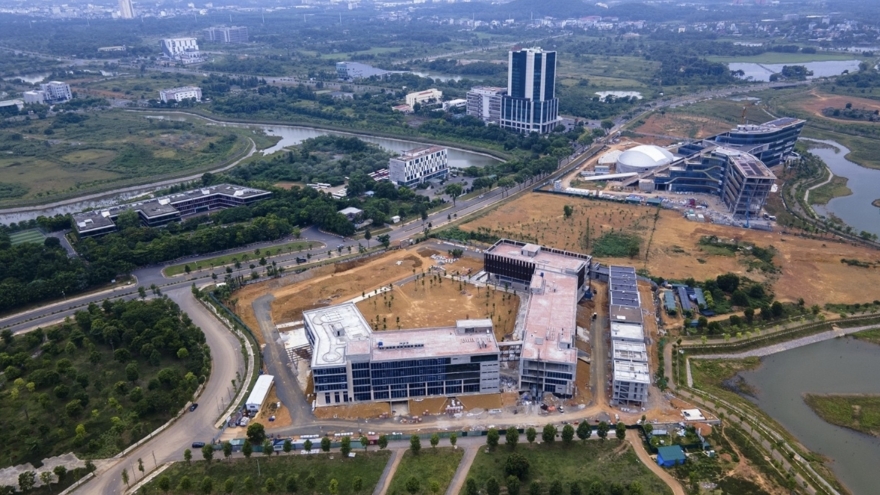
Second, its proximity to major industrial production centres in Asia allows Vietnam to benefit from supply chain shifts. Third, a young workforce and political stability continue to underpin investor confidence. More importantly, Vietnam is beginning to form new “technology hubs,” laying the groundwork for a future high-tech ecosystem.
At the same time, the new context presents structural challenges. Competition in the region is intensifying, while the implementation of the global minimum tax reduces the effectiveness of tax incentives.
From a policy perspective, Deputy Prime Minister Nguyen Chi Dung stressed that the FDI sector should play a leading role in technological innovation, green transformation, and sustainable development, rather than merely expanding production. This reflects a shift in policy thinking, from attracting capital to prioritising quality and long-term impact.
Additionally, constraints in high-quality human resources, R&D capacity, and supporting industrial infrastructure are significant bottlenecks.
From attracting capital to attracting technology
In this new context, the question is no longer “how much FDI to attract,” but “what kind of FDI to attract.” Vietnam faces the need to transition from quantity to quality, and from labour-intensive to technology-intensive investment.
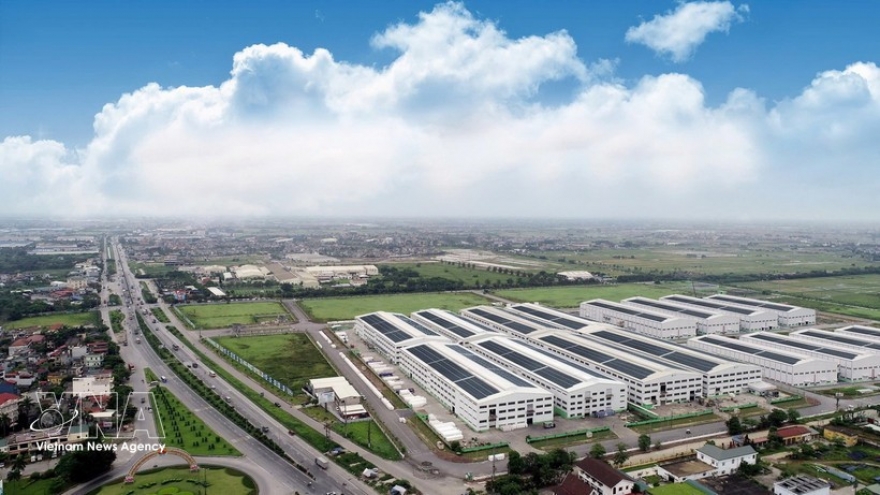
This requires a comprehensive strategy, including developing a highly skilled workforce; upgrading digital infrastructure and logistics; strengthening linkages between FDI and domestic enterprises; and establishing R&D and innovation centres.
The race to attract high-tech FDI is not just about capital, but about positioning within the new global value chain. Vietnam has made important progress, but achieving a breakthrough will require a long-term strategy that goes beyond the traditional FDI model.
If Vietnam can seize the opportunity from global supply chain shifts while significantly improving institutional quality and human resources, it has the potential to become a regional hub for high-tech manufacturing and innovation in the coming decade.
FDI inflows forecast to reach US$38 billion annually in next five years
FDI capital in Vietnam is expected to continue growing positively, potentially reaching US$38-40 billion annually during the next five years, honorary chairman of the Vietnam Association of Foreign Investment Enterprises Associate Professor Dr Nguyen Mai said.