Fisheries sector secures strong growth amid challenges in 2025

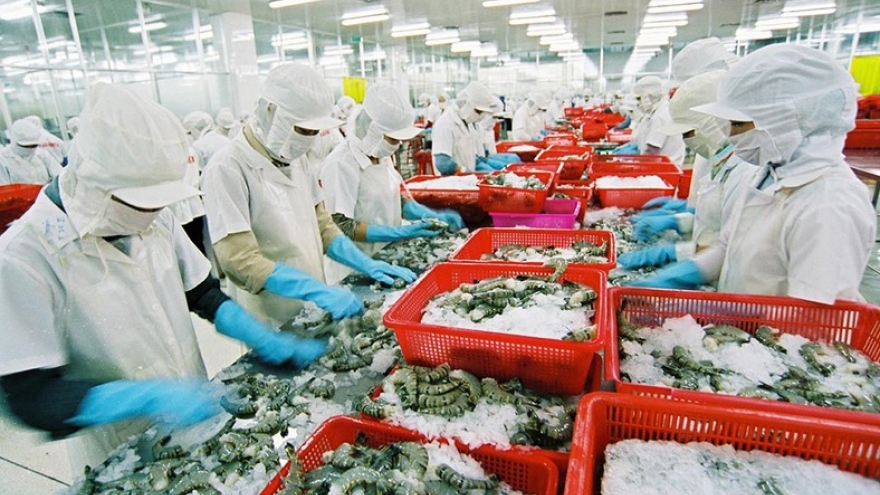
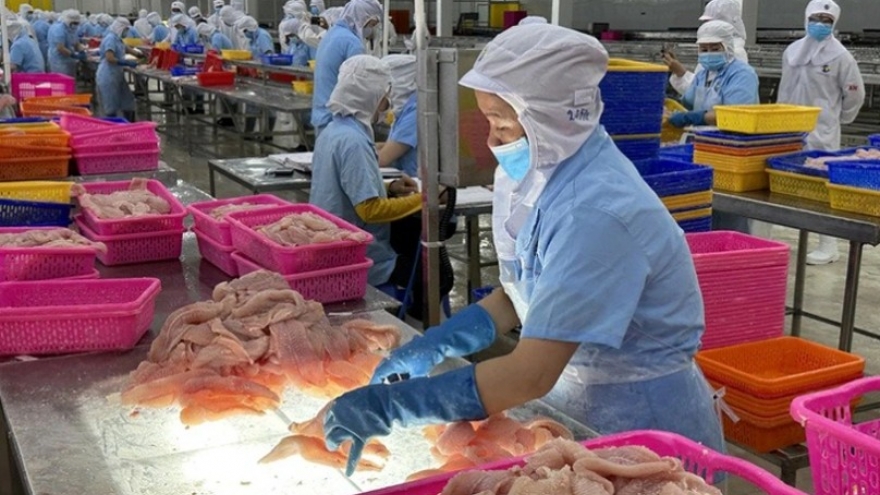
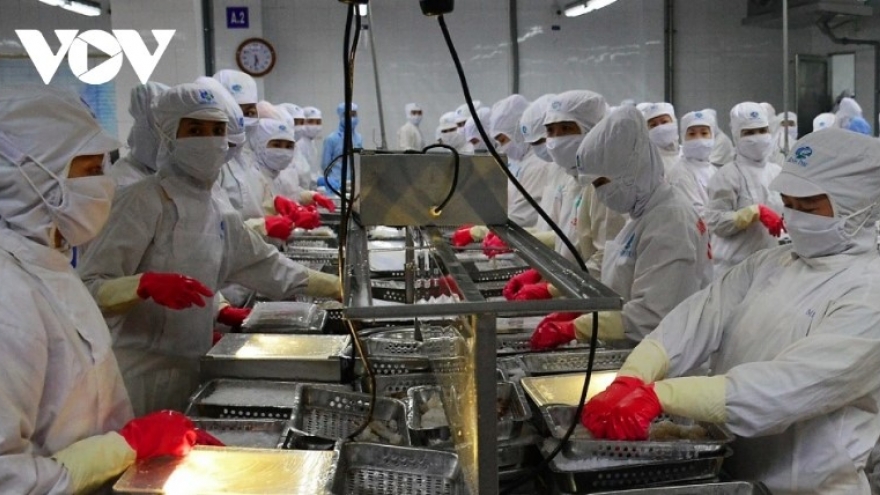
VOV.VN - Amid global economic fluctuations, Vietnam’s fisheries sector recorded positive outcomes in 2025, producing nearly 9.95 million tonnes and generating more than US$11 billion in exports.
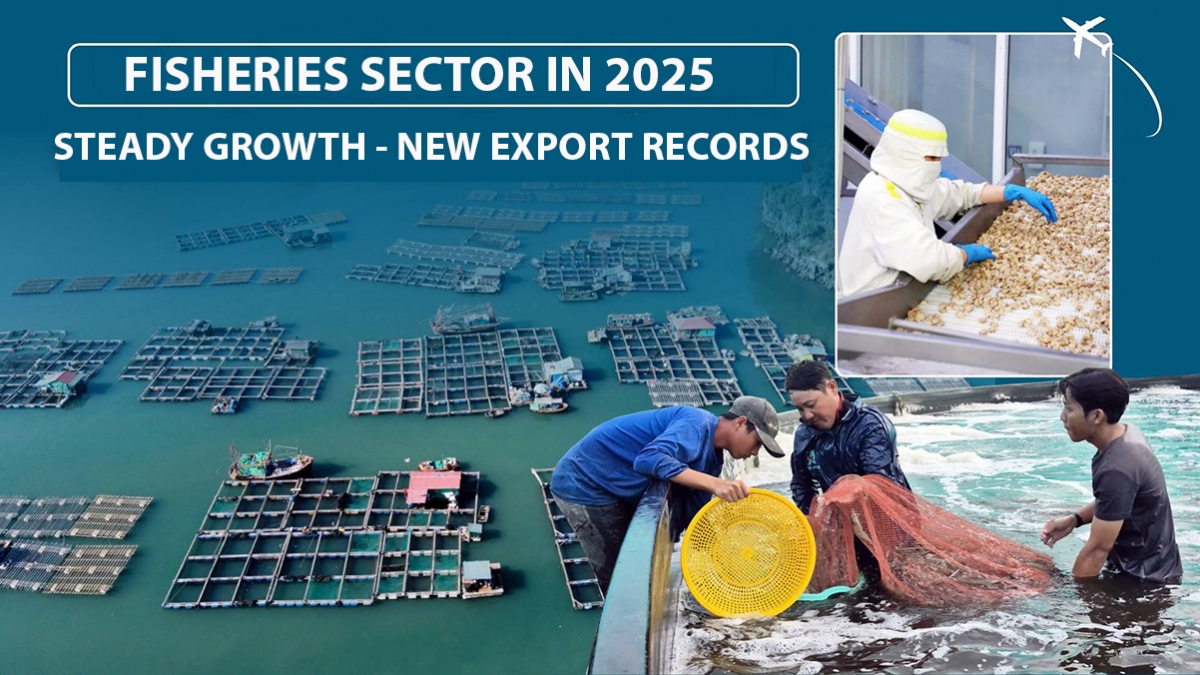
This performance reflects effective management and a strategic shift toward sustainable, value-added development.
Under multiple pressures
In 2025, the sector operated under rising input costs, slow market recovery, intensifying global competition, and stricter import requirements on traceability, environmental standards, and sustainability in key markets. Though the sector is taking an advantage from free trade agreements such as EVFTA, CPTPP, and UKVFTA, it is facing long-term challenges, including the EU’s “yellow card” warning under illegal, unreported, and unregulated (IUU) fishing regulations and increasingly stringent standards from major export markets.
Despite these challenges, the sector maintained steady growth, producing 9.95 million tonnes in 2025 - a 3% year-on-year increase, surpassing targets. Aquaculture output reached 6.1 million tonnes, up 5.1% from the previous year. Export revenue exceeded US$11 billion, 7.8% above the target of US$10.5 billion and 12.7% higher than 2024. Major export markets included Hong Kong and China (US$2.22 billion), the United States (US$1.68 billion), Japan (US$1.56 billion), the EU (US$1.03 billion), and the Republic of Korea (US$0.78 billion).
Strategic shift toward value-added growth
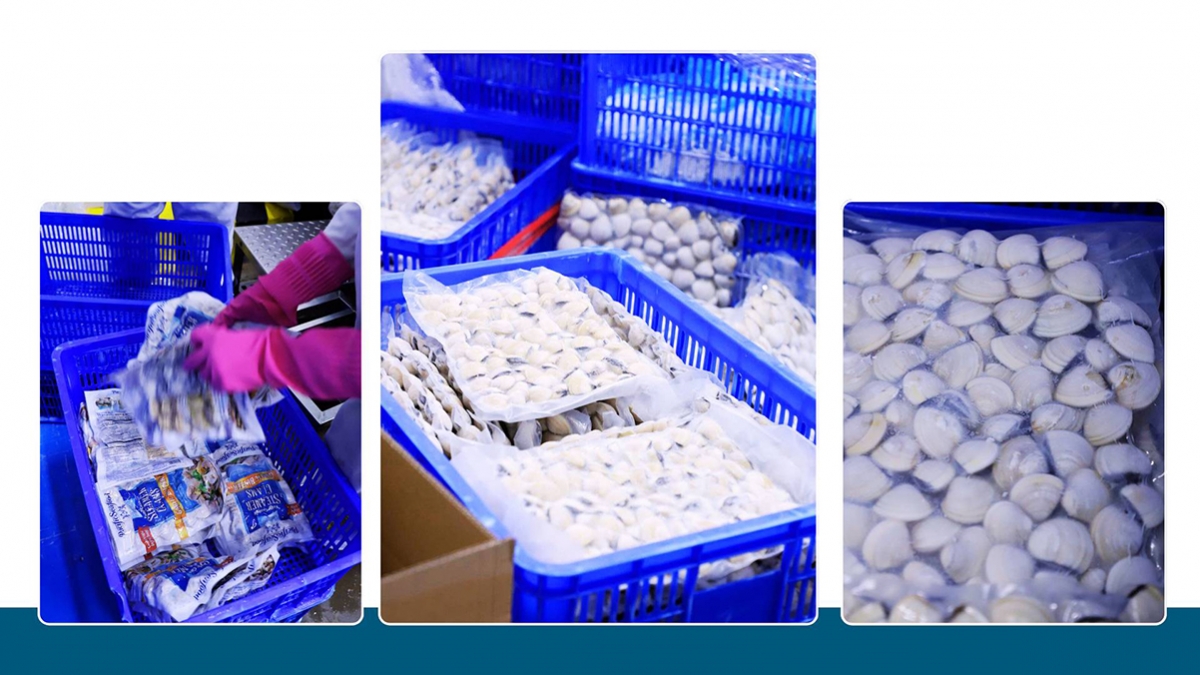
Deputy Minister of Agriculture and Environment Phung Duc Tien emphasised that the sector can no longer focus solely on expansion. The priority is to reorganise production, improve quality, reduce costs, and enhance competitiveness, particularly through science and technology, standardization of farming areas, and strict supply chain control.
“Shifting from a production-focused mindset to an economic-oriented approach, and from single-value growth to integrated multi-value growth, is essential for sustainable development,” he said.
Leadership by the Ministry of Agriculture and Environment, the Fisheries Department, and Fisheries Surveillance has been a key factor in sustaining growth. In 2025, the sector further implemented strategies linking production with markets, building brands, and increasing product value. Key initiatives included regulatory reforms, updating fisheries legislation, expanding farm code issuance, promoting VietGAP and organic certifications, and strengthening the management of broodstock, feed, disease control, and food safety in aquaculture.
Regulatory and digital transformation
Tran Dinh Luan, director of the Fisheries Department and Fisheries Surveillance, described 2025 as a pivotal year for regulatory improvements, planning, and digital transformation. Laws and development plans for aquaculture, capture fisheries, and seafood processing were reviewed or updated to create a consistent legal framework. The expansion of farm codes, traceability, and certifications such as VietGAP, ASC, and organic standards has become mandatory, serving as both export “passports” and management tools to ensure quality, environmental protection, and sustainable resource use.
Simultaneously, combating illegal, unreported, and unregulated (IUU) fishing, managing fishing vessels and ports, fisheries surveillance, and international cooperation remain key priorities. These measures demonstrate Vietnam’s strong political commitment to addressing the EU “yellow card” and deepening integration into global value chains.
Perspective from Lenger Vietnam
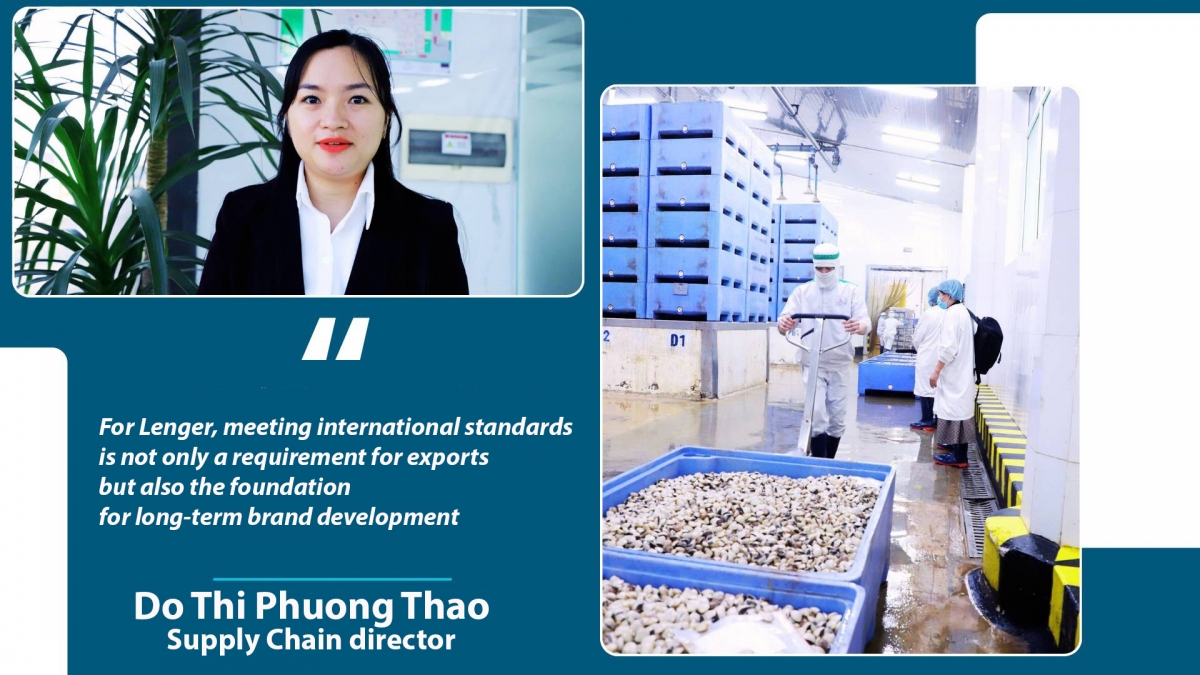
At the market forefront, Do Thi Phuong Thao, Supply Chain director of Lenger Vietnam, noted that while government policies are moving in the right direction, businesses must proactively raise standards. The clam and shellfish sector benefits from favourable natural conditions and high product quality. Free trade agreements like EVFTA and CPTPP provide tariff and market access advantages, but stringent requirements on traceability, environmental standards, and sustainability from the EU, US, and Japan remain major challenges.
“For Lenger, meeting international standards is not only a requirement for exports but also the foundation for long-term brand development,” Thao said.
The company has invested in a fully integrated supply chain, strictly managing farming areas and applying international standards such as ASC, HACCP, and ISO, while continuously upgrading processing and preservation technologies. Lenger Vietnam expects the government to further improve farm planning, unify the management of farm codes and traceability, and enhance support for market information, financing, and trade promotion to encourage long-term investment.
Sustainability and value chains
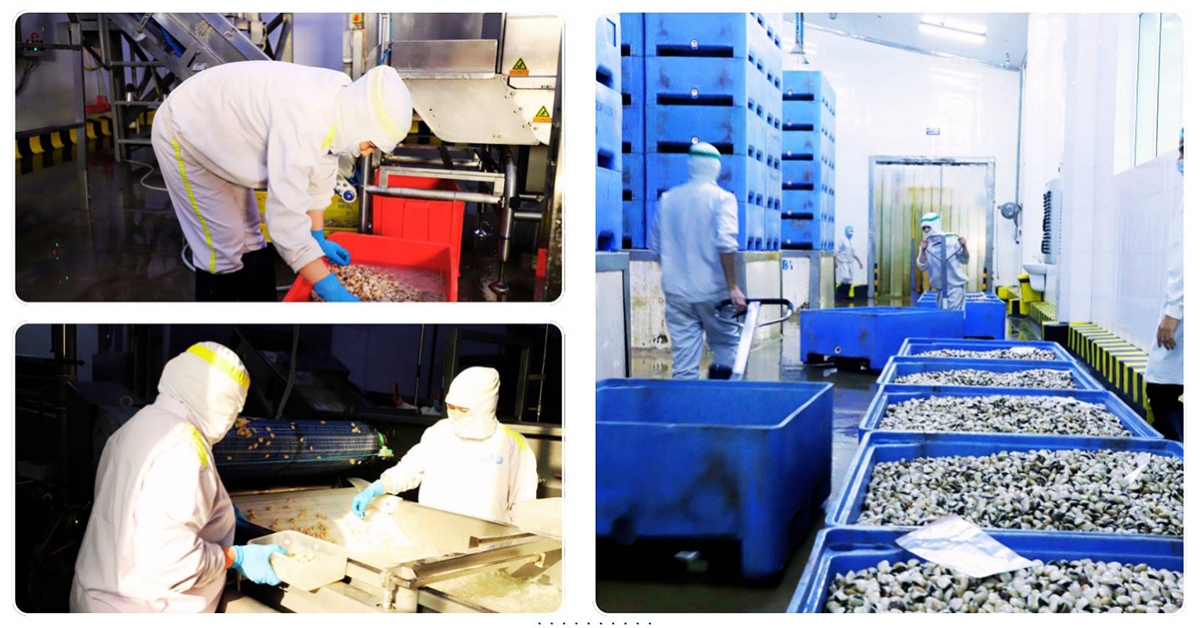
Across both government management and business operations, fisheries development is increasingly focused on value chains, quality, and responsibility rather than production volume alone. With enabling policies, businesses raise standards and align output with market demand, laying a foundation for sustainable growth and a stronger global position.
Looking into 2026, the Fisheries Department and Fisheries Surveillance views 2025’s achievements as a critical foundation for future development, with a focus on improving growth quality, promoting sustainable aquaculture, managing capture fisheries effectively, protecting marine resources, accelerating digital transformation, and deepening international integration. These measures are essential for enhancing Vietnam’s competitiveness and global standing in the seafood market.
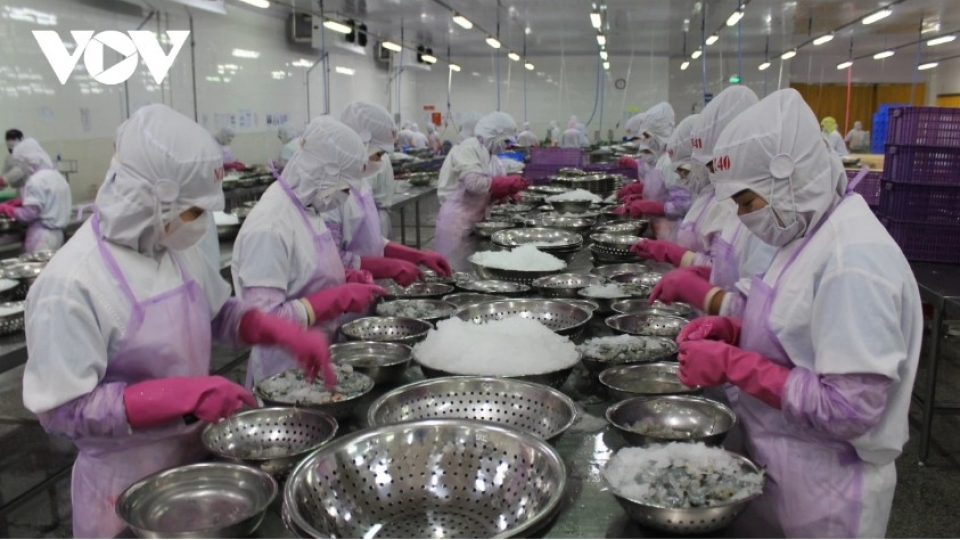
Vietnamese seafood exports gain ground in Singapore
VOV.VN - Over the past two years, Vietnamese seafood has increasingly met demand in Singapore, with import values rising steadily.