


Export orders pick up pace towards year-end

With just two months remaining in 2026, businesses are stepping up production and deliveries to meet rising demand for the year-end festive season and holiday shopping. Production activities at many businesses in southern Vietnam have become increasingly brisk as year-end orders gather pace.
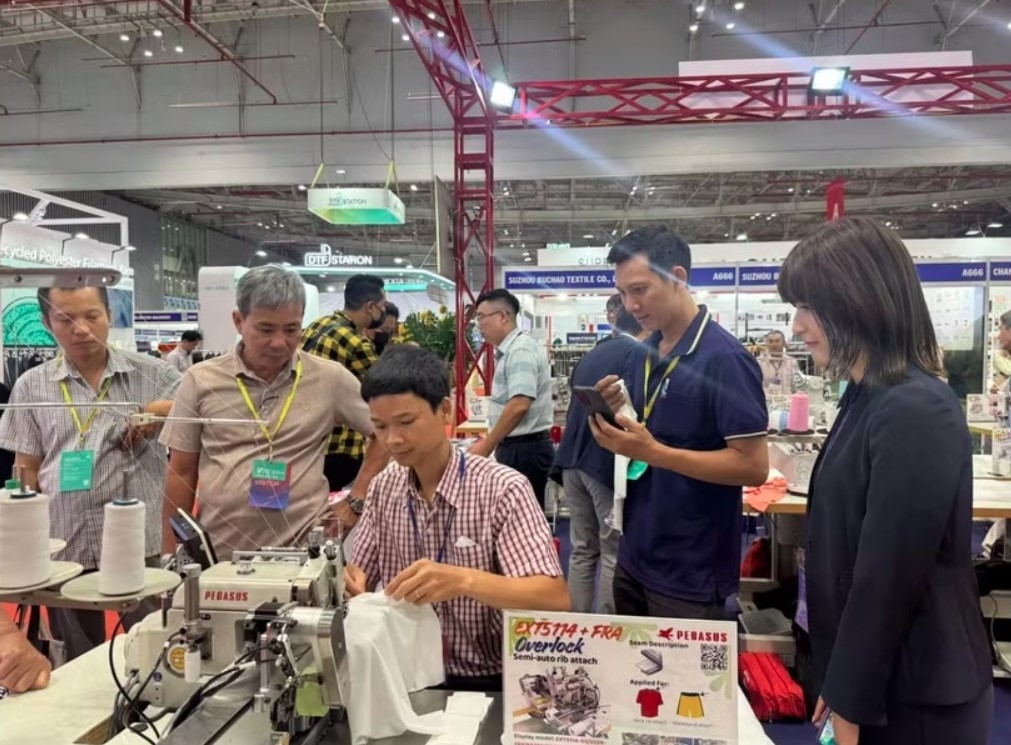
In Dong Nai city, Jason Furniture Vietnam Co., Ltd., a furniture manufacturer, said orders and production deadlines typically increased towards the end of the year. Nearly 6,000 workers are working at full capacity to ensure product quality and timely deliveries to partners.
Similarly, Dong Phu Cuong JSC, a garment manufacturer, reported positive business results, with September 2026 revenue exceeding US$1.75 million, equivalent to 122% of its target. The company said it would continue to increase output, improve production processes and cut costs in the fourth quarter to meet its annual business goals.
In agriculture, harvesting, preliminary processing and packaging activities are also in full swing at the plantations of Hoang Anh Gia Lai JSC (HAGL). In durian-growing areas in Gia Lai province and Laos, workers and technical staff are busy checking fruit maturity and selecting produce that meets export standards. The durians are then transported to packaging facilities for sorting and quality inspections under the supervision of Chinese experts.
HAGL's durian output has increased significantly this year. The company currently manages around 2,500 hectares of durian plantations in Vietnam, Laos and Cambodia. Notably, its 1,200 hectares in the Bolaven Plateau in southern Laos enter their harvest season in October and November, when domestic supplies of the fruit decline. This gives the company an advantage in maintaining supplies towards year-end and capitalising on demand from China.
Meanwhile, Vietnam's manufacturing sector continued to expand in October, although growth moderated. According to S&P Global's latest report released on November 2, the Purchasing Managers' Index (PMI) rose to 52.3 points in October from 51.9 in September, extending the improvement in business conditions to 16 consecutive months.
New orders increased for the sixth consecutive month, despite a prolonged decline in new export orders. Production also continued to grow in response to customer demand, although at its slowest pace in six months amid difficulties in purchasing raw materials.
Pham Xuan Hong, Chairman of the Ho Chi Minh City Association of Garment Textile Embroidery-Knitting (AGTEK), said textile and garment exports had maintained growth in the first 10 months, but businesses were facing smaller orders and increasingly complex requirements for quality and designs.
Many firms have accepted smaller, lower-priced orders and explored niche markets to offset fluctuations in major export destinations such as the US, Japan and the Middle East. Rather than prioritising short-term profits, they are focusing on retaining orders, safeguarding jobs and maintaining workers' incomes. Businesses are also gradually investing in automation, digital transformation and green technologies to meet increasingly stringent requirements from international buyers.
Nguyen Van Muoi, Chairman of the Tropical Agriculture Business Club, said export orders, particularly for fruit and vegetables, normally surged towards the end of the year as overseas importers and distributors prepared supplies for the festive season and Lunar New Year.
Although exports to some Middle Eastern and European markets have encountered difficulties, particularly in transportation, these have yet to significantly affect the sector's overall growth prospects.
China is Vietnam's largest fruit and vegetable export market, accounting for around 65% of total export value in the first 10 months. Other key markets, including the US, Japan and several Asian countries, have also maintained import demand.
Vietnam's fruit and vegetable export revenue reached an estimated US$8.3 billion in the January-October period, up 17.8% year on year. Muoi said the sector was well positioned to reach US$10 billion for the whole year, supported by stable demand in major markets and seasonal purchases ahead of the year-end holidays and Lunar New Year.
Meanwhile, seafood exports maintained positive growth, reaching approximately US$10.46 billion in the first 10 months, up 12% year on year. The sector is targeting US$12 billion for the full year.
A representative of the Vietnam Association of Seafood Exporters and Producers (VASEP) said exports to the US and EU continued to face challenges from trade barriers, traceability requirements, technical standards and competitive pressures.
However, China and Hong Kong (China) had emerged as important growth drivers, with seafood exports to these markets rising by more than 32% year on year in the first 10 months. ASEAN markets also recorded positive growth, helping broaden export opportunities for Vietnamese businesses.
With 10-month seafood export revenue standing at US$10.46 billion, the sector needs an additional US$1.54 billion in the final two months to meet its annual target. Under a more favourable scenario, with average monthly exports of US$1.2 billion, full-year revenue could reach approximately US$12.86 billion.
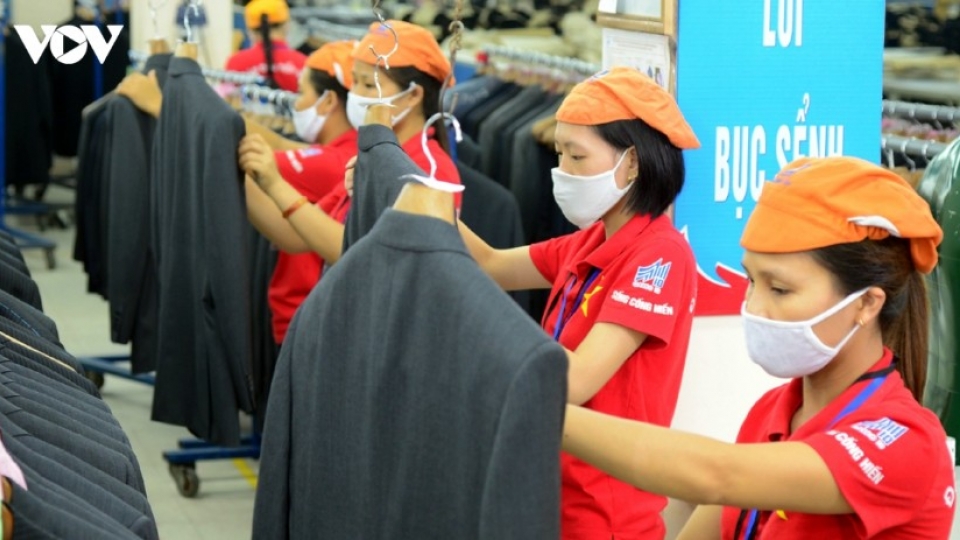
Year-end export order outlook diverges for Vietnamese garment makers
VOV.VN - Vietnam’s garment export growth has slowed in recent months, pointing to a tougher path toward the full-year target of US$48-49 billion amid a sharp divergence in order availability among manufacturers.

