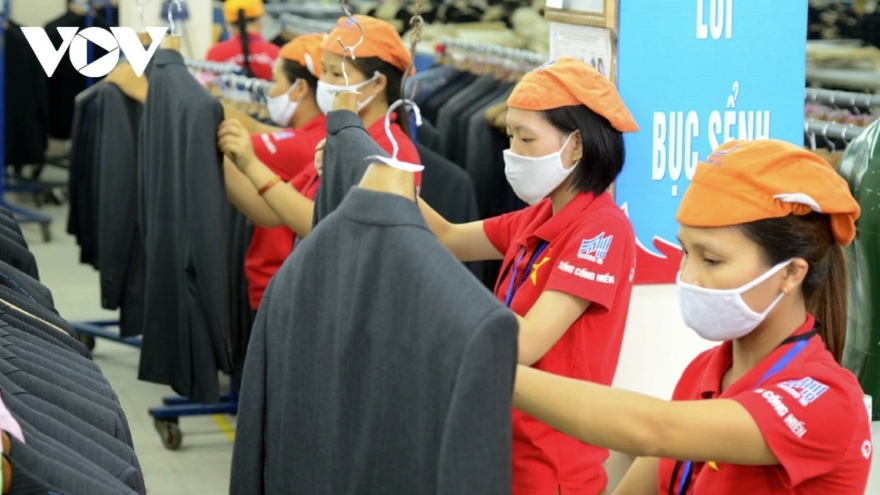
Export orders surge despite global headwinds

Despite ongoing global uncertainties, Vietnamese exporters are reporting strong order growth through the second quarter of 2026, driven by precautionary demand and supportive government policies.
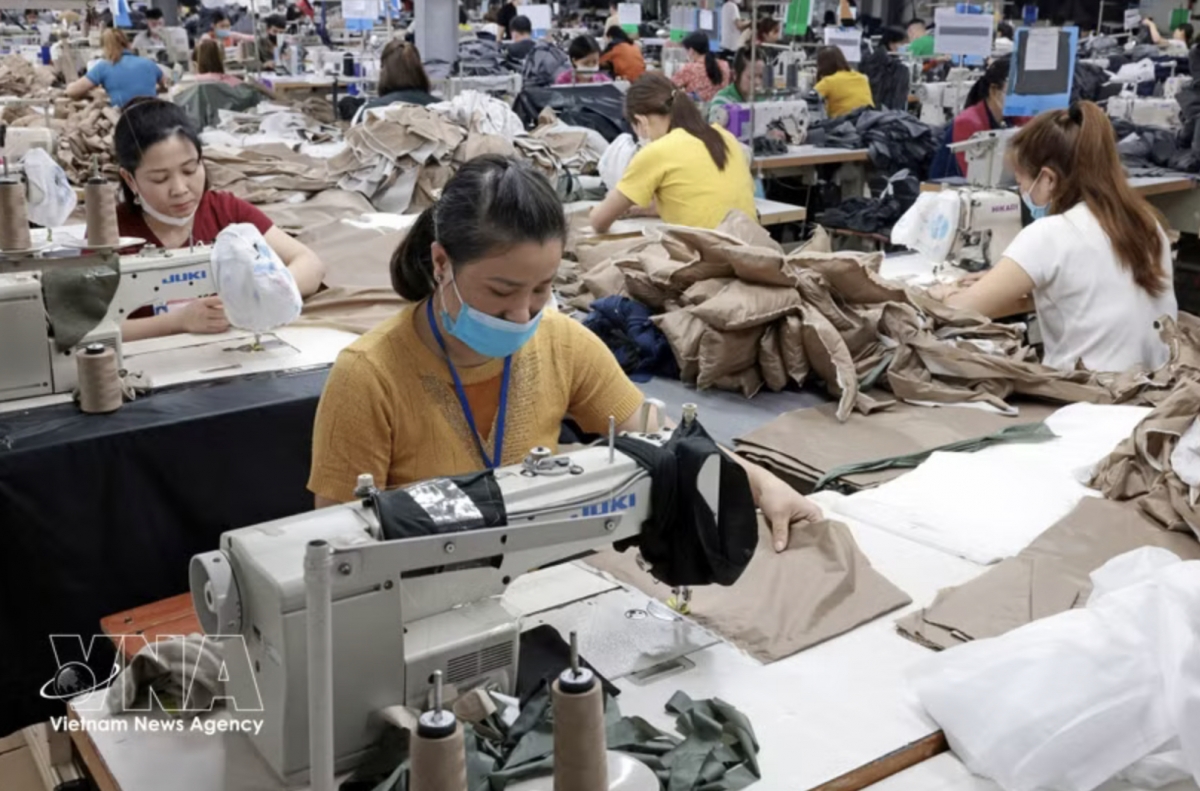
Orders booked through Q2
By late April, C&D Import-Export Co., Ltd., a wood and plywood exporter, had secured orders through the end of Q2. According to C&D Chairman Nguyen Tran Luat, contracts for Q3 are still being negotiated on a monthly basis rather than long-term deals. However, contrary to earlier concerns, order volumes in Q2 have risen sharply as buyers stockpile amid fears of prolonged geopolitical tensions, oil price volatility and shipping disruptions.
The company’s orders in Q2 have nearly doubled compared to the previous one. In Q1, it exported around 350 containers of goods, including timber and finished plywood. As of April 21, shipments delivered and signed contracts had already exceeded 500 containers, with further orders expected in May and June. Output for Q2 is projected to double, or even surpass, Q1 levels.
Luat credited recent government support measures, particularly in credit and administrative reform, for helping businesses maintain momentum. Lower interest rates, faster lending procedures and streamlined customs clearance have provided tangible support for exporters.
He added that businesses expect continued efforts to cut red tape and strengthen support for small and medium-sized enterprises.
Explaining trade deficit
According to the National Statistics Office under the Ministry of Finance, Vietnam recorded a trade deficit of US$3.64 billion in Q1 2026, compared to a surplus of US$3.57 billion in the same period last year. The domestic sector posted a deficit of US$10.73 billion, while the foreign-invested sector (including crude oil) recorded a surplus of US$7.09 billion.
NSO Director Nguyen Thi Huong said the shift to a trade deficit mainly reflects rising imports of machinery, equipment and raw materials for production.
She stressed that the deficit is temporary, linked to production cycles and price factors, and signals businesses’ proactive adaptation rather than structural imbalance.
Echoing this view, Nguyen Ba Hung, chief economist of the Asian Development Bank in Vietnam, noted that the country’s trade structure is characterised by the dominant role of the foreign-invested sector, which accounted for about 77% of export turnover in 2025, compared to just over 22% for domestic firms.
He added that the Q1 deficit aligns with a typical pattern in which imports grow faster than exports as businesses ramp up input purchases to fulfil future export orders. While it is too early to conclude any structural shift, a potential factor could be the recovery of the domestic market, where rising production, investment and consumption are driving higher demand for imported inputs and consumer goods.
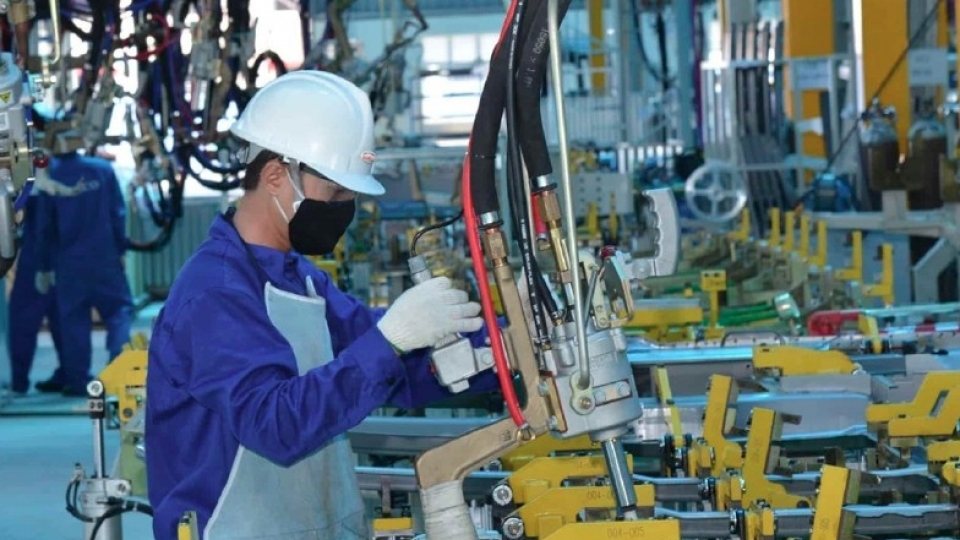
PMI dips as export orders see steepest fall in more than two years
VOV.VN - Vietnam’s Manufacturing Purchasing Managers’ Index (PMI), compiled by S&P Global, fell to 48.9 in June from 49.8 in May, remaining below the 50.0 threshold for the third consecutive month and signaling a continued deterioration in manufacturing conditions as the first half of the year came to a close.