


Energy-saving solutions help businesses cut costs and meet green standards

VOV.VN - Energy-saving solutions that help manufacturers reduce operating costs and meet increasingly stringent environmental requirements were in focus at a Ministry of Industry and Trade workshop in Hung Yen on October 28, as businesses face mounting pressure to improve energy efficiency and cut carbon emissions.
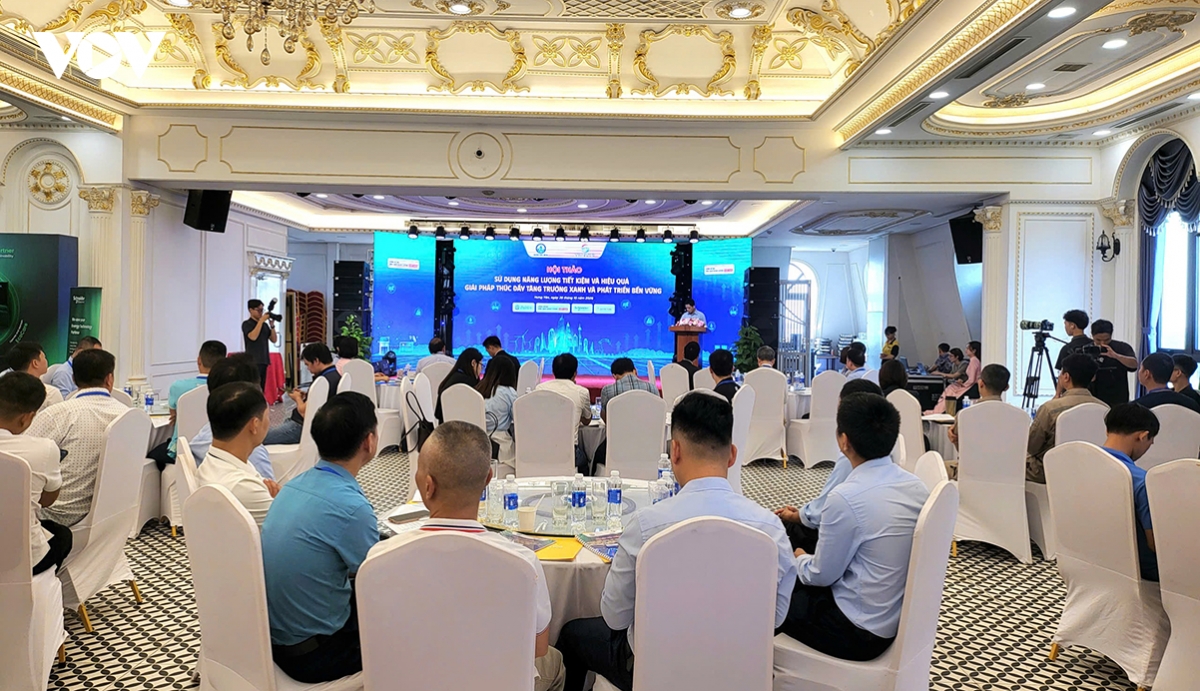
The workshop, entitled “Efficient Use of Energy – A Solution for Promoting Green Growth and Sustainable Development”, brought together representatives of state management agencies, industry associations, experts, manufacturers in industrial parks, and providers of technological and financial solutions. Discussions covered policy developments, energy-efficient technologies and financing mechanisms to help businesses improve energy performance and move towards more sustainable production.
For Vietnamese manufacturers, energy efficiency is becoming increasingly important not only as a way to optimise operating costs but also as a means of maintaining competitiveness in international markets. Rising energy demand, volatility in global energy markets and growing pressure to reduce greenhouse gas emissions are prompting businesses to reconsider how they manage and consume energy.
Green requirements put pressure on exporters
The challenge extends beyond domestic regulations. The European Union and other major export markets are introducing or strengthening environmental requirements, while international brands are placing greater emphasis on emissions reporting, supply-chain transparency and environmental accountability.
The EU’s Carbon Border Adjustment Mechanism (CBAM), which applies to certain categories of goods, illustrates how carbon-related requirements are becoming increasingly relevant to international trade. For Vietnamese exporters, improving energy efficiency and reducing the carbon intensity of production can help them prepare for these changing market conditions.
Lai Duc Tuan, representing the Ministry of Industry and Trade’s Department of Energy and Petroleum, highlighted the growing importance of sustainability for businesses seeking to maintain their positions in international markets.
“Sustainable development is becoming one of the important conditions for products to enter and maintain their position in international markets,” he said.
He noted that businesses are facing increasingly demanding requirements concerning greenhouse gas emissions, traceability, environmental transparency and responsibility throughout supply chains. These pressures are making it more important for manufacturers to invest in technological innovation, improve production efficiency and reduce the carbon intensity of their products.
Connecting businesses with practical solutions
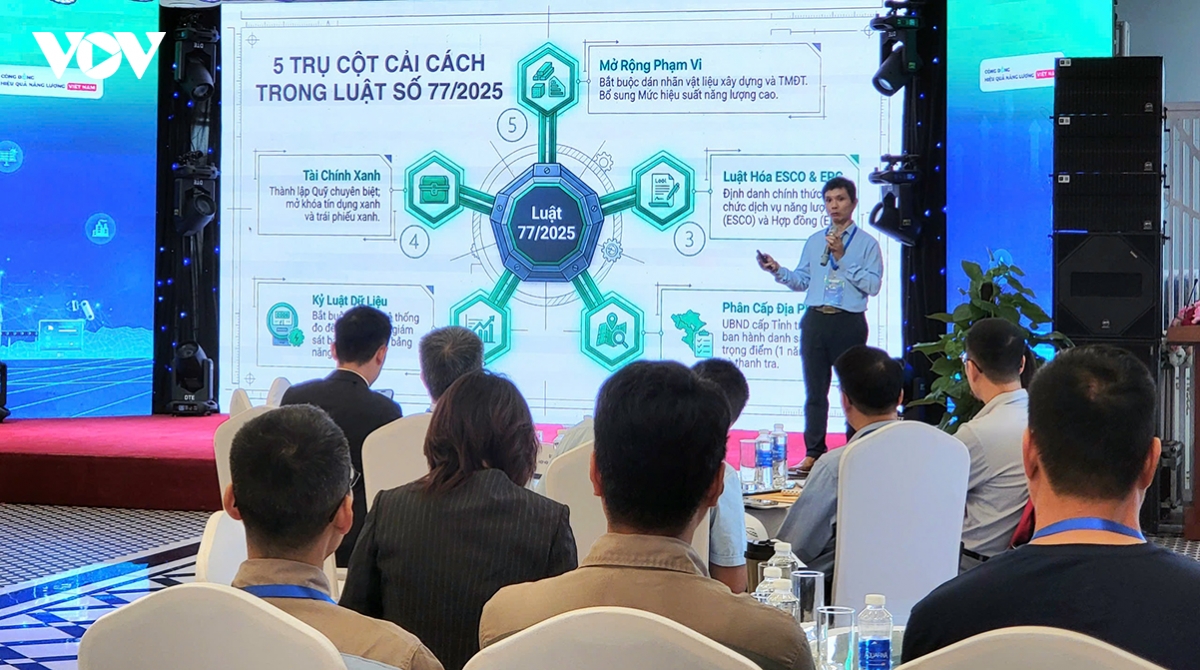
Meeting these requirements often calls for investment, technical expertise and access to appropriate technologies and financing. Connecting businesses with solution providers is therefore an important step towards translating energy efficiency policies into practical improvements in production.
As of the end of October 2026, the Vietnam Energy Efficiency Community has recorded around 850 connections between solution providers and businesses, moving towards its target of 1,000 connections for the year. The initiative operates under the National Energy Efficiency Programme for 2019–2030 (VNEEP3), with support from the Ministry of Industry and Trade.
Nguyen Dinh Hiep, chairman of the Vietnam Energy Conservation and Energy Efficiency Association (VECEA), said the community is expected to strengthen cooperation among stakeholders and create more opportunities for businesses to adopt energy-efficient solutions.
“With the support of the Department of Energy and Petroleum and the active participation of stakeholders, the Vietnam Energy Efficiency Community aims to reach 1,000 connections in 2026, becoming an important bridge between state management agencies, experts, financial institutions, consultants, technology providers and businesses,” he said.
The community has begun generating concrete cooperation opportunities, including energy service company (ESCO) models. Such arrangements can help businesses access specialised energy services and technical solutions, although the benefits depend on each project's design, financing and implementation.
Better energy management supports long-term competitiveness
Energy efficiency requires more than adopting individual technologies. Effective energy management, systematic monitoring and appropriate evaluation mechanisms can help businesses identify opportunities to reduce consumption and assess their progress.
Ha Dang Son, an energy expert from the VECEA Secretariat, pointed out that implementing energy efficiency regulations could also help businesses prepare for greenhouse gas emissions reporting requirements in Vietnam and overseas markets.
He noted that businesses faced not only domestic regulatory requirements but also emissions management and reporting rules in importing countries, as well as environmental expectations set by international brands across global supply chains.
“Meeting these requirements is no longer a matter of choice. It has become essential for businesses seeking to maintain their competitiveness and participate more deeply in international markets,” he said.
The workshop also introduced technological solutions for smart industrial parks and smart factories, alongside financing mechanisms to support investment in energy-efficient projects.
Access to suitable finance is particularly important for businesses seeking to upgrade equipment, modernise production processes and improve energy performance while managing upfront investment costs. Connecting companies with technology providers, consultants and financial institutions can help them identify solutions suited to their operational needs.
By combining better energy management with technological upgrades and appropriate financing, businesses can work towards lower operating costs while strengthening their ability to respond to environmental requirements across international supply chains.
Vietnam, Denmark target deeper cooperation in green energy, high technology
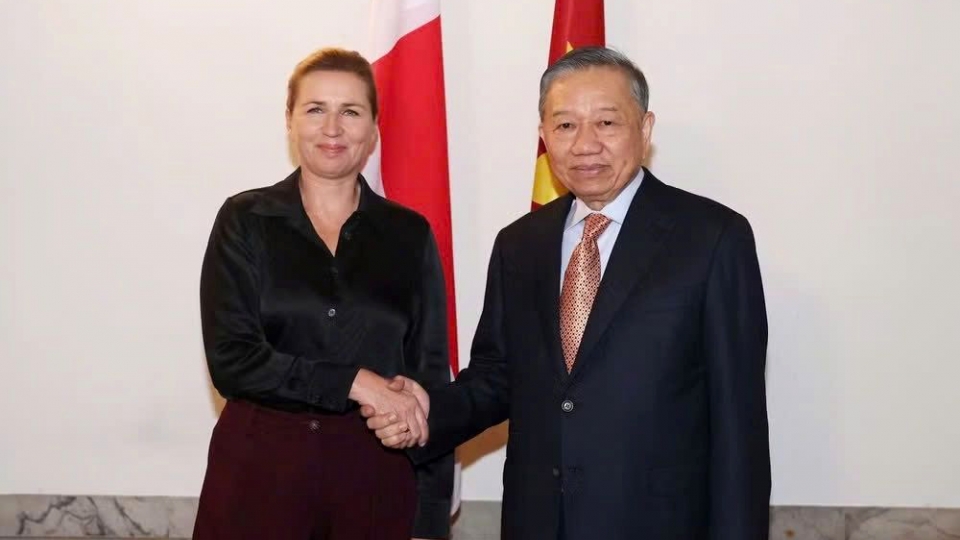
VOV.VN - Vietnam and Denmark are looking to deepen practical cooperation in green energy, trade, investment and advanced technology, with both sides aiming to turn shared priorities into concrete projects and stronger economic links.


