Artificial intelligence fuels disinformation targeting Vietnam

VOV.VN - The rapid expansion of artificial intelligence is increasing both the speed and sophistication of disinformation online. These distort the information environment, misrepresent policy and undermine Vietnam, requiring vigilance and proactive responses.

Conflicts in the Middle East continue to escalate, while socio-economic conditions in Cuba are facing numerous difficulties. As the real world undergoes sharp changes, the online space has become equally intense. The rise of artificial intelligence (AI) has driven the production and spread of disinformation at a rapid pace. Much of this content is not simply aimed at attracting views; it includes disinformation that distorts Vietnam’s foreign policy.
Distortion of “Four No’s” defence policy
Exploiting public concern and anxiety over global flashpoints, an organised, cross-border disinformation campaign is targeting Vietnam. One of the most widely circulated claims falsely alleges that Vietnam is sending emergency aid, including military supplies, to Iran amid peak tensions in the Middle East.
To make such claims appear credible, those behind them use generative AI in a highly deceptive way. Old footage of humanitarian aid shipments or military exercises from previous years is collected and reused. AI tools are then used to alter context and insert fabricated flags and insignia to make the content appear current.
This is far from trivial online content. At its core, it is a calculated attempt to distort Vietnam’s national image and misrepresent its defence policy. Vietnam consistently adheres to its “Four No’s” policy: no participation in military alliances; no siding with one country against another; no foreign military bases or use of its territory against others; and no use or threat of force.
Claims that Vietnam is sending aid and military supplies into a hotspot such as Iran are fabricated and intended to mislead international opinion, portraying Vietnam as a party to armed conflict.
In response, Vietnam’s Ministry of Foreign Affairs issued an official statement rejecting the claims. The ministry’s spokesperson said that any claims of military support or emergency aid to parties involved in Middle East conflicts are entirely false. Vietnam is a peace-loving country that complies with the United Nations Charter and international law and does not add to the flames of conflict. The clarification helped dispel the smear campaign and protect the country’s diplomatic standing.
Claims that Vietnam is sending goods or military supplies into a conflict zone such as Iran are fabricated and intended to mislead international opinion, portraying Vietnam as a party to armed conflict.
In response, Vietnam’s Ministry of Foreign Affairs issued an official rebuttal. The ministry’s spokesperson firmly rejected the claims, stating that any information about military support or emergency aid to parties involved in Middle East conflicts is entirely false. Vietnam is a peace-loving country that complies with the United Nations Charter and international law, contributing to peace and stability rather than fuelling conflict. The clarification helped counter the false claims and protect the country’s diplomatic standing.
Old content, newly manipulated
Disinformation has also targeted the longstanding relationship between Vietnam and Cuba. Recent claims alleged that Cuba had abandoned socialism and issued an apology to Vietnam.
Those behind the claims exploited language barriers to mislead social media users. A segment of an old speech by a Cuban leader was cut and manipulated, while AI-generated audio mimicked a Vietnamese news-style voiceover or subtitles were deliberately mistranslated. As many social media users do not understand Cuban, this manipulation caused confusion among some users.
However, when compared with the original, unedited video, there is no statement whatsoever indicating any departure from socialism or apology to Vietnam. These claims are fabricated, crudely constructed to undermine shared ideals, damage the longstanding solidarity between the two countries, and violate the principle of non-interference in internal affairs.
Sophisticated tactics of online abuse
Disinformation is also directed at the domestic sphere. A growing tactic on video-sharing platforms involves manipulating images of Party, State and military leaders.
Images are taken out of context and placed against sombre or tense backgrounds. Fabricated and misleading text is added to thumbnails, attributing statements that were never made. This tactic exploits psychological effects, including anchoring bias and curiosity. Striking visuals and provocative wording create an immediate but misleading first impression. Even when the video content itself is unrelated, the manipulated image plants doubt in the viewer’s mind. While the claims are false, the damage to public trust and institutional credibility is real.
Identifying motives
The spread of disinformation stems from different motives. Some actors seek profit, monetising views and interactions on social media platforms. Behind this, more troublingly, are darker political motives, with networks of fake accounts used to push content into trending positions and create the illusion of majority belief.
Such activities amount to psychological warfare, aimed at creating public confusion, weakening trust in the Party and State, and causing instability in the political and social environment.
Strengthening resilience in digital space
Countering disinformation requires a coordinated response. First, state agencies need to strictly handle those who produce and spread false information, while requiring cross-border platforms to comply with Vietnamese law and remove harmful content from their platforms.
Second, official media outlets need to enhance their role in guiding public opinion. News organisations should apply advanced technologies, including AI, to detect and counter disinformation at an early stage and regain initiative in the information space.
Third, public awareness is essential. Individuals need to strengthen critical thinking and avoid reacting impulsively to sensational content. A simple principle applies: pause, think and verify before sharing, especially with politically sensitive information or content from unverified sources.
Artificial intelligence is a double-edged sword. Whether it serves the public or is used for manipulation depends on the intent of those who use it. Countering disinformation requires coordinated efforts by authorities, media and citizens. When facts are upheld through critical thinking, false narratives will have no ground on which to sow doubt.
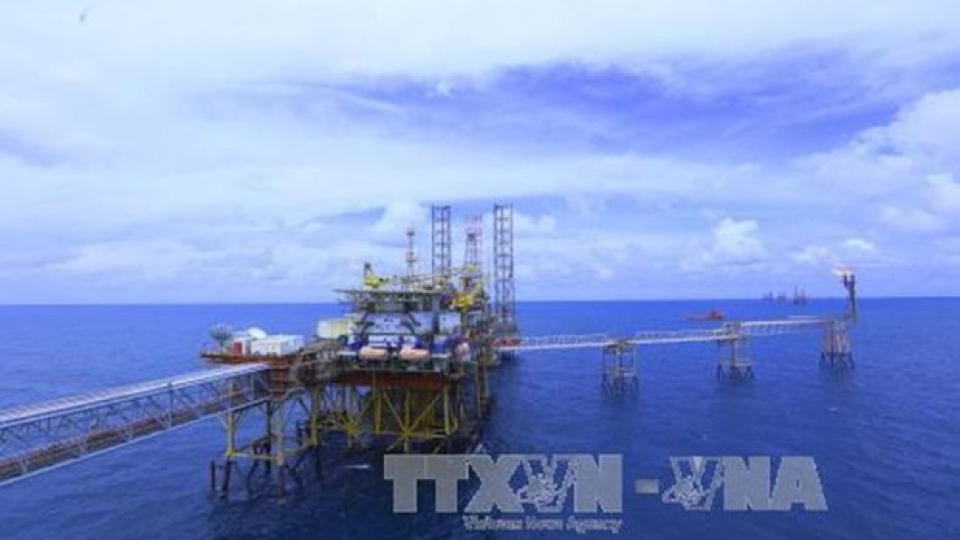
Artificial intelligence, machine learning applied to petroleum exploration
The Vietnam Petroleum Institute (VPI), a member of the Vietnam Oil and Gas Group (PetroVietnam), has applied artificial intelligence (AI) and machine learning to quickly identify the presence of fractured granite basement, with an accuracy rate of over 80%, helping save exploration time and costs.
Vietnam Artificial Intelligence Day set to be launched this September
VOV.VN - The 2022 Vietnam Artificial Intelligence Day (AI4VN) will run with the theme of highlighting economic recovery and future shaping, with the event scheduled to take place on September 22 in Hanoi.