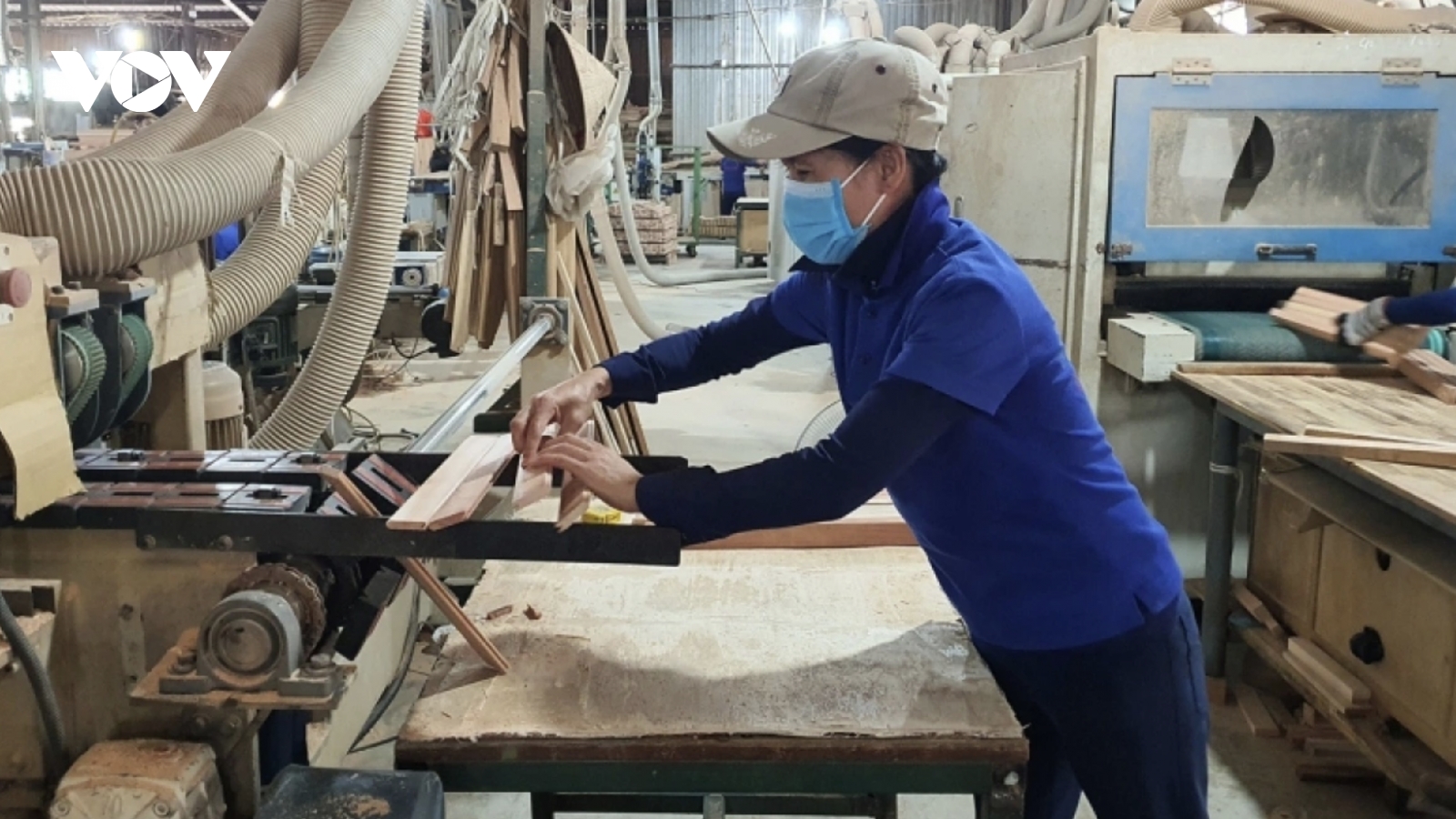
E-commerce drives exports, offering transformation opportunity for local firms

VOV.VN - Cross-border e-commerce is emerging as a key driver of export growth, enabling Vietnamese small and medium-sized enterprises (SMEs) to directly access global markets and enhance their competitiveness.
In recent years, cross-border e-commerce has become an increasingly prominent feature of global trade. For Vietnam, it is creating new export opportunities, particularly for micro, small and medium-sized enterprises (MSMEs), which are seeking more efficient ways to reach overseas consumers.
Policy momentum supports cross-border e-commerce expansion
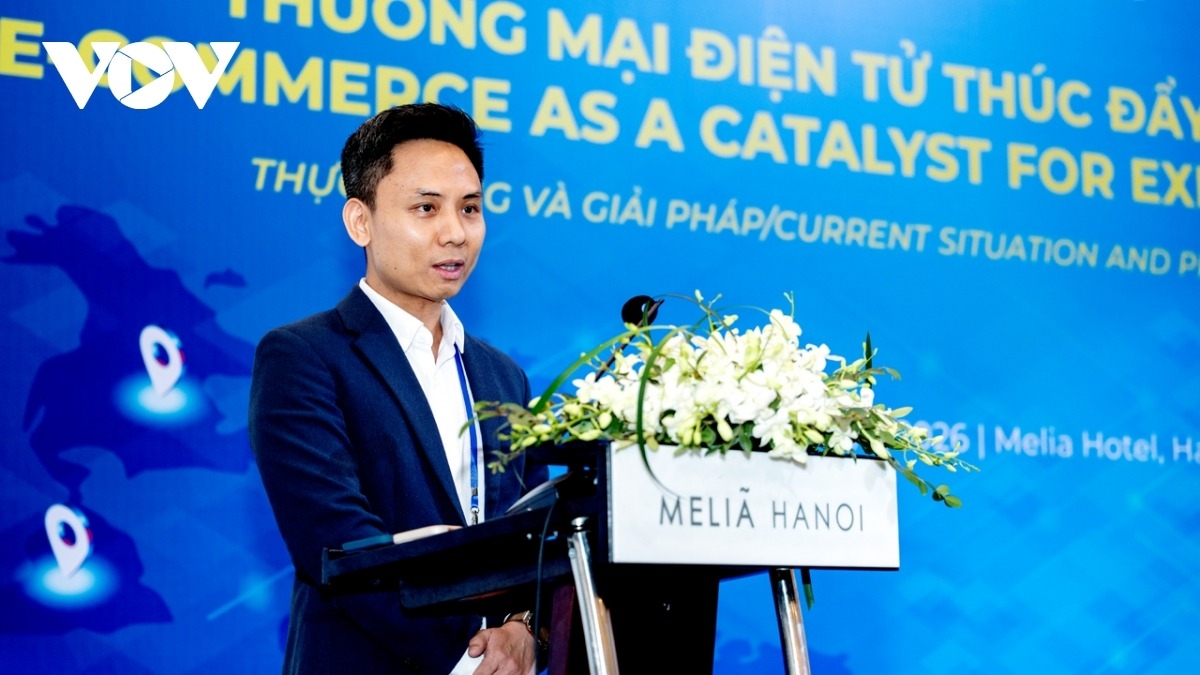
The Law on E-commerce, set to take effect in July 2026, is expected to further accelerate this trend by promoting cross-border digital trade and expanding international market access for Vietnamese goods and services. At the same time, the National E-commerce Development Master Plan for 2026–2030 sets out a broader goal of increasing the consumption of Vietnamese products both domestically and abroad through digital platforms.
At a seminar on e-commerce and exports held in Hanoi on March 7, Tran Trong Tuyen, vice chairman of the Vietnam E-commerce Association (VECOM), said businesses have been actively adopting online channels to expand their export activities. He noted that cross-border e-commerce represents a significant transformation opportunity, allowing Vietnamese SMEs to connect directly with global consumers.
An increasing number of MSMEs have successfully brought their products to international markets via global e-commerce platforms. Companies such as Amazon have introduced various initiatives to support Vietnamese sellers, including logistics and market access solutions.
According to an Amazon representative, the launch of Amazon Global Logistics in Vietnam provides integrated logistics services that help businesses simplify export procedures to the United States, reduce costs and improve efficiency.
SMEs drive growth as firms call for long-term strategy
Vietnam is now entering what experts describe as a pivotal phase in the expansion of business-to-consumer e-commerce exports. Growth is expected to be driven largely by MSMEs, particularly in the apparel and home furnishings sectors, where Vietnam already holds strong export advantages.
The country ranks among the world’s leading exporters of textiles and furniture, supported by competitive production costs, large-scale manufacturing capacity and a skilled workforce. These strengths position Vietnamese firms well to capitalise on the growing demand in global e-commerce markets.
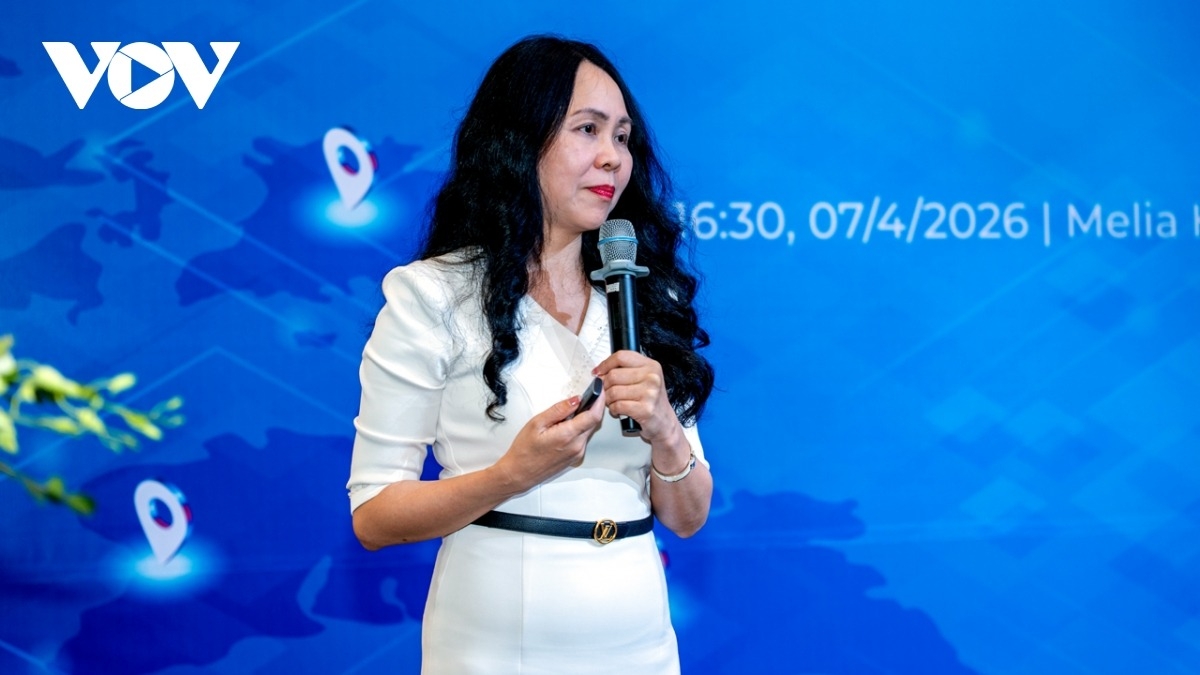
From a regulatory perspective, Le Hoang Oanh, director of the E-commerce and Digital Economy Agency under the Ministry of Industry and Trade, said e-commerce exports will be a central pillar of Vietnam’s digital trade strategy through 2030. She added that the policy framework is gradually being completed, providing a more solid foundation for future growth.
With stronger institutional support, rising business participation and improving market conditions, the 2026–2030 period is widely expected to mark an acceleration phase for Vietnam’s e-commerce exports, contributing to a higher position in global value chains.
A 2026 survey by Access Partnership indicates strong confidence among businesses in this channel. Most respondents said cross-border e-commerce plays an important role in their growth strategies and helps improve their international competitiveness. Key export destinations continue to include the United States, China and the United Kingdom.
At the same time, many businesses emphasised the need for a comprehensive and long-term national strategy dedicated to e-commerce exports. Improved coordination between central and local authorities, along with streamlined administrative procedures and more integrated support services, is expected to further facilitate the participation of Vietnamese firms in global markets.

Cross-border e-commerce opens fast track for agricultural exports to ASEAN
VOV.VN - Cross-border e-commerce is emerging as a powerful “fast track” that enables Vietnamese agricultural products to penetrate the ASEAN market, significantly reducing reliance on traditional intermediaries.