


Czech Republic, Vietnam outline directions to expand economic cooperation

VOV.VN - The Czech Republic and Vietnam have recently examined measures to expand economic cooperation in the new period, with a focus on energy, mining, railways, health care, high-tech agriculture and defence equipment.
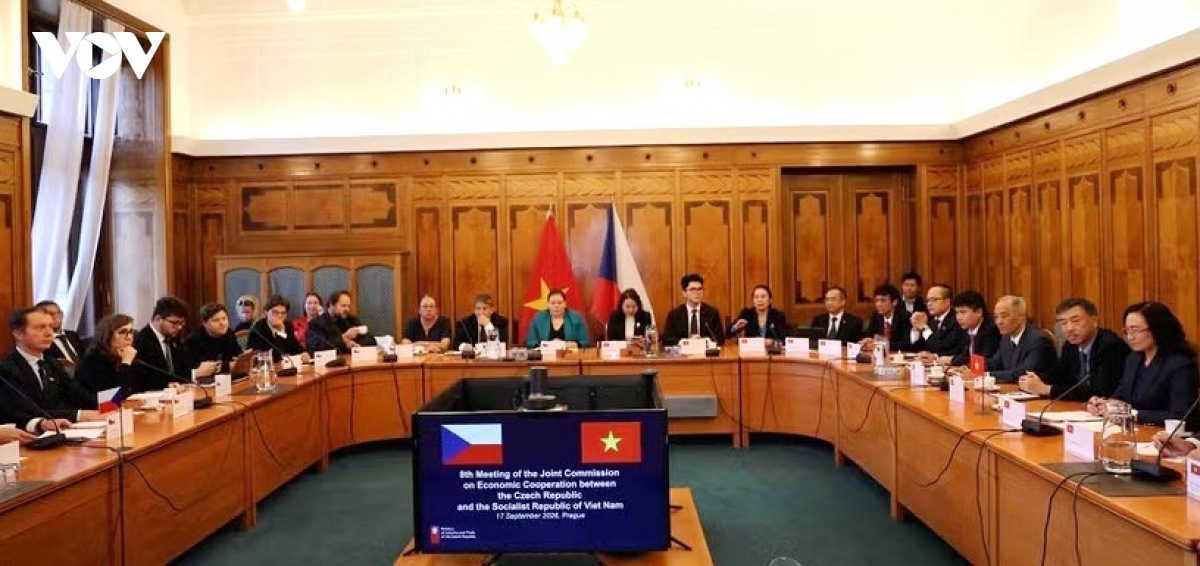
The discussions were made at the eighth meeting of the Joint Commission on Economic Cooperation between Vietnam and the Czech Republic, held in Prague on September 17, aiming to promote economic, trade and investment cooperation and explore additional areas of potential cooperation in the coming period.
Speaking at the session, Vietnamese Deputy Minister of Industry and Trade Phan Thi Thang gave an overview of Vietnam’s economic situation amid continued challenges facing the global economy and trade, including geopolitical tensions, localised conflicts, risks of supply chain disruptions and rising trade protectionism.
She recalled that Vietnam’s GDP grew 8.02% in 2025, with the economy estimated at around US$514 billion. Total trade in goods reached US$930 billion, up 18.1% from 2024, with exports at US$475 billion and imports at US$455 billion.
In the first six months of 2026 alone, the country’s GDP expanded 8.18% year on year. Total registered foreign direct investment, including newly registered and adjusted capital and capital contributions and share purchases, hit US$34.65 billion, up 61%.
According to the trade official, these results provide a foundation for Vietnam to further enhance economic, trade and investment cooperation with its partners, including the Czech Republic.
Expanding cooperation into potential areas
Czech Deputy Minister of Industry and Trade Jan Sechter spoke highly of Vietnam’s achievements in recent times, noting that Czech businesses have invested in Vietnam and that some areas agreed upon at previous sessions of the Intergovernmental Committee have gradually been put into practice.
He highlighted the project of Czech group Škoda in Vietnam and expressed the expectation that businesses from the two countries would continue to expand cooperation in energy, mining, defence equipment, railways, health care and high-tech agriculture.
According to him, two-way trade has increased by around 30% over the past three years, reaching approximately US$7 billion. Businesses from both countries have also stepped up exchanges and cooperation, gradually making their activities more substantive.
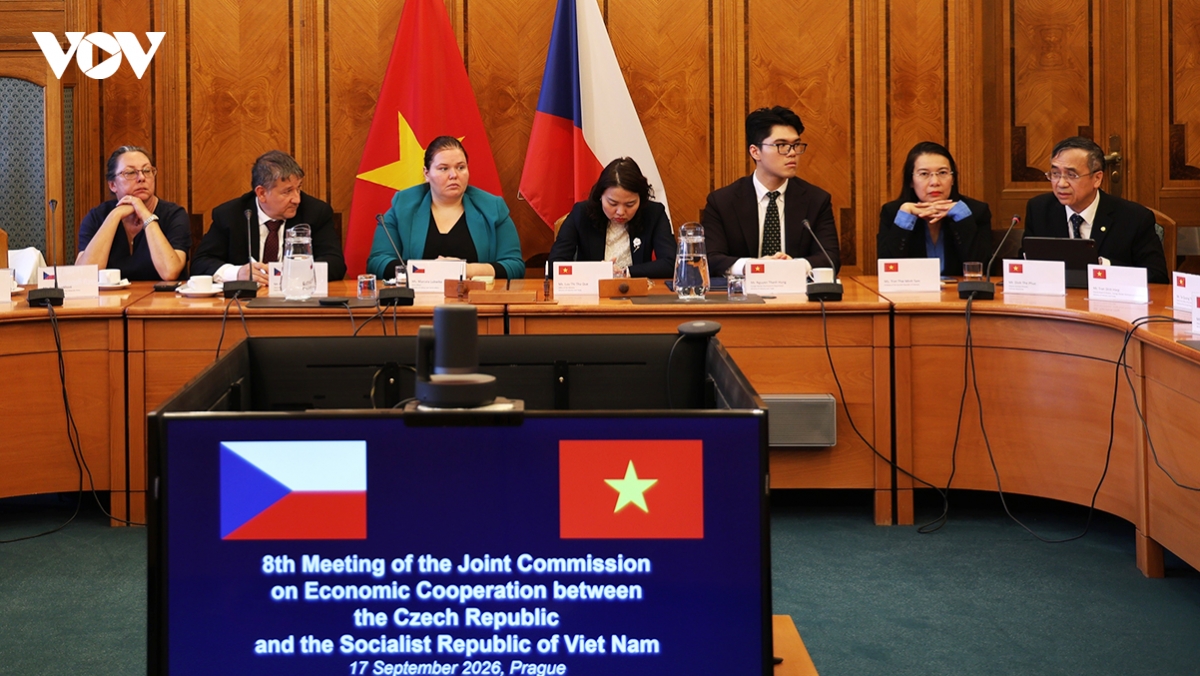
The Czech Deputy Minister of Industry and Trade stressed that investment by Czech businesses in Vietnam over the years has contributed to fostering economic ties between the two countries and strengthening the engagement of Czech businesses with the Vietnamese market.
Meanwhile, Vietnamese Deputy Minister Phan Thi Thang said the two sides have, after intensive and substantive discussions, conducted a comprehensive review of bilateral cooperation, with many positive signs.
Two-way trade has continued to grow, and the utilisation of the EU-Vietnam Free Trade Agreement (EVFTA) has become increasingly substantive. One example highlighted at the session was the Škoda automobile manufacturing complex in Quang Ninh, which has officially become operational.
On that basis, the two sides agreed on a range of directions and measures to expand the scope of economic cooperation in the new period.
Towards more substantive economic cooperation
Receiving the Vietnamese trade official at an earlier meeting, Czech First Deputy Prime Minister and Minister of Industry and Trade Karel Havlíček described Vietnam as the Czech Republic’s most important trading partner in Southeast Asia. The two sides discussed economic cooperation and a number of areas of potential mutual interest.
The Czech First Deputy Prime Minister and Minister of Industry and Trade also acknowledged and spoke highly of the contributions made by the Vietnamese community to the Czech society.
Building on the results achieved and the areas agreed upon at the latest session, Vietnam-Czech Republic economic cooperation is set to expand into more areas, with greater business participation and continued efforts to translate agreed arrangements into practical outcomes.
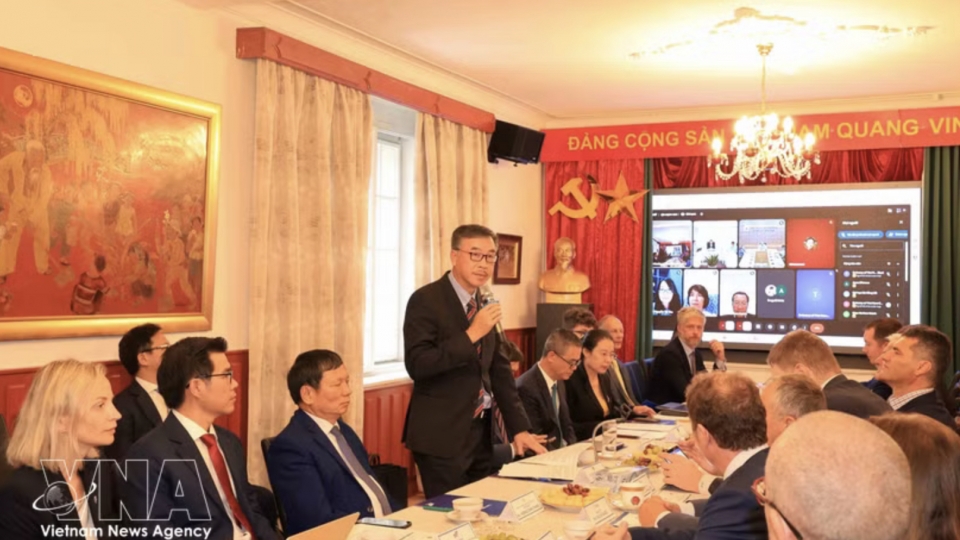
Vietnam, Czech Republic expand cooperation in education, science, technology
The second Vietnam–Czech Republic roundtable on higher education, science, technology and innovation was held in Prague on September 9, bringing together representatives of agencies, universities, research institutes and businesses from both countries.


